
Insights
Brand Identity Explained: Core Definition, Components, and Strategic Value
On Digitals
31/12/2025
49
In a crowded marketplace with endless choices, brand identity is essential to help businesses stand out and stay memorable. Strong brands are recognized not by chance, but through consistent visuals, clear messaging, and authentic communication across every touchpoint.
Brand identity goes beyond logos or websites, combining visual elements, verbal tone, and core values into one cohesive system. Understanding brand identity helps businesses build recognition, trust, and long-term value in the minds of customers.
What is brand identity?
Before diving into specifics, let’s establish a clear foundation. Understanding what is a brand identity requires looking beyond surface-level design elements to grasp the strategic thinking that underpins successful brands.
The precise definition
Brand identity is the comprehensive collection of visual, verbal, and value-based elements that a brand deliberately creates and controls to express its unique character to the public. It represents everything your brand puts forward—from the colors and typography you use to the language you speak and the principles you stand for.
Think of it this way:
- Brand visual identity is your brand’s face.
- The verbal and value elements form its personality and soul.
Together, these components create a complete picture of who you are as a brand. This is the identity you craft intentionally, the version of your brand you want the world to see and experience.

Brand identity defines the visual, verbal, and value-driven expression of who a brand is
A strong brand identity answers critical questions:
- What do we stand for? (Core Values)
- How do we want to be perceived? (Desired Image)
- What makes us different? (Competitive Advantage)
- What emotional response do we want to evoke? (Customer Impact)
When executed well, it creates instant recognition and builds a solid bridge between your business objectives and customer expectations.
Differentiating brand identity from branding and brand image
Many people use these terms interchangeably, but they represent distinct concepts in marketing. Understanding the differences helps you approach each aspect strategically.
| Aspect | Brand identity | Branding | Brand image |
| Definition | Brand identity is what a company deliberately creates and controls to represent itself in the market. | Branding is the ongoing process of building and strengthening a brand over time. | Brand image is how customers actually perceive and feel about a brand. |
| Scope | Focuses on strategic design and structure of the brand. | Covers all activities that establish the brand in the marketplace. | Reflects audience perceptions formed through experience. |
| Key elements | Includes the brand identity package such as logo, color palette, messaging guidelines, and visual standards defined in corporate brand identity guidelines. | Includes marketing, customer experience, product development, and reputation management. | Shaped by advertising, customer service, product quality, and word of mouth. |
| Level of control | High control, fully determined by the business. | Partial control, influenced by execution and market response. | Low direct control, exists in the minds of customers. |
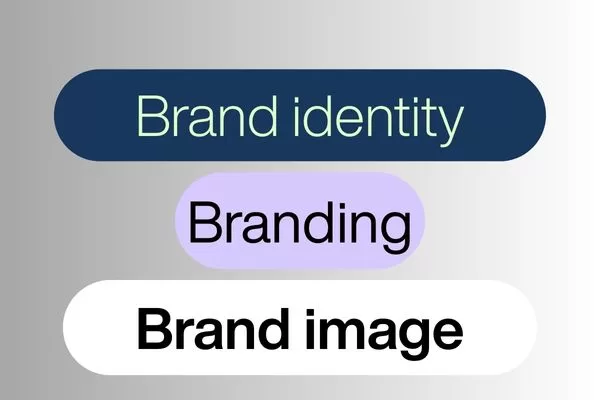
Brand identity, branding, and brand image differ by creation, execution, and perception
The relationship works like this:
- You create your brand identity (what you say you are),
- You execute your branding strategy (how you communicate and deliver),
- And together these shape your brand image (what people believe you are).
The goal is alignment—when identity and image match, you’ve achieved authentic brand resonance.
The core components of brand identity
A comprehensive brand identity system comprises multiple interconnected elements that work together to create a cohesive brand experience. Let’s explore each layer in detail to understand how they contribute to the whole.
Visual identity elements
Your brand visual identity forms the most immediately recognizable aspect of your brand. These tangible design elements create the first impression and serve as visual shortcuts that trigger brand recognition and emotional responses.
| Brand Identity Element | Description | Key Details & Purpose |
| Logo and logo system | The logo is the primary visual symbol of a brand, representing its core essence in a memorable mark. | A complete logo system includes a primary logo, simplified versions, horizontal and vertical layouts, and monochrome options. This structure ensures flexibility and consistency across all platforms as part of the brand identity package. |
| Brand colors (color palette) | Brand colors shape emotional and psychological perception before any message is read. | The palette defines primary and secondary colors along with clear usage rules. Consistent color application strengthens recognition and is a critical part of the brand identity components. |
| Typography (fonts) | Typography gives the brand its written voice and personality. | Fonts for logos are carefully selected and paired with type families for headlines, body text, and special use cases. Consistent typography ensures clarity, cohesion, and a strong brand personality across all touchpoints within the brand identity package.. |
| Imagery and visual style | Visual style defines the overall aesthetic beyond individual design elements. | Includes photography style, illustrations, iconography, patterns, and graphic treatments. A cohesive visual approach helps audiences instantly recognize the brand, reinforcing key brand identity components. |

Visual identity elements create instant recognition and shape how a brand is perceived
Verbal elements and core values
While visual elements catch the eye, verbal and value-based components capture hearts and minds. These elements define what your brand stands for and how it communicates.
Core values, mission, and brand personality
These form the strategic and emotional foundation of your corporate brand identity:
- Core values: Represent the principles you won’t compromise—the beliefs that guide decision-making and behavior.
- Mission: Articulates your purpose—why you exist beyond making profit.
- Brand personality: Gives your brand human characteristics: Are you authoritative or approachable? Innovative or traditional? Playful or serious? These attributes inform every communication and experience you create.
Brand personality gives a brand its human character
Tone of voice
Tone of voice translates personality into consistent language. It’s how your brand sounds in writing and speech.
- Example: A tech startup targeting young entrepreneurs might use casual, energetic language with occasional humor. A financial institution serving corporate clients would likely adopt a more professional, confident tone.
- Your brand identity system should document tone of voice with specific examples: word choices to embrace and avoid, sentence structure preferences, and guidance for different situations (e.g., celebratory announcements versus addressing problems).
- Consistency in tone builds familiarity and trust—customers should recognize your brand by how you speak, not just what you say.
System and application (brand touchpoints)
Having strong brand identity components means nothing without proper implementation. This is where strategy meets reality through systematic application.
- Brand Guidelines (The Rulebook): A comprehensive document (brand book or style guide) that captures every rule for your brand identity package (logo usage, colors, fonts, tone of voice). It ensures consistency across all internal and external parties as the organization grows.
- Real-World Applications (Customer Touchpoints): Demonstrating your cohesive identity across every single point where customers interact with your brand (website, social media, product packaging, stationery, presentations, etc.). Every touchpoint must reinforce the same identity.

Brand identity succeeds through consistent implementation
The table below illustrates how brand identity elements translate across different touchpoints:
| Touchpoint | Visual Application | Verbal Application | Experience Goal |
| Website | Logo placement, color scheme, typography, imagery style | Headlines, body copy, CTAs using brand tone | First impression, information access, conversion |
| Social Media | Profile images, cover photos, post graphics consistent with brand colors | Captions, responses reflecting brand personality | Community building, engagement, brand awareness |
| Packaging | Logo integration, color palette on packaging materials, consistent design patterns | Product descriptions, brand story, instructions matching tone | Product differentiation, unboxing experience |
| Customer Service | Email templates with brand visuals, consistent formatting | Response templates using brand tone, empathetic and consistent language | Trust building, problem resolution, relationship deepening |
| Physical Spaces | Signage, interior design reflecting brand colors and style | Messaging, wayfinding using brand voice | Immersive brand experience, memorable interaction |

Brand identity becomes effective when applied consistently across all touchpoints
Strategic benefits of a strong brand identity
Investing in a comprehensive brand identity system delivers tangible business advantages that compound over time. Let’s examine the specific ways a strong identity drives measurable results.
Building trust and loyalty
Consistency breeds familiarity, and familiarity builds trust.
- When customers encounter the same brand visual identity, messaging approach, and quality standards across every interaction, they develop confidence in your reliability.
- A scattered, inconsistent presentation signals disorganization or lack of professionalism, making customers question whether you can deliver on promises.
Trust forms the foundation of customer loyalty. People return to brands they trust, recommend them to others, and forgive occasional missteps because they believe in the relationship. Your corporate brand identity becomes a promise—when you consistently keep that promise through aligned experiences, you transform one-time buyers into lifelong advocates. This loyalty translates directly to higher customer lifetime value and more cost-effective growth through referrals.
Consistent brand identity builds trust that leads to long-term customer loyalty
Creating differentiation and memorability
In crowded markets, differentiation isn’t optional. A distinctive brand identity helps you claim unique mental territory, giving customers a reason to choose you over functionally similar alternatives. When your visual identity, personality, and values combine into something genuinely unique, you become memorable in a sea of sameness.
Consider how brand identity components work together to create distinction:
- Your color palette might evoke emotions competitors don’t address.
- Your tone of voice might be more accessible or more aspirational.
- Your visual style might feel more innovative or more trustworthy.
These differences, consistently applied, help you own a specific position in customer minds. Memorability drives unaided awareness—the valuable moment when someone needs what you offer and thinks of you first, without prompting.
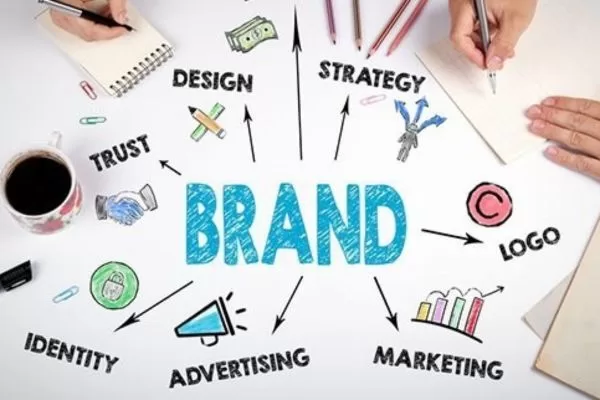
Distinctive brand identity creates differentiation and makes a brand memorable
Increasing brand value (brand equity) and business effectiveness
Strong brand identity builds Brand Equity—the premium value your brand name adds beyond your actual product or service.
Companies with powerful Brand Equity can command higher prices because customers perceive greater value in the brand itself. Think about how much more people willingly pay for branded products compared to generic alternatives offering similar functionality.
This equity creates business leverage across multiple dimensions:
- Marketing becomes more efficient: Because strong brand recognition makes advertising and content more effective.
- Recruitment improves: Because top talent wants to work for companies with strong reputations.
- Partnerships become easier to secure: Because other businesses want to associate with respected brands.
- Crisis management is buffered: Established Brand Equity provides a buffer, giving you more goodwill to draw upon.

Strong brand identity increases brand equity and overall business effectiveness
Long-term, maintaining a consistent brand identity package reduces costs compared to constantly reinventing your presentation. Once established, your identity provides a stable framework that guides creative execution efficiently, eliminating debates about direction and reducing production timelines.
Strong brand identity examples in Vietnam
Looking at successful Vietnamese brands reveals how strategic brand identity drives real business results in competitive markets. These examples demonstrate different approaches while illustrating universal principles.
Vinamilk
Vinamilk has cultivated a corporate brand identity deeply rooted in trust, freshness, and national pride.
- Their brand visual identity (color palette of blue and white) evokes purity and reliability, while their imagery consistently features pastoral scenes, happy families, and fresh dairy products. This positions them as the wholesome, dependable choice for Vietnamese families.
- Beyond visuals, Vinamilk’s brand personality emphasizes caring, quality, and community connection. They’ve built their identity around being Vietnam’s dairy company—not just selling products but nurturing the nation’s health.
- Their messaging consistently reinforces this positioning through educational content about nutrition, community investment initiatives, and sponsorship of national events.

Vinamilk builds trust through a strong, value-driven brand identity
Vinamilk demonstrates how brand identity can align with cultural values to build deep emotional connections. By anchoring their identity in quality, family, and national pride, they’ve created a brand that feels like part of Vietnam’s fabric rather than just another dairy company. Their consistency across decades has transformed their name into a synonym for milk products in Vietnamese consumer minds—the ultimate brand achievement.
Tiki
Tiki exemplifies modern digital-first brand identity.
- Their bright blue color and friendly, geometric logo communicate approachability and technology simultaneously. The simplified visual style works perfectly across digital interfaces while their brand personality radiates enthusiasm, speed, and customer obsession.
- Tiki’s verbal identity matches their visual approach—energetic, straightforward language that respects customer time and intelligence. Their tone balances professionalism with warmth, using clear, benefit-focused messaging rather than corporate jargon.
- This brand identity package was purpose-built for e-commerce, where every pixel matters and speed defines success.
Their brand identity system extends seamlessly across their app, website, packaging, delivery fleet, and marketing campaigns. The blue is unmistakable, the friendly tone consistent, and the promise of convenient shopping delivered reliably. Even their mascot and promotional campaigns maintain tight alignment with core brand identity components.
Tiki builds strong recognition with a digital-first brand identity
Tiki shows how brand identity components can be optimized for specific channels and customer behaviors. Their identity wasn’t adapted from traditional retail—it was conceived for digital interaction from the ground up. By maintaining rigorous consistency while optimizing for their primary touchpoints, they’ve built formidable brand recognition in a relatively short time.
Their focus on customer experience as a core identity element, not just a service feature, demonstrates how values translate into tangible differentiation.
Common brand identity mistakes to avoid
Understanding what is brand identity includes recognizing frequent pitfalls that undermine effectiveness. Avoiding these mistakes protects your investment and accelerates results.
Confusing brand identity with ‘just a logo’
Perhaps the most common misunderstanding treats brand identity as a one-time logo design project. Businesses invest in a nice logo, then wonder why it doesn’t deliver expected results.
The problem lies in incompleteness—a logo without supporting brand identity components can’t carry the full weight of brand building.
- A complete brand identity package requires strategic foundation work: defining your positioning, articulating values, understanding target audiences, and establishing personality.
- Only then can visual and verbal elements authentically express your brand essence.
- Without this strategic layer, you end up with disconnected design elements rather than a coherent identity system.
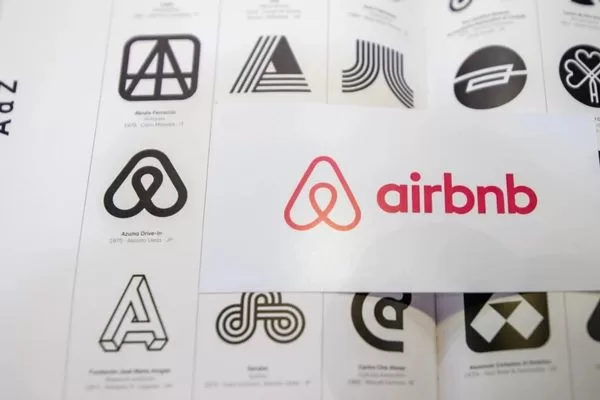
Brand identity fails when treated as just a logo instead of a complete system
The fix requires shifting perspective from “we need a logo” to “we need to define and express who we are as a brand.” This means developing comprehensive guidelines covering all identity aspects, not just visual basics.
Lack of consistency (inconsistency)
Inconsistency destroys brand identity effectiveness faster than almost any other mistake.
- When your website uses different colors than your social media, when your customer service emails sound nothing like your marketing messages, when packaging contradicts your advertised values—you create confusion instead of clarity.
- Every inconsistent experience forces customers to expend mental energy reconciling differences, weakening the clear, memorable impression you’re trying to create. Instead of building cumulative recognition, each variation starts from zero.
- Your corporate brand identity investment essentially multiplies by the number of inconsistent versions you’re maintaining.
This problem often stems from poor governance: no central brand guidelines, insufficient training, or lack of accountability.

Inconsistency weakens brand identity by creating confusion instead of recognition
The solution requires commitment to consistency as a strategic priority, not just an aesthetic preference.
- Develop comprehensive brand guidelines and actually use them.
- Create accessible templates and resources that make consistency easy.
- Assign brand stewardship responsibility.
- Audit your touchpoints regularly and update everything simultaneously when you make intentional changes.
Remember that every inconsistent application is an opportunity cost—a moment where you could have reinforced your identity but instead created noise.
FAQs – Frequently asked questions about brand identity
Let’s address common questions that arise when businesses explore brand identity development and implementation.
What is the fundamental purpose of brand identity?
Brand identity defines how a brand communicates its personality, values, and positioning in a clear and consistent way. It guides internal decisions while helping customers understand who you are, what you stand for, and why they should choose you. Through brand identity, every touchpoint such as websites, social media, packaging, or customer service delivers the same coherent and memorable message.
Brand identity communicates a brand clearly and consistently
What is the difference between brand identity and brand image?
Brand identity is what a business intentionally creates and controls, including its brand visual identity, messaging, values, and overall presentation. Brand image reflects how customers actually perceive the brand, shaped by every interaction and experience.
While a strong brand identity package can influence perception, alignment between brand identity and brand image ultimately depends on consistent, high-quality execution across all touchpoints.
Does a small business need a full brand identity package?
Even small businesses should define core brand identity components early to ensure consistency and build trust. A simple brand identity system guides communication and avoids confusion, while the brand identity package can evolve and expand as the business grows.
Conclusion: Brand identity – The foundation for long-term value
Brand identity is not just about visuals or marketing style but a strategic foundation that shapes how customers perceive, remember, and connect with a business. It combines visual elements, verbal expression, and core values into a cohesive system, where strategy, consistency, and completeness work together to create meaningful and recognizable brand experiences.
Strong brand identity functions as a long-term asset that supports growth, adaptation, and competitive strength over time. Businesses that invest in a clear, consistent brand identity build trust faster, communicate value more effectively, and create lasting impact, making brand identity one of the most valuable investments for both new and established organizations.
Visit On Digitals today to access the latest industry insights, trends, and news from our expert team. Looking for a partner to transform your business? At On Digitals, we specialize in delivering strategic digital services tailored to your goals. Explore our full range of solutions and let’s discuss how we can build your success story together.
Suggested Posts:
Read more