
Insights
Brand Identity Vs Brand Image – 5 Ways To Tell Them Apart
On Digitals
22/01/2026
25
Brand identity vs brand image defines how a brand presents itself versus how it is actually perceived by the audience. Understanding this difference helps businesses build consistency, trust, and long-term value in competitive markets.
Let’s explore how these two concepts work together and where they truly diverge.
A clear breakdown of brand identity and brand image
Defining brand identity vs brand image explores the fundamental difference between how a brand defines itself and how it is perceived by its audience. Understanding both concepts is essential for building a consistent, credible, and competitive brand in today’s market.
Brand identity
Brand identity refers to the intentional and strategic elements a company uses to present itself to its audience. It includes visual components such as logos, colors, typography, and taglines, along with deeper aspects like mission, values, and brand voice. These elements are carefully designed and controlled by the brand to ensure consistency across all touchpoints. In essence, brand identity represents how a company wants to be seen and remembered.
Brand image
Brand images reflect how consumers actually perceive a brand based on their experiences and interactions. It is shaped by customer opinions, word of mouth, media coverage, and overall public sentiment. Unlike brand identity, brand image is not fully controlled by the company and can change over time. This perception ultimately determines the brand’s reputation, credibility, and emotional connection with its audience.
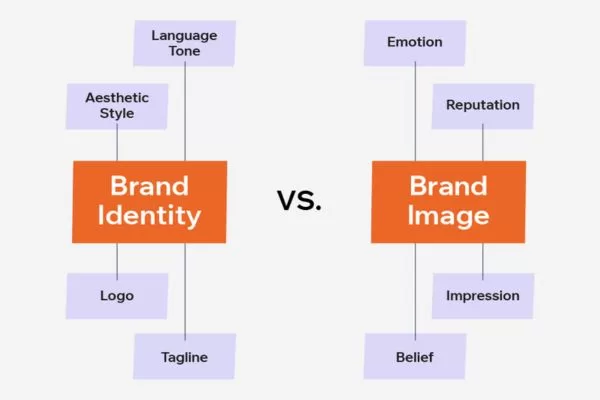
How internal branding contrasts external audience perception
Understanding core brand identity vs brand image diffencences
To highlight the contrast, let’s compare the defining characteristics of brand image vs brand identity below:
Creation
Creation highlights the contrast between what a brand intentionally builds and what audiences naturally perceive over time. This difference explains why control and interpretation play distinct roles in shaping a brand’s presence.
- Brand identity is purposefully developed by the company through strategic planning, as seen in brand identity vs brand image examples like Apple’s design and Nike’s messaging. Clear branding guidelines help maintain consistency across visual elements, communication style, and overall messaging.
- Brand image emerges naturally in the minds of consumers through repeated interactions. It is shaped by experiences with products, services, customer support, and marketing touchpoints rather than direct control.
Nature
Nature reflects how brand identity vs brand image differ in stability and control, shaping the way a brand is built versus how it is experienced. Understanding this contrast helps businesses manage consistency while adapting to audience perceptions.
- Brand identity is stable, deliberate, and strategically designed by the company, illustrating clearly the difference between brand identity vs image in practice. It is carefully shaped through visual systems, brand voice, and long-term positioning decisions to ensure consistency across all channels.
- Brand image is flexible and constantly evolving over time. It develops through real customer experiences, market changes, public opinion, and external influences beyond the brand’s direct control.
Control
Control defines how much influence a company has over what it presents versus what people actually believe. Recognizing this difference helps brands manage expectations while guiding perception.
- Brand identity remains fully under the company’s direction and authority. Organizations intentionally shape it through visual assets, brand voice, and core messaging decisions.
- Brand image is influenced but never fully owned by the brand. Although marketing efforts and customer experience can guide perception, the final image exists in the minds of consumers.
Components
Components describe the elements that form a brand’s foundation and the perceptions that grow from it. Understanding these parts clarifies the difference between what is built internally and what is felt externally.
- Brand identity consists of both visible and strategic elements created by the company. These include logos, color palettes, slogans, and messaging style, as well as core values and mission statements that guide brand behavior.
- Brand image exists on an emotional and perceptual level rather than a physical one. It is shaped by customer opinions, shared experiences, word-of-mouth, and the feelings people associate with the brand.
Measurement
Measurement focused on brand identity vs brand image, showing how brands evaluate what they project versus how they are perceived by their audience. Using the right metrics helps companies identify gaps between intention and reality.
- Brand identity is assessed by reviewing consistency across all brand touchpoints. This includes audits of visual elements, messaging alignment, and tone of voice used in communication.
- Brand image is evaluated through audience-driven data and feedback, helping companies analyze brand image vs brand identity alignment. Tools such as customer surveys, social media sentiment analysis, and online reviews reveal how the brand is truly perceived.

Key contrasts reveal how strategy and perception function differently
Brand identity vs brand image: A clear side-by-side comparison
The table below highlights the essential distinctions between brand identity vs brand image. It provides a clear, side-by-side comparison to help businesses understand how internal brand strategy differs from external brand perception.
| Aspect | Brand identity | Brand image |
| Definition | How a brand intentionally communicates itself through visual, verbal, and strategic elements | How the brand is perceived, interpreted, and remembered by the public. |
| Orgin | Deliberately developed and managed by the company. | Formed through consumer experiences, opinions, and interactions. |
| Components | Logos, color systems, typography, tone of voice, messaging, and core values. | Customer impressions, brand reputation, emotional responses, and cultural influence. |
| Examples | Apple’s clean aesthetic, Nike’s iconic “Just Do It” positioning. | Apple as a premium innovator, Nike as a symbol of motivation and performance. |
| Focus | Presenting the brand’s personality, purpose, and values strategically. | Shaping emotional and psychological connections with the audience. |
| Control | Fully designed and directed by the organization. | Influenced by brand actions but largely shaped by external audiences. |
| Objective | To create a distinctive, consistent, and recognizable brand presence. | To foster trust, loyalty, and positive emotional engagement. |
| Measurement | Evaluated through consistency audits across channels and touchpoints. | Assessed via surveys, sentiment analysis, and perception research. |
| Impact | Strengthens the overall presence of the brand across all platforms while maintaining a unified and coherent message to the audience | Drives customer loyalty, advocacy, and purchase behavior. |
This comparison highlights strategic intent against real-world perception
The close relationship between brand identity vs brand image
Although brand identity vs brand image serve different purposes, they remain closely interconnected in shaping how a company is perceived. Brand identity defines how a business presents itself, while brand image vs identity reflects how those messages are interpreted through real customer experiences. When the two are aligned, brands build credibility, emotional trust, and lasting loyalty.
Apple offers a clear illustration of this relationship in action. The company intentionally positions itself around simplicity, innovation, and ease of use, expressed through refined product design, seamless interfaces, and the consistent “Think different” narrative. As a result, audience perception mirrors these values, enabling Apple to maintain strong loyalty and premium pricing power.
In contrast, a disconnect between intention and perception can harm reputation. Pepsi’s Kendall Jenner campaign aimed to communicate unity and social awareness, yet the public response viewed it as tone-deaf and insensitive. This mismatch between projected values and audience reaction triggered backlash, highlighting the risks of misalignment.
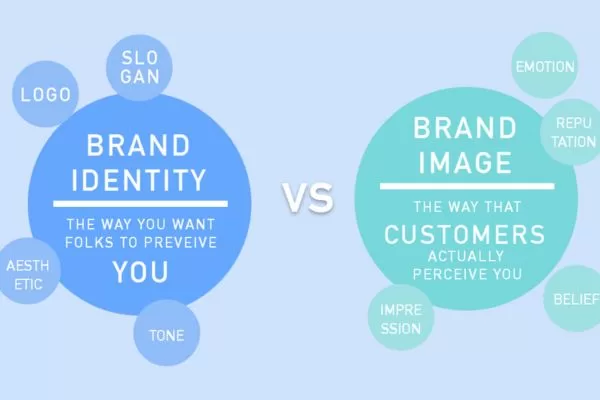
These concepts interact closely to shape trust and credibility
Why does this distinction between brand identity vs brand image truly matter?
Recognizing the difference between brand identity vs brand image is essential for companies seeking to build a credible, consistent, and positive brand presence. This awareness helps businesses align internal strategy with external perception, reduce communication gaps, and strengthen long-term trust. Here’s why this difference plays such an important role in brand success:
Consistent messaging
When a brand’s identity is well established and applied with consistency, it reinforces how the brand is perceived by its audience. Coca – Cola is a strong example, having preserved a unified identity across generations, which has helped build a widely recognized and favorable global reputation.
Enhanced customer trust
A clearly articulated brand identity vs brand image defines a company’s purpose and core beliefs. When those messages are delivered with consistency, audiences gain confidence in the brand’s commitments and direction. As a result, businesses with a strong identity and a positive public perception are often seen as more genuine and reliable.
Improved customer loyalty
A favorable brand image motivates customers to return and remain loyal over time. Disney, for example, builds on its family-oriented identity by delivering consistent stories, memorable experiences, and cohesive interactions across every touchpoint. Because this perception matches what audiences expect, consumers continue to engage with and support the brand.
Crisis management
During times of crisis, a well-defined brand identity can provide stability and guidance for reputation management. Facebook’s data privacy controversy, for instance, negatively affected public perception of the brand. Although its core positioning around “connecting people” stayed unchanged, the company needed to respond with strong public relations initiatives and improved security measures to rebuild trust.
Strategic brand positioning
Companies that clearly distinguish brand identity vs brand image gain a stronger advantage in market positioning. Luxury labels such as Louis Vuitton deliberately design an exclusive identity to support premium pricing while delivering experiences that reinforce this high-end perception.
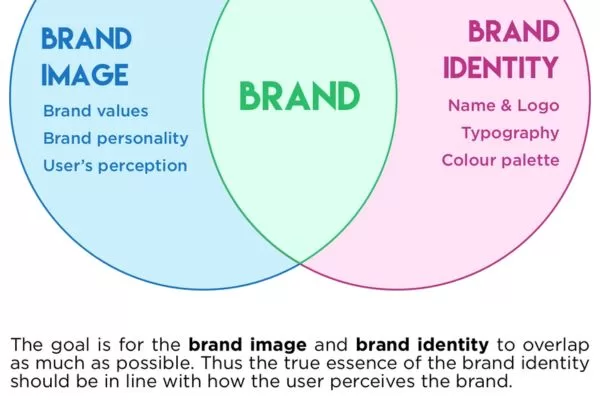
Understanding the gap helps brands strengthen alignment and trust
Actionable ways to align brand identity with brand image
To close the gap between how a brand is defined and how it is perceived, organizations can apply the following practical approaches:
Evaluate brand consistency
Review how effectively the brand identity vs brand image appears across all platforms and touchpoints. Check whether visual elements, language, and messaging align with established brand standards.
Track audience sentiment
Gather insights through customer surveys, social listening tools, and online reviews. These sources reveal how audiences feel about the brand and highlight perception gaps.
Strengthen intentional branding
Focus on storytelling, meaningful experiences, and value-driven content that reflects the brand identity vs brand image. Sharing real customer stories or behind-the-scenes moments can build authenticity and emotional connection.
Respond to difficult issues transparently
When issues arise, communicate openly and explain the actions being taken to address them. Clear, timely responses help preserve trust and protect brand credibility.
Refresh and reinforce the brand standards
Ensure brand identity vs brand image guidelines remain relevant, detailed, and easy to follow. Provide regular training for employees and partners to maintain consistency across marketing, customer interactions, and product development.
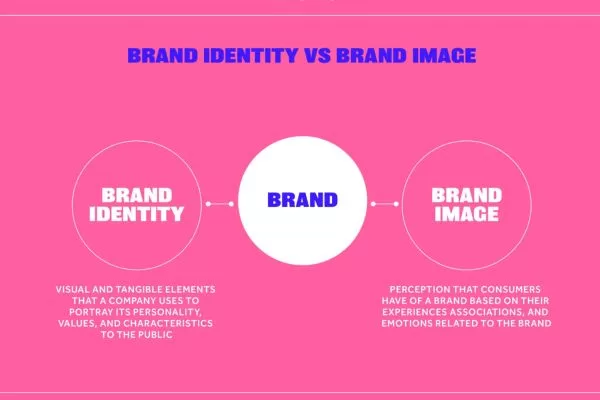
Practical steps help close gaps between strategy and perception
Conclusion
Grasping and aligning brand identity vs brand image is essential for businesses seeking to build credibility, loyalty, and meaningful customer connections. When companies clearly define who they are and consistently reflect those values through their actions, they shape a strong and favorable perception in the market. Let’s build a brand that stands out and grows sustainably with On Digitals today!
Read more