
Insights
How To Use Social Media for SEO – 4 Tips For Better Visibility
On Digitals
19/03/2026
10
How to use social media for SEO often becomes a common question for marketers and website owners. Social platforms can help share content and increase audience engagement. Let’s explore practical ways to connect social media activity with stronger search performance!
How social media activity relates to search engine optimization
Social media and SEO are closely connected in digital marketing strategies. Understanding this relationship can help improve content reach, engagement, and overall online visibility.
The influence of social signals on Google search rankings
Social engagement often increases at the same time search rankings improve. This pattern leads many teams to believe that likes, shares, and comments directly influence ranking positions. However, Google has clarified that raw social metrics are not treated as core ranking factors in its algorithms.
How to use social media for SEO is often misunderstood because the relationship is based on correlation rather than direct ranking signals. Content that gains strong social attention usually attracts more backlinks and references from blogs or news websites. These links, rather than social interactions themselves, are what typically contribute to improved search rankings.
Social signals SEO and the power of brand discoverability
When people see your content shared by trusted voices, that social proof can encourage stronger engagement and link opportunities. This process reflects the real impact behind what many marketers call social signals in SEO. For example, companies such as HubSpot frequently share short marketing insights and research highlights on LinkedIn and YouTube. These posts often attract discussions, shares, and references from blogs that later link back to their original resources.
A strong social presence can also increase branded search activity. As content gains attention on social platforms, users may later search for the brand or related topics on search engines. Each platform can therefore act as a discovery channel where audiences first encounter content before looking for it again through search.
The indirect impact of social media on search performance
Social channels work as strong distribution platforms that expand the reach of your content. In many strategies, how to use social media for SEO focuses on placing valuable content in front of journalists, bloggers, and industry partners. When a study or article gains attention on platforms like X or LinkedIn, niche publishers may later reference and link to it.
These campaigns can also bring qualified referral traffic to your website. Consistent traffic and engagement signals help search engines recognize that the content provides value to users. Over time, this visibility may increase the chances of attracting links and improving overall search performance.
Realistic outcomes of social media in SEO strategies
Social activity rarely moves a page from position 40 to the top results overnight. However, it can help new content gain visibility faster and attract valuable backlinks. A practical goal is to secure several quality links and targeted visits from social promotion during the first month after publishing.
Teams should track metrics such as branded queries, referral traffic from platforms like LinkedIn or X, and assisted conversions. In many strategies, how to use social media for SEO becomes clearer when these metrics are analyzed over longer periods. This long-term view helps stakeholders understand that consistent promotion and optimization deliver stronger results than short-term tactics.
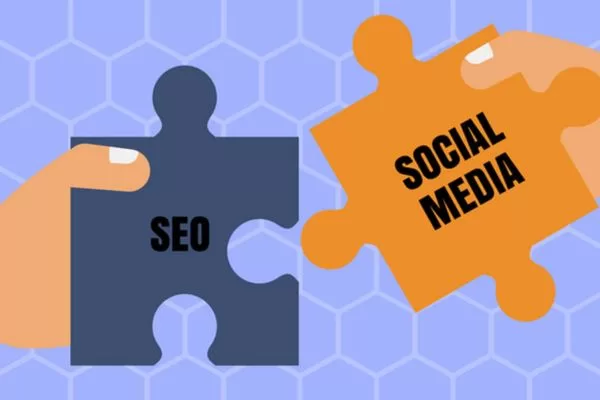
How social media interactions connect to SEO results
Advantages of social media in SEO strategies
Although social signals are not direct ranking factors, social media can still support many SEO goals. Industry data shows that more than 70% of marketers use social media to increase brand visibility. It helps expand content reach, build brand authority, and attract audiences who may later discover your content through search.
Boosting brand exposure on social channels
Social media platforms have become major discovery channels for online content. Knowing how to use social media for SEO helps businesses reach audiences who increasingly search on platforms like TikTok, Instagram, or LinkedIn before turning to traditional search engines. Optimizing posts, captions, and profiles for these environments allows brands to meet users where they naturally explore information, expanding the chances of being found across multiple search ecosystems.
Increase traffic through higher click engagement
Social media expands the reach of your content and introduces it to audiences who may not discover it through search alone, which highlights the value of off page seo social media in modern digital marketing. Rather than relying only on algorithm signals, social distribution helps generate clicks, views, and referral traffic that bring visitors directly to your site. Treating social promotion as an extension of search marketing supports a more balanced strategy where content visibility grows through multiple channels.
Building a stronger brand footprint across platforms
A strong social presence helps people become familiar with your brand across different platforms. When marketers understand how to use social media for SEO, they can turn social engagement into long-term brand awareness that supports search visibility. Although likes and shares are not ranking factors themselves, consistent interaction signals credibility and can encourage users to remember, trust, and search for your brand later.
Improving indexing and local search presence
Traffic from social media can indirectly support technical SEO processes such as indexing. When users frequently visit your pages through shared links, search engines may discover and store those pages more quickly. In addition, consistent information across social profiles – such as your business name, address, and phone number – helps strengthen NAP consistency, which is important for local SEO performance.

Key benefits of social platforms in search marketing strategies
How to use social media for SEO in a practical way
Applying social media strategies can help expand the reach of your content and attract a wider audience. Understanding practical approaches makes it easier to support visibility and strengthen overall SEO performance.
Design a social-driven content strategy for SEO growth
A social-first approach helps your content reach audiences before they find it through search engines. By planning content for both social platforms and SEO, you can improve visibility and expand your overall reach.
Turn keyword research into social content themes
A strong social-first SEO strategy begins with thorough keyword research and then adapts those insights into content people are likely to share. Marketers can group high-intent keywords from tools like Ahrefs or Semrush into broader topics and related subtopics. These clusters can then be transformed into social-friendly themes that attract attention on platforms such as LinkedIn or TikTok. Social listening tools and native platform search also help validate phrasing and identify trending angles already used by your target audience.
Align search and social with the buyer journey
Search and social channels often work together rather than operating separately, so your strategy should reflect the entire buyer journey. Marketers can map informational, comparison, and transactional intent to different types of social content formats that audiences engage with.
For example, a short TikTok explainer about improving SEO content briefs may introduce the topic to new viewers. These users can then be directed to deeper blog resources or comparisons that support decision-making and demonstrate how to use social media for SEO.
Pick social platforms that drive SEO results
Not every social platform contributes equally to promoting search-focused content. It is more effective to prioritize one to three channels where your audience actively looks for insights or solutions.
For many B2B teams, platforms such as LinkedIn, X (Twitter), and YouTube often support SEO efforts because users expect in-depth and educational content. Brands can also repurpose tutorials or workflows on video platforms and then guide viewers to detailed blog posts or documentation for deeper information.
Create a unified publishing calendar for content strategy
An integrated calendar helps SEO content and social promotion stay aligned instead of operating in separate workflows. Marketers can plan each major SEO asset with supporting social activities before, during, and after publication.
For instance, a blog launch might include teaser posts, launch-day highlights, and follow-up content that shares insights or early results to maintain visibility. Managing these milestones with planning tools also helps teams resurface valuable pages regularly and strengthen long-term visibility through how to use social media for SEO.
Strengthen visibility by optimizing social media profiles
Well-optimized social profiles can help people discover your brand more easily online. Clear descriptions, relevant keywords, and consistent branding improve visibility across both social platforms and search results.
Improve social bios and handles for better search visibility
Social profiles often appear on the first page of branded search results, so they should be optimized like small landing pages. When planning how to use social media for SEO, businesses can include clear brand keywords and value propositions in bios and profile descriptions without overusing them.
Descriptive handles and consistent naming across platforms also help users and search engines connect those profiles to the same brand, which is particularly important when businesses learn how to use social media for local SEO. Keeping logos, messaging, and profile information aligned across networks strengthens overall visibility and recognition.
Write search-optimized captions and titles
Captions and titles help social platforms understand the topic of your content and decide when to surface it in search or recommendations. Placing your main keyword and a compelling hook in the first one or two lines can improve visibility, especially since platforms like Instagram or LinkedIn shorten longer captions.
Clear and descriptive titles make posts easier to discover and communicate the value of the content immediately. A balanced hashtag strategy – combining branded, niche, and broader topical tags – can further improve discoverability without appearing spammy.
Guide users from social media to important SEO pages
How to use social media for SEO often involves building clear and structured pathways from social platforms to your most valuable website content. Optimizing profile links and link-in-bio tools allows brands to highlight cornerstone guides, product pages, or active campaigns.
Prioritizing links to resources such as audits, pillar guides, or case studies helps guide visitors toward high-value information rather than a generic homepage. Regularly updating pinned posts and profile links ensures your social channels consistently support current SEO priorities and campaigns.
Enhance content reach with rich media
Rich media formats such as videos, carousels, and short-form clips can increase engagement and improve content discoverability across platforms. When applying how to use social media for SEO, these formats often generate more interactions that indirectly support visibility and branded searches.
Optimizing media files with descriptive names, on-screen text, and alt text also helps clarify the content topic for both users and platforms. Repurposing strong social videos as embedded clips in blog posts can further improve dwell time and provide richer context for search engines.

Well-optimized social profiles supporting stronger brand discoverability
Boost content distribution and link opportunities on social media
Social media can expand the reach of your content beyond traditional search channels. Greater visibility often increases the chances of attracting attention, shares, and potential backlinks.
Run social campaigns for fresh SEO content
Publishing high-value SEO content alone rarely generates strong visibility or backlinks. A structured social promotion campaign helps extend the reach of important assets such as pillar articles or research reports.
Marketers can schedule multiple posts across platforms – threads, carousels, or short videos – to highlight different insights from the same piece. Coordinating these promotions with indexing and outreach efforts increases the chances that journalists or bloggers will discover and reference the content.
Use social proof to expand content reach
Social proof can increase the perceived authority of your content and encourage others to reference it. Asking followers to share, save, or tag colleagues makes it easier for valuable resources to spread across networks. Highlighting proof points such as user feedback, testimonials, or download milestones also strengthens credibility. These signals can attract more attention, which may lead to mentions, citations, or backlinks to your original SEO content.
Gain backlinks through influencer collaborations
Influencers who publish content on their own websites or newsletters can become valuable backlink sources. Partnering with creators whose audiences match your target topics increases the chances that your content will be referenced and shared. Co-creating resources such as checklists, research insights, or visual assets encourages partners to include links when they discuss the content. These collaborations can expand reach and help demonstrate how to use social media for SEO.
Analyze social-driven traffic and link growth
Tracking is essential to understand which social activities actually contribute to backlinks and website visits. Using UTM parameters on campaign links helps separate traffic from platforms such as LinkedIn, X, or Facebook in analytics tools.
Combining this data with backlink tools like Ahrefs or Semrush reveals which content pieces gain new referring domains after promotion. Regular performance reviews allow teams to focus on the platforms, formats, and campaigns that consistently generate referral traffic and links.
Expanded content distribution and backlink opportunities through social platforms
Build a workflow that combines SEO and social media
Integrating SEO and social media helps teams create content that performs well across multiple channels. A coordinated workflow ensures that promotion and optimization happen alongside content creation.
Coordinate SEO, content, and social team workflows
Successful SEO – social integration depends on clear collaboration between teams and defined responsibilities. Organizations can outline ownership for tasks such as keyword research, content creation, on-page optimization, and social distribution in a shared workflow document.
Structured planning sessions also help teams review upcoming campaigns, keyword opportunities, and trending topics together. This coordinated approach reduces duplicate work and ensures every piece of content is prepared for both search and social promotion.
Develop a structured process from keyword to social promotion
A structured workflow helps move content smoothly from keyword research to social-ready assets. Teams can follow a clear sequence that includes intent research, content briefs, drafting, SEO optimization, and social asset creation.
Preparing a small promotion plan alongside each article ensures the content is ready for distribution across multiple channels. Regular post-publication reviews also help teams analyze performance and update titles, links, or social messaging based on real results.
Organize content production with a centralized platform
Managing briefs, drafts, and social assets across different tools can easily disrupt collaboration. Using a centralized workflow platform such as Asana, Notion, or Monday.com helps teams keep content planning, editing, and approvals in one shared space.
Creating templates for SEO briefs and social post bundles also ensures every campaign follows a consistent structure. This approach makes it easier for teams to coordinate publishing and promotion while applying how to use social media for SEO.
4 simple social media tips to strengthen your SEO
Combining social media with SEO can help extend the reach of your content and attract a broader audience. These quick tips show simple ways to strengthen visibility and support long-term search performance:
Help readers share your content more easily
Making content easy to share increases the chances that readers will distribute it across their networks. Adding visible share buttons or one-click sharing links encourages visitors to promote helpful articles. These small features reduce friction and help your content spread faster.
When planning how to use social media for SEO, simplifying the sharing process can expand content visibility significantly. Some websites use floating share buttons that remain visible while readers scroll through the page. This design allows users to share valuable content instantly without searching for sharing tools.
Find blog and SEO topics through social trends
Social media feeds often reveal trending questions, discussions, and audience concerns. Monitoring these conversations can inspire blog topics, guides, or resources that match current interests. This makes social platforms a valuable source of content inspiration.
Social listening tools help identify recurring keywords and popular themes across platforms. By analyzing these insights, marketers can understand what audiences actively discuss. These signals can then inform future SEO topics and marketing campaigns.
Refine social media posting consistency
Consistency plays an important role in maintaining audience engagement on social platforms. Creating a regular posting schedule helps your content appear more consistently in followers’ feeds. Publishing at optimal times can also improve click-through rates.
Understanding how to use social media for SEO also involves sharing website links strategically. Blog posts can be shared multiple times to reach audiences who missed the initial update. Repurposing older content into new social formats can extend the life of valuable resources.
Grow audience trust through social engagement
Developing relationships on social media encourages users to interact with and share your content. Responding to comments and participating in conversations helps strengthen trust with your audience. These interactions can increase traffic and community engagement.
Collaborating with influencers can further expand content visibility. When trusted creators share your posts, your brand reaches audiences that may not know you yet. This exposure often results in more visits and stronger brand awareness online.
Practical social media tips supporting stronger organic search visibility
How On Digitals helps businesses use social media for SEO
Understanding how to use social media for SEO is an important part of a modern off-page SEO strategy. As an SEO agency, On Digitals helps businesses leverage social platforms to amplify content, attract backlinks, and strengthen brand authority across the web.
- Strategic social promotion for SEO content: Promoting blog posts, research reports, and pillar guides across LinkedIn, X, and YouTube to increase visibility and attract natural backlinks.
- Social media profile optimization: Optimizing social bios, descriptions, and links so profiles support brand visibility and direct users toward key SEO pages.
- Influencer collaborations for link and brand amplification: Partnering with creators and industry experts who can share and reference SEO content with their audiences.
- Social engagement to strengthen brand authority: Encouraging conversations, shares, and comments that increase brand awareness and help content circulate among relevant communities.
- Tracking social-driven referral traffic and backlinks: Monitoring referral traffic, engagement signals, and new referring domains generated from social campaigns.
Through a structured and data-driven approach, On Digitals has helped businesses integrate social media into their SEO strategies to expand content reach and improve online visibility. Our campaigns focus on promoting high-value content, encouraging engagement, and amplifying brand presence across multiple platforms. By combining expertise in SEO services, content marketing, and social strategy, On Digitals supports sustainable growth in organic search performance.
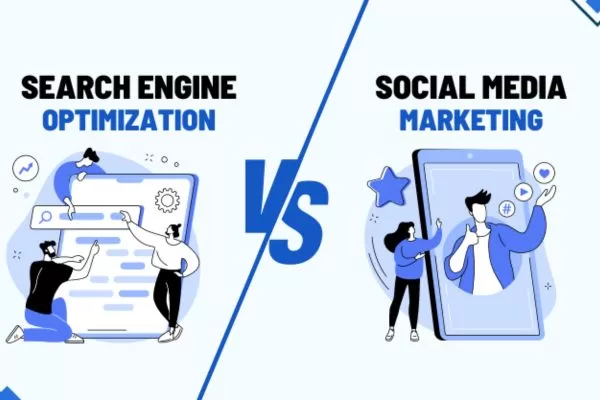
Professional agency support integrating social media with search strategy
Key FAQs on social media and SEO strategy
Many marketers want to understand how social media can contribute to stronger search visibility. The following FAQs explain practical ways social platforms can support SEO strategies:
Does social media influence Google ranking factors?
Social media signals are not considered direct ranking factors by most search engines. However, strong engagement can increase the visibility of your content and bring more visitors to your website. Understanding how to use social media for SEO allows marketers to amplify reach, which may indirectly lead to more backlinks and stronger brand awareness.
Which social networks work best for SEO visibility?
The most suitable platforms depend on your target audience and the type of content you produce. LinkedIn, YouTube, and X (Twitter) are often effective for distributing educational or industry-focused content. Visual platforms like Instagram or TikTok can also generate awareness and guide users toward deeper website resources.
Can social platforms increase backlink opportunities?
Social media increases the exposure of your content, which helps more people discover it. When valuable resources circulate across platforms, bloggers and journalists may reference them in their own articles. Learning how to use social media for SEO can therefore help amplify high-quality content that naturally attracts backlinks.
How often should blog posts be promoted on social platforms?
Posting consistently helps maintain visibility and engagement with your audience. Many marketers share new blog articles multiple times using different formats such as threads, carousels, or short videos. Repurposing older content can also help reach new audiences who may have missed the original post.
Which types of social posts help seo performance?
Educational and insight-driven content tends to perform well on social media platforms. Examples include tutorials, quick tips, short explainer videos, and carousel guides that link to deeper website resources. Applying how to use social media for SEO effectively means designing social posts that encourage users to explore valuable content on your site.

Common questions about social media and search marketing strategies
Conclusion
How to use social media for SEO can significantly improve content visibility, audience reach, and overall search performance when applied strategically. By aligning social promotion with keyword research, content planning, and consistent publishing, businesses can amplify their SEO efforts across multiple channels. If you want to build a stronger SEO and social media strategy, On Digitals can help you create integrated campaigns that drive sustainable growth.
Read more