
Insights
LinkedIn Personal Branding Content Strategy – 5 Proven Ideas
On Digitals
12/02/2026
39
LinkedIn personal branding content strategy helps you define what to share and why it matters. A clear approach builds credibility, attracts the right audience, and supports long-term career growth. Let’s explore content ideas, posting formats, and positioning tactics that actually work!
What defines a Linkedin personal branding content strategy?
A LinkedIn personal branding content strategy is a structured approach to creating content that reflects your expertise and positioning. It focuses on what you share, how you share it, and the message you consistently reinforce. The goal is to shape how your audience perceives your professional value.
Unlike random posting, this strategy is intentional and goal-driven. Each post supports a clear theme, audience, or long-term objective. Random posts may gain short-term reach, but they rarely build a recognizable personal brand.
A strong content strategy plays a key role in building authority and trust on LinkedIn. Consistent insights signal expertise and reliability over time. When your audience knows what you stand for, credibility grows naturally.

A clear framework shaping how professionals communicate value online
Why LinkedIn personal branding content strategy drives results
LinkedIn has evolved into a platform where visibility is earned through value, not volume or aggressive promotion. Users engage more with content that reflects clear expertise, perspective, and relevance to their professional goals. This is why a clear Linkedin content strategy for personal branding is essential for long-term visibility and credibility. A well-defined personal branding content strategy helps you align with both audience expectations and platform dynamics.
LinkedIn’s algorithm favors content that delivers value
LinkedIn’s algorithm is designed to amplify content that delivers meaningful value to its users. Posts that educate, share practical insights, or encourage thoughtful conversation are more likely to receive sustained distribution. A LinkedIn personal branding content strategy ensures your posts are intentionally built around these value signals.
When your content consistently generates saves, comments, and longer reading time, the algorithm interprets it as high-quality engagement. This leads to broader organic reach beyond your immediate network. Over time, this systematic visibility strengthens your personal brand authority on the platform.
Positioning comes before selling in personal branding
A personal branding content strategy shifts your focus from selling offers to shaping perception. This is the foundation of a strong Linkedin content strategy for branding. Instead of pushing products or services, you communicate your expertise, experience, and point of view through content. This positions you as a trusted professional rather than a salesperson.
When your audience clearly understands what you specialize in, trust develops more naturally. Selling becomes contextual and organic rather than forced or repetitive. Strong positioning makes opportunities come to you instead of requiring constant outreach.
Leads and influence grow through strategy
A LinkedIn personal branding content strategy plays a direct role in long-term career growth. Recruiters, clients, and collaborators often evaluate your expertise through your LinkedIn content before initiating contact. Your posts become a living portfolio that demonstrates your thinking and competence.
Leads and influence increase as familiarity builds over time. People are more likely to engage, recommend, or reach out to individuals they regularly see providing value. Strategic consistency turns attention into tangible professional outcomes.

Clear positioning creates visibility, trust, and long-term professional growth
Foundational content pillars for personal branding
A strong personal brand on LinkedIn is not built on isolated posts or short-term trends. It is developed through consistent themes that reinforce your expertise, values, and professional direction. Well-defined content pillars help you maintain clarity, credibility, and long-term relevance.
Educational content
Educational content forms the foundation of a credible personal brand. It focuses on sharing knowledge that helps your audience understand problems, processes, or opportunities more clearly. This type of content positions you as someone who teaches, not just someone who posts.
Practical insights, structured how-to guides, and clear frameworks tend to perform well on LinkedIn. They encourage saves, shares, and repeat visits to your profile. Over time, this creates compounding authority and visibility. These formats are proven Linkedin personal branding content ideas for building authority.
Experience-based content
Experience-based content transforms real-world work into meaningful takeaways for your audience. By sharing successes, failures, and behind-the-scenes decisions, you add depth to your expertise and perspective. This is where a LinkedIn personal branding content strategy becomes more credible and relatable.
Real cases help your audience see how ideas perform outside of theory. They differentiate your content from generic advice found everywhere online. Lessons learned through experience build trust faster than abstract concepts.
Opinion-led and thought leadership content
Opinion content reveals how you interpret industry trends and challenges. It allows you to take clear positions and explain the reasoning behind them. This helps your audience understand not only what you believe, but why you believe it.
Though leadership grows through consistency, not one viral post. When your opinions are grounded in experience and logic, they attract meaningful discussion, Overtime, your voice becomes recognizable and influential.
Community-driven and interactive conversations
Conversational content is designed to invite participation rather than deliver conclusions. Questions, prompts, and open-ended reflections encourage dialogue and shared perspectives. This is where a LinkedIn personal branding content strategy strengthens connection and ongoing engagement.
Community-driven posts help humanize your personal brand. They make your presence feel approachable, consistent, and responsive. Active conversations create loyalty and long-term influence on LinkedIn.
Defined themes provide structure, clarity, and long-term brand recognition
Mistakes to avoid in LinkedIn personal branding content
Many professionals struggle on LinkedIn not because they lack expertise or experience, but because their content approach lacks clear direction and strategic alignment. When personal branding content is not intentional, even high-quality insights can fail to create impact. Avoiding common mistakes helps your personal brand remain clear, credible, and effective over a longer period of time.
Focus too much on yourself
Talking only about personal achievements, milestones, or wins can quickly disengage an audience that is seeking relevance, not recognition. Posts that focus entirely on your success often feel self-centered and promotional, rather than informative or helpful. A LinkedIn personal branding content strategy should translate your experience into insights that others can learn from and apply.
When your audience cannot clearly see how your story relates to their own challenges or goals, interest gradually fades. Content should consistently bridge personal lessons with broader professional problems or industry realities. Relevance and usefulness matter far more than self-praise or validation.
Over-selling instead of building value
Overly promotional content disrupts trust-building and weakens long-term credibility. Constantly pushing services, products, or offers can make your personal brand feel transactional rather than insight-driven. Most LinkedIn users engage more with content that educates, informs, or challenges their thinking instead of direct sales messages.
Value-first content naturally creates interest and opportunity over time. When you demonstrate expertise through consistent insights, selling becomes contextual and less forced. Strong positioning reduces the need for aggressive or repetitive promotion.
Lack message consistency
Inconsistent messaging confuses your audience and makes it difficult to understand what you truly specialize in. Posting about unrelated topics without a clear theme weakens recognition and brand recall. A LinkedIn personal branding content strategy requires clear content pillars and repeatable messages that reinforce positioning.
Consistency builds familiarity and trust through repeated exposure. When your audience knows what to expect from your content, engagement becomes more intentional and sustained. Clear positioning strengthens long-term influence and authority on LinkedIn.
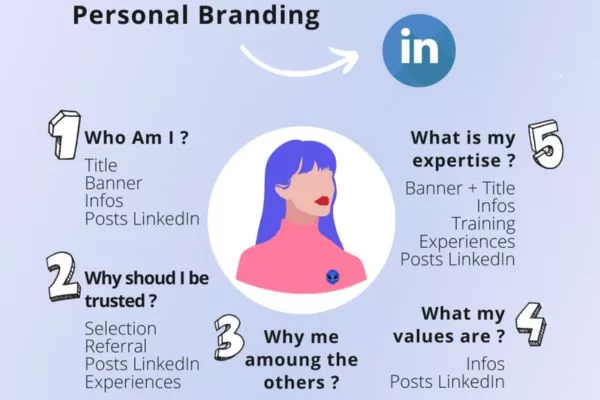
Strategic misalignment often weakens credibility despite strong expertise
6 simple steps to Linkedin personal branding content strategy
Building a strong personal brand on LinkedIn requires more than posting consistently without direction. A well-structured Linkedin content calendar for personal branding helps turn strategy into consistent execution.
Step 1: Set focused goals for LinkedIn success
LinkedIn personal branding content strategy starts with gaining clarity on what success actually looks like for you. Your goals may range from promoting consulting services to supporting a social selling strategy or advancing your career. Clear objectives give your content purpose and direction from the very beginning.
To set effective goals, begin by defining what you want to achieve on LinkedIn, such as generating leads, finding job opportunities, or growing a relevant network. If you have multiple goals, prioritize them so your efforts remain focused and realistic. Finally, quantify your objectives and define your personal brand clearly, ensuring consistent positioning that helps your audience recognize and trust your expertise.
Step 2: Specify your intended audience
Once your goals are clear, the next step is identifying who your LinkedIn content should speak to and why they matter. The most effective content reflects your audience’s interests, questions, challenges, and motivations, rather than your assumptions. The deeper you understand who you want to attract and what problems you can solve for them, the easier it becomes to create content that feels relevant, credible, and valuable.
To create content that truly resonates on LinkedIn, you need a deep understanding of who your audience is and what drives their decisions. A LinkedIn personal branding content strategy starts with identifying the right audience, allowing your content to speak directly to real needs instead of broad assumptions.
- Define roles and professional context: Clearly outline your audience’s job roles, industries, seniority levels, and geographic markets to understand who you are speaking to.
- Identify core pain points and challenges: Pinpoint the key problems they face in their daily work and the barriers preventing them from achieving better results.
- Uncover fears and underlying concerns: Explore the risks, uncertainties, and pressures that influence their decisions and impact their professional confidence.
- Recognize needs, goals, and aspirations: Understand what success looks like for them and what outcomes they are actively working toward in their careers.
- Understand decision-making behavior: If you offer products or services, analyze what drives their choices, including trust factors, priorities, and decision triggers.
Step 3: Structure your LinkedIn content pillars
Once you’ve clearly defined your audience persona, the next step is using it as a guide to shape your content pillars and generate consistent content ideas. Content pillars are the core themes that repeatedly appear in your posts and define what you are known for. These themes should align closely with your audience’s interests, needs, and professional challenges.
Well-defined pillars help your audience immediately associate you with specific topics and areas of expertise. This is where a LinkedIn personal branding content strategy brings structure and clarity to your content direction. When followers see your name in their feed, they should instantly know what type of insights to expect and why your content is worth their attention.
Step 4: Pick topics that showcase your expertise
With clear content pillars in place, the next step is identifying specific topics within each pillar that you can consistently write about. These topics should align with your audience’s interests while allowing you to demonstrate depth of knowledge and real expertise. The goal is to position yourself as a trusted authority by sharing precise, insight-driven content that reflects your unique perspective. This step helps you develop focused Linkedin content ideas for personal branding.
Step 5: Create a LinkedIn content plan
A content plan acts as your GPS on LinkedIn, helping you stay consistent and intentional with what you post. Within a LinkedIn personal branding content strategy, regular posting keeps your profile visible while planning ensures every post delivers value instead of filler. With a structured content calendar, you can align posts with industry trends and events while maintaining steady consistency.
Step 6: Analyze LinkedIn content results
Tracking performance metrics helps you understand how effectively your content strategy is working. At the same time, maintaining an active presence through comments, connections, and direct messages strengthens visibility and relationships. The ultimate goal is to confirm that your content drives consistent profile growth and supports lead generation over time.
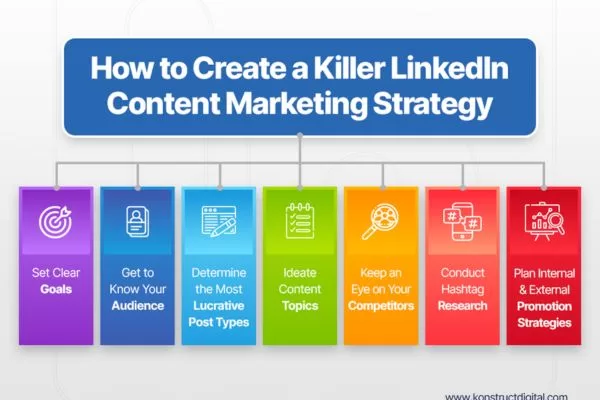
A structured process simplifies execution and improves content consistency
5 LinkedIn content strategies to build a personal branding
Building a strong personal brand on LinkedIn requires more than posting frequently without direction. Well-defined content strategies help you clarify positioning, attract the right audience, and build long-term professional influence.
Expertise-based educational content strategy
A LinkedIn personal branding content strategy should begin with educational content that delivers clear, actionable value to your audience rather than surface-level information. Sharing structured frameworks, step-by-step guides, and practical insights helps demonstrate depth of expertise and professional credibility. Over time, this type of content positions you as a reliable source of knowledge in your field.
When your audience consistently gains useful takeaways from your posts, engagement becomes more intentional and meaningful. Readers are more likely to save, share, and return to your content. This steady interaction strengthens both visibility and authority on LinkedIn.
Case-driven storytelling strategy
Experience-led storytelling turns your real professional journey into content that feels authentic and relatable. By sharing challenges, decisions, mistakes, and outcomes, you help your audience understand how expertise is built in practice. This approach creates emotional connection beyond surface-level advice.
Stories grounded in real experience also differentiate your content from generic industry tips. They show context, nuance, and problem-solving in action. As a result, your personal brand becomes more memorable and trustworthy.
Industry opinion content strategy
A LinkedIn personal branding content strategy becomes more powerful when it includes clear opinions and thoughtful perspectives on industry trends or common misconceptions. Taking a stance shows confidence and encourages your audience to engage with your thinking, not just your information. This positions you as a voice with direction rather than a neutral observer.
Well-supported opinions naturally spark discussion and debate. They attract an audience that aligns with your values and viewpoints. Over time, this consistency helps establish long-term influence.
Interactive audience-focused content strategy
Community-driven content focuses on creating conversations instead of broadcasting messages. Questions, prompts, and interactive posts invite your audience to participate and share their perspectives. This shifts audiences from reading to participating.
Ongoing engagement builds familiarity and strengthens relationships. It also signals relevance to the LinkedIn algorithm through comments and interactions. More importantly, it creates a sense of community around your personal brand.
Long-term positioning strategy
A LinkedIn personal branding content strategy relies heavily on consistent positioning across all content formats and themes. Repeating key topics, messages, and perspectives helps your audience instantly recognize what you stand for. Consistency strengthens credibility and minimizes confusion.
When followers know exactly what type of insights to expect from your content, trust grows naturally. Engagement becomes habitual instead of occasional. Over time, clear positioning supports sustainable growth and professional influence.
Multiple strategic approaches support scalable and sustainable brand growth
FAQs about Linkedin personal branding content strategy
Here are some of the most common questions professionals ask when building a LinkedIn content strategy. These answers help clarify best practices, common challenges, and practical next steps.
What is the purpose of a linkedin personal branding content strategy?
A LinkedIn personal branding content strategy is a structured approach to creating content that reflects your expertise, positioning, and professional goals. It defines what you post, who you speak to, and what message you consistently reinforce. This strategy helps shape how others perceive your value on LinkedIn over time.
How many Linkedin posts per week are enough?
Posting consistently matters more than posting frequently on LinkedIn. For most professionals, 2–4 high-quality posts per week is enough to stay visible and relevant. The key is maintaining a sustainable rhythm that allows you to deliver value consistently.
How does content consistency build personal branding?
A LinkedIn personal branding content strategy relies heavily on consistent themes and messaging. Repetition helps your audience quickly understand what you specialize in. Over time, this clarity builds trust, recognition, and authority.
Which LinkedIn content formats drive the most engagement?
Educational posts, experience-based stories, and opinion-driven content tend to perform best. These formats demonstrate expertise while encouraging engagement and discussion. Mixing value-driven insights with personal perspective keeps your content both credible and relatable.
What is the timeline for Linkedin content strategy results?
Results from a LinkedIn personal branding content strategy usually build gradually rather than instantly. Visibility, trust, and inbound opportunities often appear after several weeks of consistent posting. Long-term impact comes from sustained effort, not viral shortcuts.
Common questions clarify execution, expectations, and strategic direction
Conclusion
LinkedIn personal branding content strategy is not about posting more, but about posting with clarity, consistency, and purpose to build long-term authority. When your goals, audience, content pillars, and measurement are aligned, LinkedIn becomes a powerful channel for career growth, leads, and influence. At On Digitals, we help professionals turn strategy-driven content into a recognizable personal brand that delivers real business and career outcomes.
Read more