
Zalo Ads vs Facebook Ads: Which Platform Should Businesses Choose?
Vincent
16/03/2026
26
Zalo Ads and Facebook Ads is not a simple choice between a cheaper platform and a larger platform. Zalo Ads can suit Vietnam-focused campaigns that depend on Zalo Official Account engagement or direct consultation. Facebook Ads can suit businesses that need more creative testing and flexible audience development. The better choice depends on the customer journey and how your team handles leads after the ad is clicked.
Both platforms can help businesses reach potential customers in Vietnam. However, they create different paths from ad exposure to a qualified sale. A campaign can look successful on paper because it generates many form submissions. It may still underperform if the business cannot contact leads quickly.
Zalo Ads vs Facebook Ads
Zalo Ads is often a stronger option for businesses that sell primarily in Vietnam and want to build communication through Zalo Official Account, forms or one-to-one messages. It can be useful for local services and consultation-led businesses that already have customer phone data they are allowed to use.
Facebook Ads is often a stronger option when a business needs broader discovery and a flexible approach to audience testing. It can work well for companies that want to reach people through Meta placements such as Facebook, Instagram and Messenger.
Neither platform is automatically better. A business should choose based on the job the campaign needs to do.
| Use Zalo Ads first when you need… | Use Facebook Ads first when you need… | Consider both when you need… |
| Vietnam-focused reach | Wider customer discovery | Awareness and direct follow-up |
| Zalo OA growth or messaging | Multiple creative and placement tests | A multi-stage lead journey |
| Form leads or consultation requests | Website traffic or ecommerce activity | First-party lead capture and nurturing |
| Local sales support | Audience expansion through Meta | Consistent reporting across channels |
| Communication through Zalo | International or multi-market reach | Different touchpoints before conversion |
How do Zalo Ads and Facebook Ads work differently?
Both platforms let businesses choose an audience, create ads and monitor performance. The main difference is the environment where the ad appears and the type of journey the platform can support.
Zalo Ads: built around Vietnam-based customer communication
Zalo Ads operates within the Zalo ecosystem and is focused on users in Vietnam. It can support several campaign types, such as Official Account promotion, display and commerce advertising.
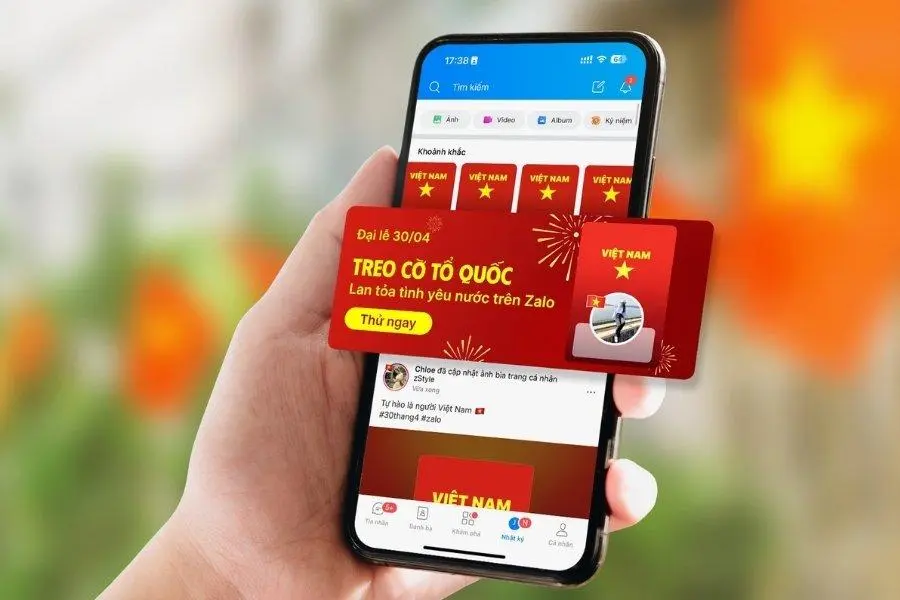
This gives businesses different ways to move someone from an ad into a conversation. A local clinic, for example, may use a form or message campaign to collect consultation requests.
The platform can be especially useful when the sales process depends on fast human follow-up. A customer may see an ad, send a message or follow an Official Account. The business then needs a clear process for responding, qualifying the enquiry and recording the outcome.
That operational step matters. A lead form does not create revenue by itself. The value comes from what happens after the form is submitted.
Facebook Ads: built around objectives, audiences and placements
Facebook Ads sits within Meta’s advertising system. Campaigns are organised around an objective, such as awareness or sales. Advertisers can then choose an audience, budget and placements across Meta’s products.
This makes Facebook Ads useful when a business wants to test several angles. For example, a service provider may use a website campaign to learn which landing page attracts more qualified enquiries.
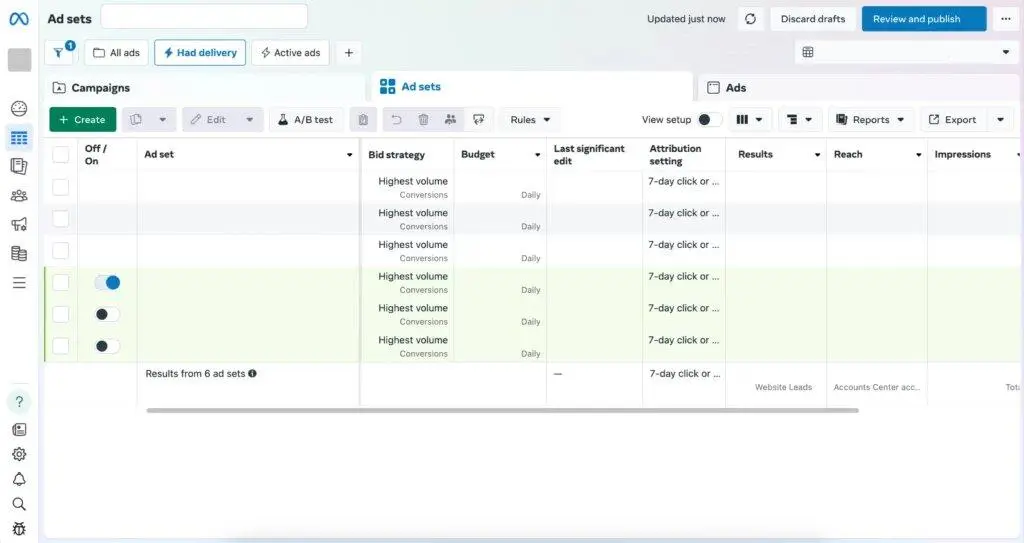
Meta also supports audience approaches that can be useful when a business has suitable customer data. These include custom audiences and lookalike audiences, which help advertisers reach people who are similar to an existing audience. The outcome still depends on data quality and the chosen objective.
Facebook Ads can support lead generation and sales. However, it usually requires stronger campaign design because the platform gives advertisers more options to test and manage.
The table below gives a practical comparison. The best setup depends on the offer, audience, budget and sales process.
| Decision factor | Zalo Ads | Facebook Ads | What it means for a business |
| Geographic focus | Built around the Vietnam market | Can support Vietnam campaigns and broader Meta reach | Choose based on the markets you need to serve |
| Main campaign environment | Zalo OA, website, form, message, video and display formats | Facebook, Instagram, Messenger and other Meta placements | Match the platform to the customer journey |
| Lead handoff | Often moves into OA, messaging, form or phone follow-up | Often moves into a website, lead form, Messenger or checkout flow | Choose the handoff your team can manage well |
| Audience approach | Local targeting, demographic options, interests and eligible phone-list audiences | Demographics, interests, locations, custom audiences and lookalikes | Consider the quality of your customer data |
| Cost model | Can vary by format, including CPC, CPM or CPA | Depends on campaign objective, auction conditions and delivery | Compare qualified outcomes, not only CPM or CPC |
| Operational needs | OA readiness, category eligibility and sales response process | Creative testing, pixel or conversion setup, policy compliance and landing-page quality | Campaign execution matters as much as media buying |
| Strong use case | Local consultations, Zalo engagement and direct follow-up | Prospecting, creative testing, ecommerce and broader demand generation | There is no single winner for every business |
This comparison also shows why simple platform claims are risky. Zalo is not always lower-cost. Facebook is not always better for targeting. A platform may generate cheap leads that never answer the phone. Another may generate fewer leads but create stronger sales conversations.
The right decision requires a full view of the customer journey.
When should a business choose Zalo Ads?
Zalo Ads can be a good first choice when the business needs to communicate with customers in Vietnam through a direct channel.
A local service company may benefit when a potential customer wants quick consultation. This could include beauty, education, retail or other businesses where a human conversation helps move the decision forward.
Zalo can also make sense when the business already has a verified Official Account and a plan for using it. An Official Account should not be treated as a profile that only exists to run ads. It needs useful information, timely replies and a clear reason for customers to follow.
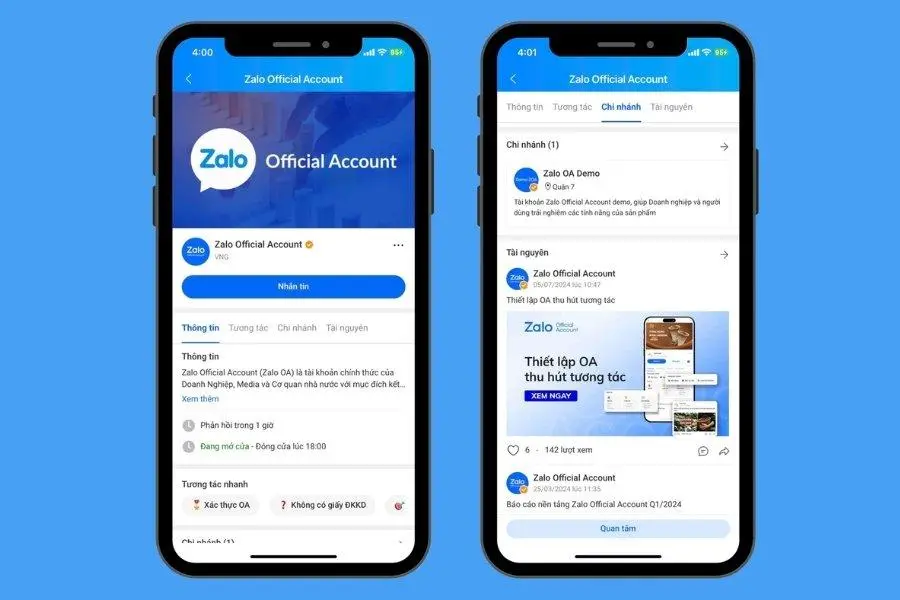
Another suitable situation is when the business has a consented customer list and wants to reach existing customers again. Zalo Ads supports audience targeting based on uploaded phone lists, subject to the platform’s requirements. This can be useful for customer care or re-engagement campaigns.
However, the business should not upload data casually. It needs a legitimate reason to use the information for marketing, a clear data-handling process and a record of consent where required.
Zalo Ads may be suitable when:
- The business sells mainly in Vietnam.
- Sales depend on consultation or direct messaging.
- The team can reply to messages and lead forms quickly.
- The business has or plans to build a verified Zalo Official Account.
- The campaign needs local follow-up rather than broad international reach.
- The business has suitable first-party customer data.
The platform may be less suitable when the business needs to test a large range of creative formats across different markets or relies heavily on an ecommerce journey outside the Zalo environment.
For campaigns built around Official Account growth, form leads or direct conversation, Zalo Ads Services can help align media setup with sales follow-up.
When should a business choose Facebook Ads?
Facebook Ads can be a stronger starting point when the business needs to create demand and reach different audience groups through the Meta ecosystem.
A new brand may need to learn which product benefit attracts attention. An ecommerce business may need to test product videos, landing pages and sales campaigns. A B2B company may want to compare thought-leadership content and lead forms before deciding where to increase spend.
Facebook Ads can also suit businesses that need a more flexible audience approach. An advertiser may begin with a broad audience, test specific interests or use customer data to build custom and lookalike audiences. This does not guarantee performance, but it creates more room for structured testing.
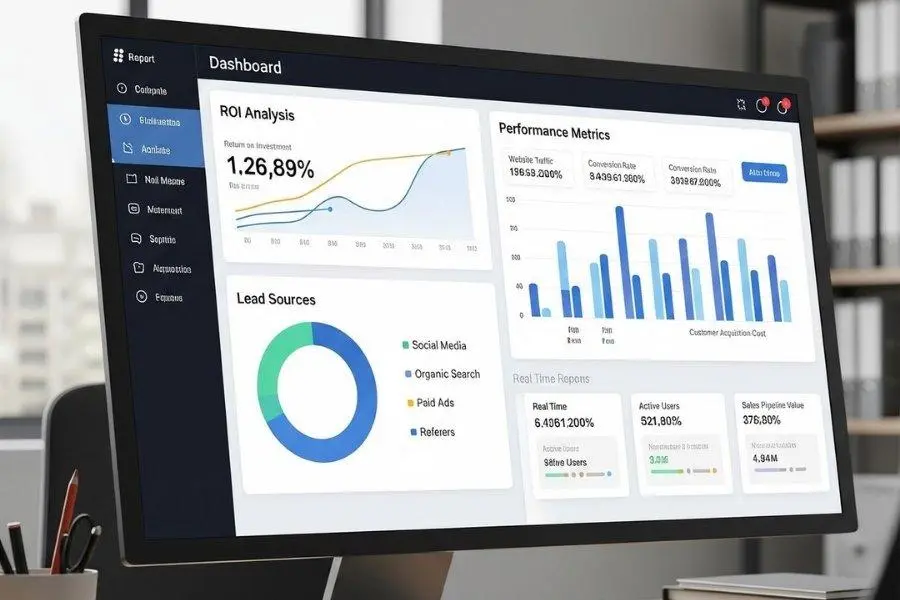
The platform can be useful when a business wants to understand which combination of audience, creative and offer produces the best results. For example, a company may find that a case-study video drives stronger leads than a general service ad. Another may find that a simple product demonstration converts better than a discount message.
Facebook Ads may be suitable when:
- The business needs broader awareness or customer discovery.
- The team can test multiple creative concepts.
- The campaign needs to use Facebook, Instagram or Messenger placements.
- The business has a strong website, landing page or ecommerce flow.
- The company wants to use custom or lookalike audience strategies.
- The business may later expand beyond Vietnam.
The platform still needs proper lead handling. A Facebook Lead Ad can create a high volume of enquiries, but the sales team needs to contact those people quickly and record lead quality. Without that process, cost per lead can look good while cost per sale remains high.
For campaigns that depend on multi-placement creative testing and scalable audience development, Facebook Advertising Services can provide a structured testing framework.
Which platform is more cost-effective?
Neither platform is automatically cheaper. Cost-effectiveness depends on the business outcome, not the price of a click or impression.
A campaign with a low CPC may still perform poorly if visitors leave the landing page immediately. A campaign with a higher cost per lead may be more valuable if sales teams can contact those leads and convert a meaningful percentage into customers.
The right metric changes with the campaign objective.
| Campaign goal | Better metrics to review |
| Brand awareness | Reach, frequency, CPM and video engagement |
| Website traffic | Landing-page views, engaged sessions and bounce patterns |
| Lead generation | Cost per lead, contact rate and qualified lead rate |
| Consultation booking | Cost per booked appointment and show-up rate |
| Ecommerce sales | Cost per purchase, average order value and customer acquisition cost |
| B2B pipeline | Cost per qualified opportunity, meeting rate and pipeline value |
For example, a clinic may compare the cost per booked consultation rather than cost per form; or, an ecommerce brand may compare revenue after refunds rather than cost per purchase alone.
This is why a small test budget is often useful. The business can run a controlled campaign, track the full lead journey and decide whether to scale based on actual sales quality.
The aim is to find the most sustainable cost for a qualified customer outcome.
How can businesses use Zalo Ads and Facebook Ads together?
Zalo Ads and Facebook Ads do not need to compete. They can support different stages of the same customer journey when the business has a clear process.
Use Meta to create discovery and test demand
Facebook and Instagram can help introduce a brand to new people. A business can test different product messages, offers or audience approaches. This activity can show which creative idea produces the strongest response.
For example, a home-services brand may test three messages: speed, reliability and transparent pricing. The winning message can then be used across other channels, including Zalo.
Capture leads through a trackable first-party process
Once someone responds, the business needs a reliable handoff. This may be a website form, lead form, Messenger conversation, phone call or booking page.
Every lead source should enter a clear process. The team needs to know:
- Where the lead came from.
- Who owns the follow-up.
- How quickly the person should be contacted.
- What counts as a qualified lead.
- Whether the lead becomes a customer.
This is where many multi-channel campaigns fail. Ads create volume, but no one owns the transition from marketing to sales.
Use Zalo for relevant follow-up and communication
Zalo can support follow-up when the business has a suitable Official Account, an eligible campaign type and customer data that can be used appropriately. It may help maintain contact after a person has already shown interest or submitted information.
However, this is not an automatic bridge where every person who interacted with a Facebook campaign can be retargeted on Zalo. Cross-platform activity depends on first-party data, matching rules, platform eligibility and lawful data use.
A stronger combined workflow may look like this:
- Meta campaigns create awareness and test offers.
- A landing page or lead form captures permission-based customer information.
- The CRM records the source and lead status.
- Sales or customer-care teams respond quickly.
- Zalo supports suitable follow-up through OA, messaging or eligible audience targeting.
- Reporting compares qualified outcomes across both platforms.
This approach helps a business avoid duplicate spend and disconnected lead management.
Policy, data and operational checks before launching
Platform choice should not be based only on audience size or ad format. Businesses also need to prepare the operational side of the campaign.
For Zalo, this may include Official Account verification, supported campaign types and category eligibility. Certain formats, such as form and message campaigns, may only be available to supported industries. Commerce advertising also has product-specific requirements.
For Meta, the business should review the campaign objective, creative, landing page and industry policy before launch. The team should also ensure conversion tracking and lead routing are working correctly.
Both platforms require data discipline. Customer phone numbers, emails and lead records should be handled carefully. Businesses should only use customer data when they have a valid basis to do so and when the advertising setup follows platform rules.
Before launching, confirm that the business has:
- A clear campaign goal.
- An approved lead-handling process.
- A working landing page, form or message flow.
- Defined ownership for sales follow-up.
- CRM fields that record campaign source.
- Creative assets that match the offer.
- Policy checks for the category and campaign format.
- A reporting method that connects ad spend to qualified outcomes.
This preparation is not extra administration. It is what turns paid media activity into a measurable growth channel.
Frequently asked questions (FAQs)
Is Zalo Ads cheaper than Facebook Ads?
Not always. Zalo Ads and Facebook Ads use different formats, bidding approaches and delivery systems. Cost also changes by audience, creative, competition and campaign objective. A better comparison is cost per qualified lead, booked consultation or sale instead of only CPC or CPM.
Which platform has better targeting?
Facebook Ads offers a wide range of audience approaches across Meta’s ecosystem, including demographics, interests, custom audiences and lookalikes. Zalo Ads supports local targeting, demographic options, interests and eligible phone-list audiences. The better option depends on the market, available customer data and campaign goal.
Can Zalo Ads target customers outside Vietnam?
Zalo Ads is designed around the Vietnam market. Businesses that need to reach audiences in several countries will usually need a broader platform mix, such as Meta Ads, Google Ads or other international advertising channels.
Does a business need a Zalo Official Account to run ads?
Some Zalo campaign types require a verified Official Account, including Official Account ads and article ads. Other formats may have different requirements. Businesses should check the relevant format before planning a campaign because eligibility can differ by objective and category.
Can a company use Facebook Ads for acquisition and Zalo for follow-up?
Yes, but the process needs first-party data, clear permission and a working CRM or lead-management system. Facebook can support discovery and lead capture. Zalo can support suitable follow-up through Official Account or eligible customer-list targeting. It should be managed as one connected customer journey.
How should a business split budget between Zalo and Facebook Ads?
Start with the campaign objective and the amount of testing needed. A business may allocate more budget to Meta when it needs to discover which audience and creative work best. It may allocate more to Zalo when local follow-up, OA growth or direct consultation is the main goal. Review qualified leads and sales outcomes before scaling.
Choose the platform that matches the lead journey
Zalo Ads and Facebook Ads can both support growth in Vietnam. The right choice depends on where the customer is, what action the business needs and how well the team can handle the lead after the ad.
Zalo can be valuable for local engagement, Official Account communication and direct consultation. Facebook can be valuable for discovery, creative testing and broader audience development. Businesses that need both can combine the platforms through one lead-management and reporting process.
The strongest paid-media strategy does not focus only on reach, CPC or CPM. It connects ad delivery with qualified leads, sales follow-up and measurable business results.
Explore PPC Management Services from On Digitals to build cross-platform campaigns that connect media spend, lead quality and commercial outcomes.

NEWEST POSTS
- Advertising Industry In Vietnam: The 2026 Trends, Channels and Market-Entry Strategy
- Best SEO Company in Vietnam: Latest Shortlist For Businesses
- How To Leverage Social Media For Customer Service Like A Pro?
- Social Media Post Tips – 8 Ways To Boost Engagement
- How To Use Social Media for Sales – In-depth Beginner Guide
Read more