
Facebook Ads vs TikTok Ads: How to choose?
Vincent
05/03/2026
22
Facebook Ads and TikTok Ads can both support awareness and sales. However, they work best in different conditions. Facebook Ads, commonly managed through Meta Ads Manager, often suits businesses with customer data and a clear retargeting plan. TikTok Ads often suit businesses that need people to discover an offer through short, native video.
The better choice depends on how customers find your brand, what proof they need before acting, and how your business measures a valuable result.
Facebook Ads vs TikTok Ads in 60 seconds
Meta Ads is often the better starting point when a business needs to re-engage website visitors, use customer lists or build a more structured conversion path. Meanwhile, TikTok Ads is preferred when a product needs to be seen in action or introduced before people know how to search for it.
Many businesses can benefit from both platforms. The key is giving each channel a different role instead of running the same campaign everywhere.
| If your business needs to… | Better starting point | Why |
| Re-engage website visitors or past customers | Meta Ads | Retargeting and first-party data can support more relevant follow-up. |
| Create demand for a visual product | TikTok Ads | Short-form video can show the product in context before people search for it. |
| Generate leads with a defined sales process | Meta Ads | Lead forms, CRM data and retargeting often suit structured lead generation. |
| Launch a simple ecommerce product | TikTok Ads or both | TikTok can create discovery while Meta can support remarketing. |
| Promote an urgent local service | Search Ads first | Customers often search when they need an immediate solution. |
Neither platform wins because it has a lower click cost. A campaign is useful when it brings the right people to a page that can turn attention into enquiries, purchases or long-term customer value.
What does “Facebook Ads” mean in 2026?
People still search for Facebook Ads, but most campaigns are managed through Meta Ads Manager. This system can distribute ads across Facebook, Instagram and Messenger. A Facebook Ads strategy may therefore reach customers in several placements, not only the Facebook feed.
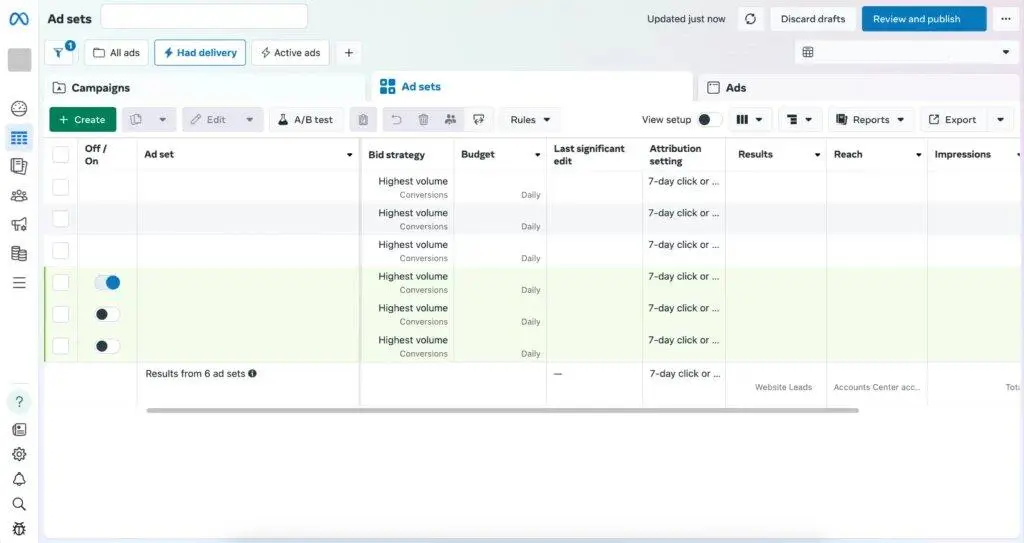
This matters because the decision is not simply Facebook versus TikTok. Meta offers a connected ecosystem where someone may first see a video on Instagram, later engage with a Facebook ad, and then return through a remarketing campaign.
TikTok works differently. Its advertising environment is built around short-form video, the For You feed and content discovery. TikTok can also support lead generation, ecommerce and search-led discovery. However, the creative still needs to earn attention before it can earn a click or conversion.
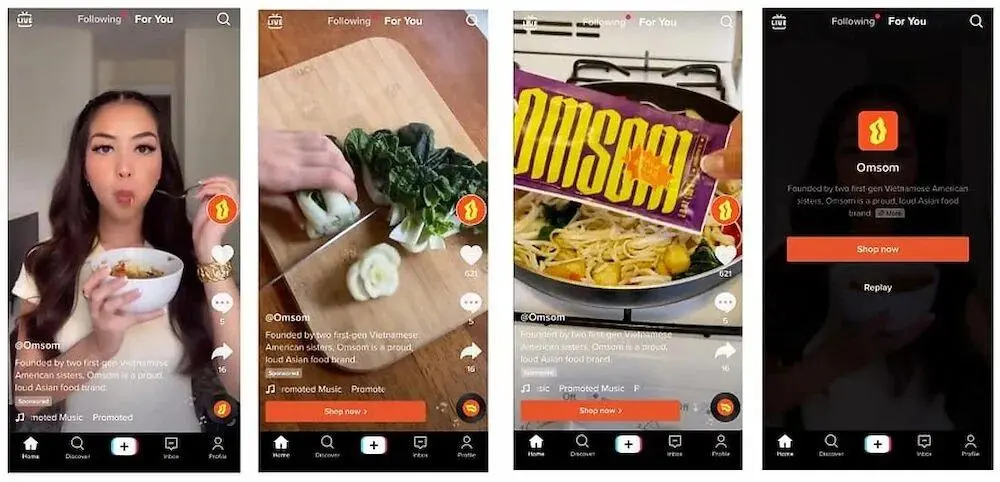
For this comparison, Facebook Ads refers to the wider Meta advertising ecosystem. This keeps the page aligned with the keyword people search while giving readers a more accurate view of paid social advertising today.
Relationship data vs discovery-led creative
Meta Ads and TikTok Ads both use automation, conversion events and audience signals. The important difference is what each platform often uses as its starting point.
Meta can become more useful when a business already has meaningful data. This may include:
- website visitors
- customer lists
- product viewers
- past buyers
- people who have interacted with the brand
These signals can help advertisers build retargeting campaigns and create different messages for people at different stages of the buying journey.
TikTok is more discovery-led. Users often scroll to be entertained or inspired. They are not always actively looking for a product. A TikTok ad therefore needs to create relevance quickly. It may introduce a problem, demonstrate a product or make a customer benefit easy to understand.
This does not mean Meta is only for conversion and TikTok is only for awareness. TikTok can generate purchases and leads when the offer, tracking and creative are ready. Meta can also introduce a new product to broad audiences.
The difference is that Meta often benefits more from existing relationship data, while TikTok relies more heavily on how people respond to the creative.
Audience targeting and first-party data
Both platforms offer audience targeting, retargeting and automated delivery. The practical question is whether your business has useful data and whether that data reflects the customers you want to acquire.
Meta can be a strong choice when a business already understands its customers.
TikTok also supports custom audiences and retargeting when website or customer data is connected. TikTok Pixel and Events API can help the platform understand actions such as product views and purchases.
This makes TikTok more suitable for performance campaigns than the old assumption that it is only a viral reach channel.
However, TikTok still places more pressure on the creative. The platform can learn from audience behaviour, but a generic ad may be ignored before targeting has a chance to help.
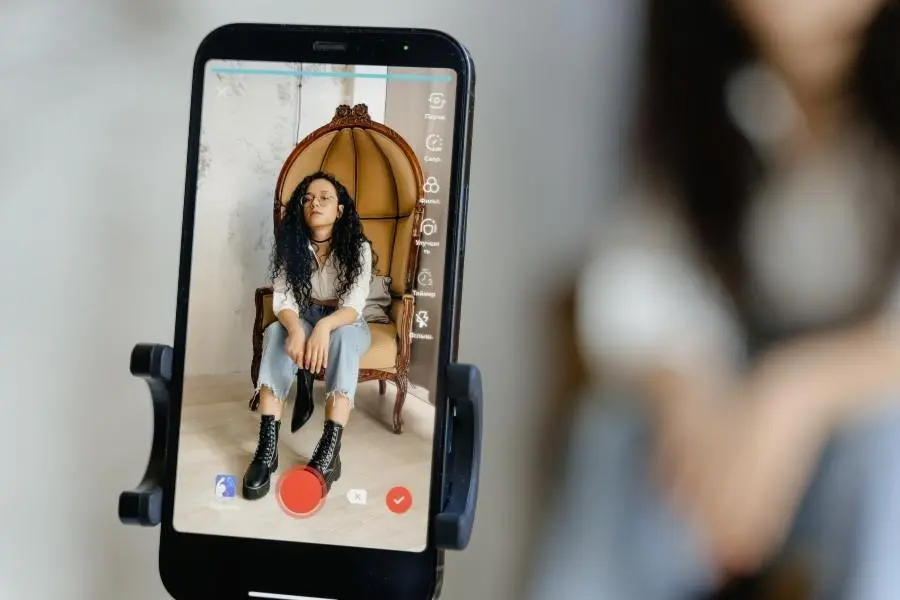
Meta also needs strong creative, but it gives businesses more options to use catalog ads, carousels, lead forms, messaging and multi-placement delivery.
Before investing heavily in either platform, review the data you actually have. If CRM records are incomplete or lead quality is not tracked, improving measurement should come before expanding ad spend.
What performs differently?
Meta and TikTok both require creative that fits the platform. The difference is how quickly the audience expects the message to become relevant.
Meta supports a broad mix of creative formats. Businesses can use:
- Video
- Static images
- Carousels
- Catalog ads
- Collection ads
- Lead forms
This flexibility can support different parts of the funnel.
Meanwhile, TikTok relies more heavily on native vertical video. The viewer often decides within the first few seconds whether to keep watching. A TikTok ad should introduce a clear tension or proof point early. It should feel natural in the feed, even when the message is commercial.
The most effective TikTok creative is not always the most polished video. A creator-style review, product demonstration or response to a common customer question can feel more believable than a traditional commercial.
The key is clarity. Viewers should understand what is being shown, why it matters and what they can do next.
TikTok also needs a stronger creative testing rhythm. Instead of making one video and changing only the caption, test genuinely different angles:
- A customer problem or frustration
- A product demonstration
- A creator or customer review
- A comparison with an old method
- A price or offer-led message
- A response to a common objection
Facebook Ads vs TikTok Ads: Cost and ROI
Facebook Ads vs TikTok Ads cost cannot be answered with one CPM, CPC or conversion-rate benchmark. Costs change by different criteria. A low cost per click does not prove that one platform is more profitable.
TikTok may deliver efficient reach for some visual products because video can attract attention at scale. Yet that traffic may not convert if the product page is unclear or checkout creates friction.
Meta may cost more in a competitive category but still be worthwhile if retargeted visitors convert at a higher rate or purchase again later.
For lead generation, compare cost per qualified lead instead of cost per form submission. A lead should meet the criteria that matter to the sales team, such as business fit, budget, need or readiness to talk.
For ecommerce, compare customer acquisition cost with contribution margin, average order value and repeat purchase potential.
| Metric | Why it matters |
| Cost per qualified lead | Shows whether lead volume is becoming realistic sales opportunities. |
| Cost per purchase | Connects media spend with completed transactions. |
| Customer acquisition cost | Helps assess the full cost of winning a new customer. |
| New-customer revenue | Separates real growth from repeat orders that may have happened anyway. |
| Contribution margin | Shows whether sales remain profitable after product and fulfilment costs. |
| Assisted conversions | Helps identify whether one platform created demand before another received the final click. |
Do not compare platform-reported ROAS without checking attribution settings. A customer may first see a TikTok video, research the product later, then convert after clicking a Meta retargeting ad. The final channel gets the credit, but it may not have created all of the demand.
Which platform fits different businesses?
The best channel depends on the offer and buying journey, not audience age alone.
| Business situation | Better starting point | Reason |
| B2B service with lead qualification | Meta Ads | CRM data, lead forms and retargeting can support a structured sales path. |
| Fashion, beauty, food or visual home products | TikTok Ads plus Meta Ads | TikTok can create discovery while Meta can retarget visitors and support product conversion. |
| High-value ecommerce purchase | Meta Ads first, TikTok test second | Trust, detailed product information and remarketing often matter before purchase. |
| New consumer product with little existing demand | TikTok Ads first | Native video can explain the product before people know what to search for. |
| Brand with limited creative capacity | Meta Ads first | TikTok may become inefficient when creative cannot be refreshed regularly. |
| Urgent local service | Search Ads first | Customers often search for an immediate solution instead of browsing social content. |
These are starting points rather than fixed rules. A B2B company may use TikTok to make complex ideas more accessible. A visual ecommerce brand may achieve strong results on Meta when its catalog and retargeting data are mature.
The right decision comes from testing a clear business hypothesis, not copying another brand’s media mix.
When TikTok Ads should be the first move
TikTok Ads is a good first test when a business needs to create interest before demand already exists. This often applies to new consumer products and visually demonstrable offers.
TikTok can also work well when social proof matters. A customer may trust a product more after seeing it used by a creator or someone with a similar problem. This can be useful for several industries, like:
- Beauty
- Lifestyle
- Home
- Food
- Fitness
- Consumer technology
The same principle can apply to other industries when the value is easy to show.
The business must be ready for mobile traffic. The landing page should load quickly, explain the offer clearly and make the next action simple. Ecommerce brands should check product availability, delivery information and return policies before scaling social traffic.
Brands that need support with creative testing, campaign structure and measurement can explore TikTok advertising services.
When Meta Ads should be the first move
Meta Ads is often the better first move when a business already has useful data and a clear conversion path.
Meta can also fit high-consideration purchases. A customer who needs time to compare options may see several messages across Facebook and Instagram before returning to the website. Retargeting can then move the conversation from broad interest to a more specific offer or consultation.
It is also practical for businesses that cannot yet produce a large volume of short-form video. Meta still needs creative variety, but it can accommodate a broader mix of formats. A well-designed infographic may be a better starting point than an under-resourced TikTok test.
For campaign planning across Facebook, Instagram and Messenger, see On Digitals’ Meta advertising services.
When should you use both platforms?
Use Meta Ads and TikTok Ads together when each has a defined role. Do not run identical campaigns on both platforms and assume the results will be comparable.
A common approach starts with TikTok for discovery. Creator-led videos, product demonstrations or customer stories can introduce an offer to people who were not actively looking for it. Meta can then support retargeting once people have visited the site or engaged with the brand.
The message should stay consistent, but the creative should adapt. A TikTok video may begin with an immediate hook and casual proof. A Meta ad may use a clearer product comparison, customer quote or direct offer. The audience has a different browsing mindset in each environment.
Track both channels with clear UTM rules, platform events, Google Analytics 4 and CRM outcomes. Review results at a business level. A platform with lower reported ROAS may still contribute to new demand that another platform captures later.
For a broader comparison between discovery-led and search-led advertising, read TikTok Ads vs Google Ads.
A practical 30-day paid social test
A focused test gives a business better learning than launching every audience, format and campaign objective at once.
- Choose one commercial goal. This could be a qualified lead, purchase, demo booking or app registration.
- Define what counts as quality. A B2B lead may need a company email and a real business need. An ecommerce order may need to meet an acceptable margin.
- Check tracking before traffic arrives. Connect platform events, UTM naming, Google Analytics 4 and CRM stages where relevant.
- Build distinct creative angles. Do not test five small edits of the same message.
- Run separate platform tests. Keep the offer and landing-page goal comparable, but adapt creative to each environment.
- Review qualified outcomes. Look beyond click-through rate to lead quality, conversion rate, customer acquisition cost and sales feedback.
- Make one next decision. Scale the stronger channel, improve the landing page, create new creative or adjust the channel role.
Do not increase budget simply because a campaign had one efficient day. Scale when quality remains consistent across enough conversion data.
Frequently asked questions (FAQs)
Is Facebook Ads better than TikTok Ads for ecommerce?
Meta Ads is often stronger for ecommerce brands that already have product data, website traffic and a retargeting strategy. TikTok can be stronger for discovery when the product is visual and easy to demonstrate. Many ecommerce brands use both: TikTok introduces products, while Meta re-engages visitors and supports repeat conversion.
Is TikTok Ads cheaper than Facebook Ads?
TikTok Ads may produce lower-cost reach or clicks in some markets, but that does not automatically make it cheaper for the business. Meta may cost more per click but deliver higher-quality traffic or stronger repeat conversion. Compare cost per purchase, customer acquisition cost and contribution margin instead of CPC alone.
Which platform is better for lead generation?
Meta Ads is often the better starting point for lead generation because it can work with customer data, lead forms and retargeting. TikTok can also generate leads when the offer is easy to understand in video and the sales team follows up quickly. In either case, businesses should measure qualified leads rather than form submissions alone.
Can TikTok Ads retarget website visitors?
Yes. TikTok can use connected website data to build custom audiences and retarget people who have taken actions such as viewing a product or starting checkout. Retargeting works best when the platform receives reliable event data and the follow-up creative gives visitors a clear reason to return.
Should brands run Meta Ads and TikTok Ads at the same time?
Brands should use both platforms when they have enough budget, creative and tracking to give each channel a clear role. TikTok can create discovery while Meta handles retargeting or conversion support. Running both at once is not useful when a small budget prevents either platform from collecting meaningful data.
Choose the platform that fits the work your customer needs to do
Facebook Ads vs TikTok Ads is not a contest between an old platform and a new platform. It is a question of how customers discover, evaluate and return to an offer.
Choose Meta when first-party data, retargeting and a structured conversion path should lead the campaign. Choose TikTok when creative discovery and social proof need to create demand first. Use both when content, conversion and measurement can work as one system.
On Digitals helps businesses plan paid social around channel fit, creative testing, landing-page relevance and measurable outcomes.

NEWEST POSTS
- Advertising Industry In Vietnam: The 2026 Trends, Channels and Market-Entry Strategy
- Best SEO Company in Vietnam: Latest Shortlist For Businesses
- How To Leverage Social Media For Customer Service Like A Pro?
- Social Media Post Tips – 8 Ways To Boost Engagement
- How To Use Social Media for Sales – In-depth Beginner Guide
Read more