
Insights
How To Use Email Marketing Effectively In 2026
On Digitals
18/03/2026
45
How to use email marketing to connect with customers and share valuable updates, proving that you’re a credible name in the industry? A well-planned strategy can improve engagement, build relationships, and support long-term growth. This article explains practical ways to apply email marketing in your campaigns that generate meaningful leads!
What does the term email marketing refer to?
Email marketing refers to sending promotional or informational messages to customers through email in order to maintain communication and promote products or services, especially for those exploring how to start email marketing for the first time. Companies use it to share updates, promotions, and useful information with their audience. The goal is to build relationships, encourage engagement, and support business growth.
Email campaigns can include promotional offers, product announcements, or informative newsletters that deliver value to subscribers. These messages help brands stay connected with their audience and maintain regular communication. Learning how to use email marketing effectively can help businesses strengthen customer relationships and improve campaign results.
One key advantage of this strategy is that subscribers have already shown interest by signing up to receive emails. This allows businesses to send relevant and personalized content directly to their inbox. Consistent communication can help increase customer loyalty and encourage repeat purchases.
A clear explanation of modern email marketing concepts
6 key benefits of email marketing for businesses
Many businesses still rely on email marketing as a reliable channel for communicating with customers and promoting their products or services. According to HubSpot, email marketing generates an average ROI of $36 for every $1 invested. With the right strategy, it can support brand growth, improve engagement, and increase conversions. Below are six key benefits companies can gain from using this marketing channel:
Improve brand awareness through email communication
Consistent communication through email helps keep your brand visible to subscribers. By sharing updates, helpful resources, and educational content, brands can stay connected with their audience over time. A clear understanding of how to use email marketing also includes aligning email design, tone, and visuals with your brand identity to strengthen brand recognition.
Use email to attract more website traffic
Email campaigns can encourage subscribers to visit your website and explore more content. Businesses often include short previews of blog posts or product highlights that link to full pages on their site. Clear calls-to-action in newsletters or promotions can guide readers to landing pages where they can learn more.
Grow revenue by mastering how to use email marketing
Email allows brands to present products directly to interested customers. Promotions such as discounts, limited offers, or curated product collections can motivate subscribers to make purchases. Businesses that understand how to use email marketing strategically can also apply upselling and cross-selling to raise the average order value.
Combine email with your overall marketing strategy
Email works well alongside other digital marketing channels and is often part of a broader strategy for brands learning how to do email marketing effectively. Businesses can use it to promote social media campaigns, highlight blog content, or invite subscribers to events. This integration helps create a consistent customer journey across multiple platforms.
Build better engagement with creative email marketing
Creative email campaigns keep subscribers interested and maintain ongoing interaction with your brand. A creative approach to how to use email marketing often includes experimenting with different formats such as newsletters, promotions, and storytelling emails. This variety helps keep the audience engaged and strengthens long-term relationships.
Use email data to improve marketing decisions
Email marketing platforms provide analytics that reveal how subscribers interact with your messages. Companies can track open rates, click behavior, and responses to surveys or feedback forms. These insights help refine future campaigns and improve both marketing strategies and customer experience, which is essential when finding out how to make money with email marketing.
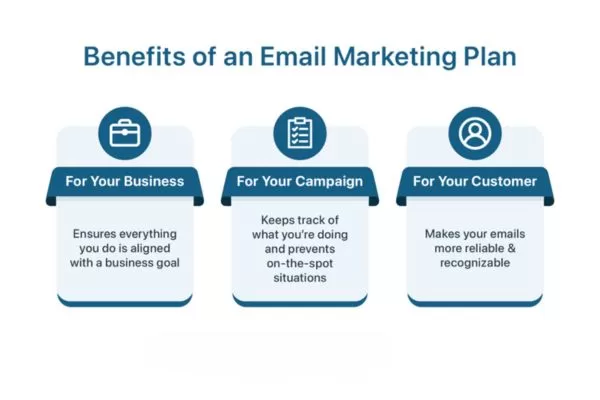
Six important advantages of email marketing for growing businesses
Main categories of email marketing campaigns
Companies often use several types of email campaigns depending on their goals, such as welcoming new subscribers, promoting offers, or sharing updates. Each type serves a unique purpose, from building relationships to promoting products or sharing valuable information.
Welcome emails
Welcome emails are the first messages subscribers receive after joining an email list or completing a purchase. They introduce the brand, highlight key products or services, and help create a positive first impression. Effective welcome emails are usually short, clear, and encourage subscribers to take the next step.
Newsletter emails
Newsletter emails are one of the most common campaign types used in digital marketing. Businesses often use them to share industry updates, useful tips, and curated content with their subscribers. When businesses know how to use email marketing, newsletters can help maintain consistent communication and strengthen long-term customer relationships.
Promotional email campaigns
Promotional emails are designed to highlight a specific product, service, or limited-time offer to subscribers. Businesses often use them to showcase discounts, new launches, or seasonal sales to encourage purchases. When used effectively, promotional campaigns demonstrate how to use email marketing to support sales and strengthen an omnichannel marketing strategy.
Cart abandonment emails
Cart abandonment emails are sent to shoppers who added items to their cart but left the website without completing the purchase. These messages remind customers about the products they were interested in and encourage them to return, which is a common tactic in how to use email marketing for sales. Businesses often include incentives such as discounts or free shipping to increase the chances of conversion.
Seasonal marketing campaigns
Seasonal emails are campaigns sent during specific periods such as holidays, special events, or particular seasons of the year. Businesses often use them to promote products or services that match current trends, celebrations, or seasonal needs. By highlighting relevant items at the right moment, seasonal emails can attract more attention and encourage customers to make timely purchases.
Other common email campaign formats
Besides the common campaign types, several other email formats can also strengthen communication with your audience. Using different formats is an important part of how to use email marketing effectively. Each type serves a specific purpose, from re-engaging inactive subscribers to encouraging feedback and social interaction.
- Re-engagement emails: Sent to inactive subscribers to encourage them to open emails, click links, or make a purchase again. Subject lines often include phrases like “We miss you” or “Are you still there?”
- Announcement emails: Used to inform subscribers about new products, upcoming sales, events, holidays, or important company updates.
- Triggered email series: Automated emails sent based on specific customer actions, such as signing up for a newsletter or abandoning a shopping cart.
- Post-purchase drip emails: Messages sent after a customer makes a purchase to improve their experience, provide order updates, request reviews, or offer discounts for future purchases.
- Connect-via-social campaigns: Emails encouraging subscribers to follow or interact with the brand on social media, sometimes with incentives like loyalty points or exclusive offers.
- Testimonial request emails: Campaigns designed to collect customer feedback and reviews on websites, social media, or review platforms.
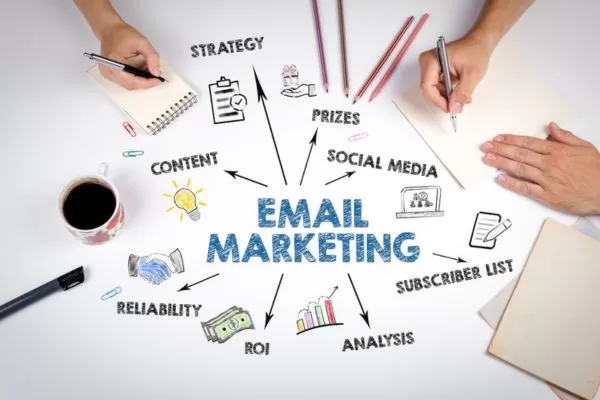
Common types of email campaigns used in digital marketing
Practical methods to build your email subscriber list
Creating an email list is the first step in any successful email marketing strategy. Without subscribers, businesses have no audience to send campaigns to. A clear strategy for how to use email marketing also includes selecting a reliable platform and applying effective tactics to attract and grow your subscriber list.
Use opt-in forms in different areas of your site
Placing opt-in forms around your website is one of the simplest ways to grow your email list. Organizations can add signup buttons or subscription forms to key areas such as the homepage, website footer, blog pages, pop-ups, or landing pages. These forms make it easy for visitors to subscribe while browsing your content. To increase sign-ups, clearly explain what subscribers will receive or offer incentives like discounts, exclusive content, or updates.
Offer gated resources to attract subscribers
Creating gated content and lead magnets is a common method businesses use to grow their email subscriber list. Valuable resources such as ebooks, research reports, templates, or checklists are offered to visitors in exchange for their contact information. This approach encourages users to subscribe in order to access useful and exclusive content.
Visitors usually need to complete a short form with details like their name and email before accessing the material. Many businesses apply this tactic when exploring how to use email marketing more strategically for lead generation. The collected contacts can later receive relevant campaigns that nurture interest and guide them toward future purchases.
Use event signup forms to capture leads
Event sign-up forms are another effective way to grow your email list. When people register for webinars, workshops, or online events, businesses can collect their contact details through a simple registration form. This approach not only helps increase subscribers but also connects brands with audiences who are already interested in their content or services.
Essential strategies for better email marketing campaigns
After building an email list, firms can start designing campaigns that encourage subscribers to open messages and take action. The following tips can help improve performance and make your email marketing campaigns more effective:
Use a properly segmented email list
Choosing a relevant email list is essential for running effective campaigns. Sending messages to the right audience increases the chances of engagement and meaningful interactions. Businesses that understand how to use email marketing often segment their lists to deliver more relevant and targeted content.
For example, regional promotions or local events should be sent only to subscribers in the appropriate location. Other segmentation methods may include demographics such as age, gender, or interests. It is also important to avoid unethical practices like buying email lists, as this can harm engagement rates and lead to spam issues.
Craft a well-structured email design
A well-designed email helps your message stand out and keeps readers interested, especially when combined with strong content strategies for how to write email marketing messages. Even valuable content may be overlooked if the email layout looks unappealing or difficult to read.
- Apply your branding: Include your logo, brand colors, and fonts so the design stays consistent with your overall visual identity.
- Add white space: Leave enough spacing around text and images to create a clean layout and improve readability.
- Use images: Adding visuals such as images or GIFs can make emails more engaging and capture attention quickly.
- Make emails responsive: Ensure your emails display properly on both desktop and mobile devices without layout issues.
- Establish visual hierarchy: Organize elements using alignment, font sizes, and spacing so readers can easily follow the content.
Develop personalized email subject lines and content
Personalizing your email subject line and content helps create a more meaningful connection with subscribers. As part of how to use email marketing, customer data can be used to deliver messages that feel more relevant and tailored to each individual.
- Mention the subscriber’s name in the subject line to make the email feel more personal and capture attention.
- Use subscriber location to promote nearby events, store openings, or local sales.
- Provide personalized product suggestions using purchase or browsing history.
Use a casual and engaging email tone
Using a conversational tone can make email messages feel more personal and approachable for subscribers. When businesses understand how to use email marketing, they often focus on creating messages that sound friendly and approachable. This style makes emails feel less like advertisements and more like genuine communication.
Instead of using overly formal or sales-heavy language, try writing as if you are speaking to someone you know. A warm and simple tone can make your message easier to read and more relatable. Over time, this approach can help improve engagement and encourage more conversions.
Build effective email follow-ups
How to use email marketing effectively often involves sending follow-up emails instead of relying on a single message. Sometimes subscribers need additional reminders or information before they decide to take action. Follow-up emails help nurture leads and increase the chances of conversion.
This approach works well for different campaign types such as abandoned cart reminders, retargeting emails, or welcome series. For example, brands may remind subscribers about items left in their cart, offer a discount code, or create urgency by mentioning that the cart will expire soon. These small prompts can encourage customers to return and complete their purchase.
Marketing automation tools make it easier to set up follow-up sequences. Companies can create emails, define triggers, and schedule delays between messages so the system sends them automatically. However, it is important to space emails properly to avoid overwhelming subscribers or being marked as spam.
Avoid no-reply emails and use a real sender
Sending emails from a real person can make your messages feel more genuine and trustworthy. Emails sent from addresses like “no-reply” often appear automated and may reduce engagement from subscribers. Using a recognizable sender name, such as a team member or company representative, helps your emails feel more personal. This simple approach also supports better engagement when applying how to use email marketing effectively.
Compare email versions with A/B testing
A/B testing is a useful method for improving the performance of your email campaigns. It involves creating two versions of an email and sending each version to a small segment of your audience. By comparing the results, you can identify which version performs better before sending it to the rest of your subscribers.
This process helps businesses refine elements such as subject lines, content, or call-to-action buttons. Over time, testing provides insights into what your audience prefers and how they interact with your emails. These insights can help improve future campaigns and strengthen your overall marketing strategy.
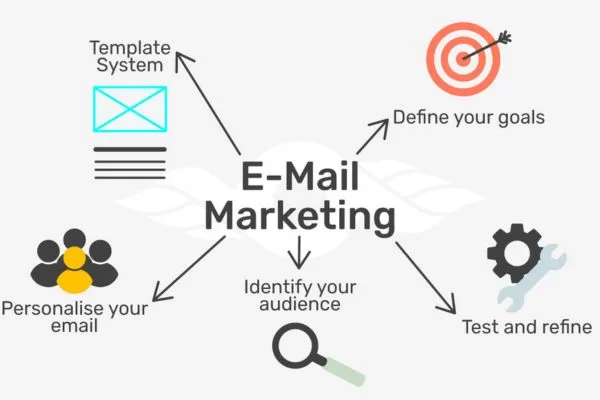
Key strategies behind successful and engaging email campaigns
How to use email marketing: 7 simple steps
Planning a clear email marketing strategy helps ensure each campaign has a purpose and reaches the right audience at the right time.
Evaluate if audience segmentation is needed
Segmenting your audience can help make your email campaigns more relevant and effective. By dividing subscribers into smaller groups, businesses can deliver messages that better match their interests and needs.
You can segment customers based on several factors, such as:
- Type of business
- Location
- Age
- Shopping habits
- Product preferences
However, it is important to consider your available resources before creating many segments. Managing multiple groups often requires separate content and different sending schedules. Careful planning is essential in how to use email marketing effectively, as this process can otherwise become time-consuming and difficult to maintain.
Organize your email campaign calendar
Creating an editorial calendar helps organize when your emails will be sent and what topics they will cover. Planning content for the next six to twelve months encourages a more strategic approach to your campaigns. It also helps prevent repeated topics and keeps your email communication consistent.
Organize your email delivery timing
Deciding how often to send emails is an important part of planning your campaigns. Many small businesses choose to send emails about once a month, though some industries may communicate more frequently. Finding the right balance can help maintain engagement and support an effective approach to how to use email marketing.
Apply a double opt-in subscription method
A double opt-in strategy requires subscribers to confirm their email address after signing up for your mailing list. They usually receive a confirmation email with a link that they must click to verify their subscription. This process helps maintain a high-quality email list and reduces the risk of emails being marked as spam.
Experiment with email prototypes
Testing a prototype email allows businesses to compare different versions before launching a full campaign. This method, often called A/B testing, involves sending slightly different emails to two groups of recipients. By comparing results such as clicks or engagement, organizations are able to identify which design or message performs better.
Develop a list for email distribution
Building a distribution list is necessary for sending emails to multiple subscribers at once. Businesses often use email list management tools or CRM platforms to organize and manage these contacts. These tools can also support how to use email marketing by integrating with websites, social media, and other marketing systems.
Evaluate your email campaign metrics
Tracking performance helps businesses understand whether their email marketing strategy is effective. By reviewing key metrics, you can identify what works well and what needs improvement.
Key email marketing metrics for measuring campaign success
- Email conversions and click-through performance
- Email list growth
- Subscriber sharing and forwarding behavior
- Unsubscribe rate
- Overall profitability of email campaigns
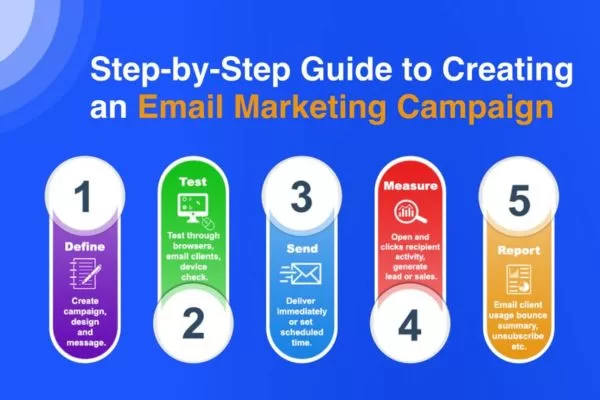
Seven practical steps for planning effective email campaigns
Case study: How Starbucks uses email campaigns to connect with customers
A well-known example of how to use email marketing effectively can be seen in the strategy applied by Starbucks, a global coffee brand that regularly communicates with its customers through personalized email campaigns designed to promote seasonal beverages, highlight new product launches, and encourage participation in its loyalty program.
These email campaigns are carefully tailored based on customer behavior, purchase history, and membership activity within the Starbucks Rewards system. For example, subscribers may receive emails promoting seasonal drinks such as Pumpkin Spice Latte or limited-time holiday offers. By using targeted email strategies, the company sends messages that include personalized drink suggestions, limited-time promotions, and reminders about reward points that can be redeemed during future visits.
Through consistent and well-timed communication, Starbucks successfully keeps its customers engaged with the brand while also encouraging repeat purchases and frequent store visits. This example clearly demonstrates how targeted email campaigns can strengthen customer relationships, maintain brand visibility, and support steady business growth.
Common questions about email marketing (FAQs)
Email marketing is widely used by businesses to communicate with customers and promote products or services. However, many people still have questions about how it works and how to apply it effectively.
How should businesses start email marketing?
The best way to start is by building a quality email list and choosing a reliable email marketing platform. Businesses should focus on collecting subscribers who are genuinely interested in their content or offers. Understanding how to use email marketing effectively also involves creating valuable content and sending emails consistently.
How many marketing emails should businesses send?
The ideal frequency depends on the business type and the audience. Many companies send emails once a month, while others may send them weekly if they have valuable content to share. The key is to maintain a consistent schedule without overwhelming subscribers.
Why should businesses segment their email audience?
Segmentation helps businesses send more relevant messages to specific groups of subscribers. Instead of sending the same email to everyone, companies can tailor content based on interests, location, or behavior. Knowing how to use email marketing with segmentation often leads to higher engagement and better campaign performance.
What elements make an email campaign successful?
A successful email campaign usually includes a clear subject line, valuable content, and a strong call-to-action. Good design, personalization, and proper timing also play important roles. These elements help encourage readers to open the email and take action.
How can email marketing support small business growth?
Email marketing can be a very effective channel for small businesses. It allows them to communicate directly with customers without spending large advertising budgets. Learning how to use email marketing can help small businesses build relationships, promote products, and increase long-term customer loyalty.
Conclusion
How to use email marketing effectively can help businesses build stronger relationships with their audience and improve marketing results. With the right strategy, brands can deliver relevant content, increase engagement, and drive more conversions over time. If you want to develop a more effective email marketing strategy, consider exploring professional support from On Digitals.
Read more