
Insights
A Friendly Guide to Understanding Influencer Marketing Rates Across Social Platforms
On Digitals
18/12/2025
45
The creator economy reached well over $100 billion in 2025, growing at rates that exceed 20% each year. This rapid expansion makes it essential for brands to understand influencer marketing rates so they can invest wisely without overspending. Costs shift across platforms because audience size, engagement levels like 2% to 5%, and content formats influence pricing.
Clear knowledge of these factors helps brands negotiate fair creator fees and build strong partnerships supported by confident and well planned budgets.
Deep dive: Key factors shaping influencer marketing rates
Before reviewing exact numbers, it is essential to understand what drives influencer rates. Creator pricing is shaped by clear factors, and these elements define what brands should expect to pay and how influencer marketing rates are set.
Audience size and tier differences
Follower count is one of the main factors shaping pricing, though the relationship is not always perfectly linear.
- Nano influencers (1,000–10,000 followers) typically charge $20–$500 per post depending on the platform. Their reach is smaller, but engagement often reaches 6–12%, creating strong trust and authentic community impact.
- Micro influencers (10,000–50,000 followers) usually charge $200–$5,000 per post while still delivering high engagement and solid value.
- Mid tier creators (50,000–00,000 followers) often fall in the $2,000–$25,000 range.
- Macro creators (500,000–2,000,000 followers) typically charge $25,000–$100,000.
- At the top level, mega creators (> 2,000,000 followers) generally start around $100,000 per post and can exceed $500,000, even though engagement frequently drops below 2%.
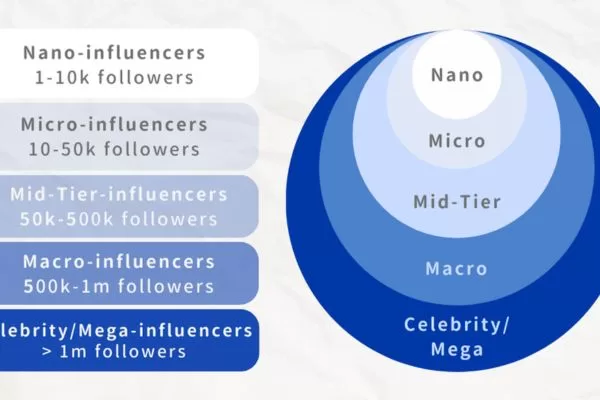
Audience size strongly influences influencer pricing across all creator tiers
Platform-based variations
Social media influencer rates vary significantly across platforms due to differences in user behavior and content formats.
| Platform | Typical Cost Range | Notes |
| $25 (nano) → $10,000+ (mega) per post | Reels and Stories cost 50–75% of main feed posts | |
| TikTok | Nano: $5–$200/video
Micro: $200–$1,200/video | Strong viral potential, efficient CPV, ideal for Gen Z |
| YouTube | $315 (small channels) → $20,000+ (large creators)Average: $2,102 | Highest production costs and longest viewer engagement |
| $25–$25,000 | Varies by creator tier | |
| X (Twitter) | Budget-friendly pricing | More affordable compared to other platforms |
| $20+ CPM | Professional audience, higher CPM | |
| Snapchat & Pinterest | Mid-range costs | Moderate pricing levels |
The most important goal is choosing the platform that aligns with your target audience and fits your budget expectations.

Influencer pricing differs sharply across platforms
Content format and production needs
The complexity and type of content significantly impacts pricing structures across all platforms. Here’s how different content formats affect influencer marketing rates:
| Content Format | Production Complexity | Typical Cost Impact | Best Use Cases |
| Static Image Posts | Low | Base rate | Product showcases, lifestyle content, quick announcements |
| Stories/Ephemeral Content | Low to Medium | 50-75% of post rate | Behind-the-scenes, time-sensitive offers, casual engagement |
| Short-Form Videos (Reels, TikToks) | Medium to High | 100-150% of post rate | Trending content, entertainment, product demonstrations |
| Long-Form Videos (YouTube) | High | 200-400% of base rate | In-depth reviews, tutorials, storytelling, brand integrations |
| Livestreams | High | Variable, often $500-$10,000+ | Product launches, Q&A sessions, real-time engagement |
| Podcast Integrations | Medium to High | $1,000-$50,000+ | Thought leadership, detailed storytelling, loyal audience engagement |
Content format and production complexity strongly influence influencer pricing
Short form video continues to lead in 2025, with Instagram Reels making up 30% of creator output and earning higher rates due to the added work of planning, filming and editing. Strong production quality allows creators to charge more than simple smartphone posts. Brands should expect video content to cost about 25% to 50% more than static images because of the greater time and effort needed to create engaging material.
Licensing, usage rights and exclusivity
One major factor in influencer rates is the cost of usage rights and exclusivity. Standard deals usually allow brands to share content only on the creator’s original platform, but using it in paid ads, on websites or in email campaigns requires extra fees. Brands must negotiate these rights clearly to avoid unexpected costs.
Usage rights and exclusivity significantly increase influencer pricing
Usage rights often add 50% to 100% to the base fee, with a 30 day whitelisting period adding about $500 to $2,000 and perpetual rights sometimes doubling or tripling costs. Exclusivity also raises pricing because creators give up other deals, usually increasing rates by 20% to 50%. A three month exclusive partnership may cost about 30% more, while a one year agreement can reach double the standard rate.
Campaign length and deliverables
The scope and duration of your campaign directly impact overall costs. Here’s how different campaign structures affect pricing:
| Campaign Type | Duration | Typical Deliverable Mix | Cost Structure | Strategic Advantage |
| One-Off Campaign | Single posting period | 1-3 posts across 1-2 platforms | Standard rates apply | Testing new partnerships, seasonal promotions |
| Multi-Post Campaign | 1-3 months | 4-8 posts across multiple platforms | 10-20% discount on per-post rate | Building sustained awareness, product launches |
| Quarterly Partnership | 3 months | 12-20 posts with varied formats | 15-25% discount on per-post rate | Seasonal campaigns, deeper audience connection |
| Long-Term Ambassador | 6-12 months | 30-50+ posts, exclusive partnership | 20-35% discount on per-post rate | Brand building, authentic integration, maximized ROI |
Short campaign costs scale with duration and deliverable volume
Brands often secure better pricing when they commit to multiple deliverables, and research shows that 71% of creators offer discounts for multi post campaigns while another 25% may consider it. Creators also benefit from stable income and longer partnerships. Costs rise when brands request mixed formats such as feed posts, Stories, Reels or a YouTube feature, but these combinations increase reach and engagement across more customer touchpoints.
Complexity of creative brief and production needs
Creative requirements have a strong impact on influencer marketing rates. Simple tasks such as basic unboxing need little extra work, while campaigns that require scripts, specific locations, pro lighting or detailed editing justify higher fees.
Detailed storyboards, multiple revisions, travel or event attendance, and coordination with photographers can add $500 to $5,000 or more to creator costs. Rush requests also increase pricing, with fast turnarounds of about 48 hours or peak holiday demands often adding 20% to 50% above standard rates.
Posting across multiple platforms and cross-promotion
Cross platform campaigns increase reach but also raise costs because each channel has different technical needs, posting times and content styles. A video made for TikTok must be reformatted for YouTube Shorts and edited differently for Instagram Reels, so creators invest more time to deliver strong results across platforms.
Cross-platform promotion increases reach but also raises creator costs
Research shows that platform combinations influence costs, with a YouTube video plus an Instagram Story averaging $12,007 and a blog post with Facebook content costing about $1,735. The priciest mix often pairs YouTube with Instagram posts or Reels. Brands can negotiate bundled deals because many creators offer 10% to 20% discounts for cross platform packages, while still adjusting content for each channel.
Rush fees and special requests
Timing plays a major role in influencer rates. Standard campaigns give creators about 2 to 4 weeks for planning, production and revisions, helping them deliver authentic content. When brands need faster turnaround, rush fees apply and overall costs increase.
Rush fees usually add 20% to 50% to the base cost, with a 72 hour turnaround adding about 25% and a 24 hour request sometimes doubling the rate. Extra tasks such as giveaways, event attendance, detailed analytics or custom graphics also raise pricing. Clear negotiation of these add ons helps both sides maintain a fair and sustainable agreement.
Influencer tiers and their typical pricing trends
Knowing the traits and pricing of each influencer tier helps brands choose creators who match campaign goals and budgets. Each tier delivers different value and requires different levels of investment, giving brands a clear path to plan spending and expected results.
Nano influencers (1K–10K followers)
Nano influencer rates offer the most affordable option, usually $20 to $500 per post, while delivering strong engagement of about 8% to 12%. Research shows that 65% of successful campaigns in 2025 include nano creators, compared with 48% in 2023, highlighting their rising strategic value.
Nano influencers deliver high engagement and strong value at low cost
Nano creators thrive in narrow niches and build strong trust, often accepting gifted deals but increasingly expecting payment. On TikTok they may charge $5 to $50 per video, with higher fees in valuable niches. Their cost efficiency allows brands to work with 20 to 30 creators instead of spending $10,000 on one macro partner, helping generate diverse content and deeper engagement across small communities.
Micro influencers (10K–50K followers)
Micro influencer rates deliver a strong balance of reach and affordability, with creators typically charging $200 to $5,000 per post. Instagram micro creators average about $600 per post, while TikTok micro creators earn $200 to $1,200 per video. Surveys show those with 5,000 to 25,000 followers charge $350 to $850 for TikTok, and those with 25,000 to 75,000 followers earn $1,000 to $3,000.
Micro creators offer professional quality while keeping strong audience trust, which is why 30% of brands choose them for better engagement. Their average engagement rate is about 4% to 6%, compared with 1% to 3% for macro and mega creators. This leads to stronger interactions and conversions, and micro influencers are often more flexible and collaborative, delivering content that supports both brand goals and audience needs.
Mid-tier and macro influencers
Mid tier creators with 100,000 to 500,000 followers usually charge $5,000 to $25,000 per post and operate as full time professionals with strong personal brands. They offer wide reach with engagement of about 2% to 4%, making them effective for campaigns that need broader visibility while keeping some level of authentic audience connection. Note that as follower counts grow, engagement percentages naturally tend to decline as the audience becomes less niche and organic reach is spread across a larger base.

Mid tier and macro influencers trade higher reach for lower engagement efficiency
Macro creators with 500,000 to 2,000,000 followers often charge $25,000 to $100,000 per post and act as major online personalities suited for broad awareness campaigns. They deliver strong reach but engagement usually drops to about 1% to 3%, so the cost per interaction can be high. Many brands balance their strategy by using macro creators for visibility while relying on smaller creators for stronger engagement and conversions.
Celebrities and top creators (Mega-influencers)
Mega creators with more than 2,000,000 followers start at $100,000 and can exceed $500,000 per post, often working through agents and multi post agreements. These celebrity level partnerships demand major investment but deliver huge reach, cultural visibility and strong brand recognition.
Mega creators often deliver engagement below 2%, so while reach is massive, interactions are relatively low. They also offer limited flexibility and may appear less authentic when promoting many products. Brands use them best for major launches or market entry, then rely on mid tier and micro creators to drive engagement and conversions for a full funnel impact.
Influencer rates by platform: What brands can expect
Platform choice strongly shapes audience reach, content performance, and overall influencer marketing rates. Each network has its own pricing structure and demographics, so brands should understand what they will spend and the results they can expect before investing across different channels.
Instagram influencer rates
Instagram influencer rates stay high, with nano creators charging $25 to $150 per post and micro creators earning $250 to $5,000. Mid tier influencers range from $1,600 to $10,000, while macro creators typically charge $5,000 to $25,000. Mega creators start at $10,000 and can exceed $50,000 for a single post.
Instagram influencer rates remain among the highest across social platforms
Instagram pricing varies by format, with Stories costing about 50% to 75% of a standard post and Reels reaching 100% to 150% due to higher production needs and stronger reach potential. Many creators offer bundles with 10% to 20% discounts for combining posts, Stories, and Reels. With over 2 billion monthly users and strong shopping features, Instagram delivers high value for visual industries that rely on engagement and performance data.
TikTok influencer rates
TikTok influencer rates continue to rise, with nano creators charging $5 to $200 per video and micro creators earning $200 to $1,200. Mid tier TikTok influencers typically cost $2,000 to $8,000, while macro creators range from $8,000 to $25,000.
Mega creators can demand $25,000 to $50,000 or more, and top celebrities often exceed $100,000 for a single sponsored post.
TikTok influencer rates keep rising as its viral algorithm drives strong ROI
TikTok stands out thanks to an algorithm that can push any video viral, even from creators with small followings. A strong TikTok from a micro influencer can reach over 500000 views and deliver impressive ROI.
Research highlights that creator costs scale differently: nano creators may average 18,633 views per video at an estimated CPV range of $0.50 to $1.00, while mid-tier creators, achieving higher volumes like 69,281 views, often reduce the unit cost to around $0.20 to $0.30 CPV.
Success depends on creative short-form videos, trending audio, and good timing. TikTok Shop also enables commission based partnerships so brands can test campaigns with lower upfront costs and creators can earn more based on performance.
For Gen Z and young millennials, TikTok offers authenticity, entertainment, and viral potential that supports its competitive pricing.
YouTube influencer rates
YouTube influencer rates are the highest because video creation requires significant time, equipment, and editing skill. The average sponsorship is $2102, with nano creators around $315 per video, micro creators from $782 to $3000, mid tier creators from $3000 to $10000, and macro creators from $10000 to over $50000. Some creators charge $50 to $100 per 1000 views, which can benefit brands when partnering with channels that generate strong and consistent view counts.
YouTube influencers command the highest rates
YouTube’s long form format supports videos that often run 8 to 20 minutes, giving space for detailed demos and reviews that feel natural. Viewers engage for long periods, and videos keep gaining views for months or even years. The platform reaches 62% of Americans daily and 92% weekly, with influencer marketing spend in the U S hitting $986 million in 2024. Different content types bring different costs, with simple product placements priced lower than full reviews or unboxing videos. Sponsored segments inside long videos add another pricing model, and brands that secure usage rights can repurpose the content to increase the value of their investment.
Additional social channels
Facebook influencer rates typically start at $25 to $250 for nano creators and can reach $25,000 for top talent. Although Facebook offers lower organic engagement than Instagram or TikTok, it remains effective for reaching older audiences. Many creators stay active on both Meta platforms, allowing brands to secure cost efficient bundled deals that increase overall campaign value.
Facebook influencer rates deliver cost-efficient reach
X offers budget friendly influencer pricing at about $2 per post per 1,000 followers, with nano creators charging around $20 and top accounts reaching $2,000. LinkedIn often exceeds $20 CPM thanks to its high value professional audience. Twitch sponsored videos average $4,373 and Pinterest posts average $1,450 with trends lasting 2x longer. Success on these additional channels depends on matching audience behavior with creators who maintain strong and authentic communities.
Practical steps to estimate influencer rates
Moving from general benchmarks to specific campaign budgets requires systematic evaluation of multiple factors. Here’s how to estimate realistic costs for your influencer marketing initiatives.
Basic cost estimation model
A practical way to predict influencer costs is to use an engagement-based formula that reflects how actively the audience interacts.
A common approach:
Cost ≈ Average engagement per post × market CPM × number of deliverables
Example:
- 5,000 engagements
- $10 CPM
- 3 posts
→ Estimated cost: ~$150, giving brands a clear baseline before negotiations.
Another method uses follower count with a simple multiplier such as:
$100 for every 10,000 followers
Example:
- Creator with 30,000 followers → $300
→ The price can increase to $500–$800 if they have: - stronger engagement
- video production requirements
- usage rights included
The average CPM in 2024 is $4.63, offering an additional benchmark. With 50,000 impressions, the projected cost is roughly $231.

Engagement-based formulas offer quick influencer cost estimates
Note: These are only starting points — niche expertise, audience quality, content strength, and creator reputation can all influence the final rate.
Reviewing influencer rate cards and media kits
Professional influencers often share rate cards or media kits that reveal how they price their work and what services they include. When reviewing them, check audience demographics such as age groups, gender split, locations, and interests to ensure they match your targets. Evaluate engagement carefully and aim for rates around 2% to 6% as strong indicators of real community connection, while being cautious of unusually high numbers that may signal inflated or inauthentic activity.
Review past brand partnerships and measurable results, since creators who share case studies show strong professionalism and confidence. Request samples of sponsored content to assess quality and brand alignment. Clarify what each quote includes, such as usage rights, revisions, or cross platform posting, so unexpected costs do not inflate your final investment. Compare multiple creators in similar niches to identify fair pricing and spot outliers, ensuring you negotiate from an informed and mutually respectful position.
How to negotiate influencer rates effectively
Mastering how to negotiate influencer rates requires balancing budget consciousness with respect for creators’ time and expertise. Smart negotiation creates win-win partnerships where both brands and influencers feel valued and motivated to produce exceptional results.
Start with clear goals and KPIs
Define clear goals before negotiating so you know whether you want awareness metrics like impressions and reach, engagement targets such as 2% to 6% interaction, traffic boosts, or conversion growth tied to real sales. Your objectives shape which creator tier fits your budget, since macro influencers offer broad visibility while micro creators often drive stronger response. When you share specific KPIs, influencers can tailor deliverables and propose content that aligns with expected returns, creating partnerships that justify every $ invested and improve performance across all % based metrics.
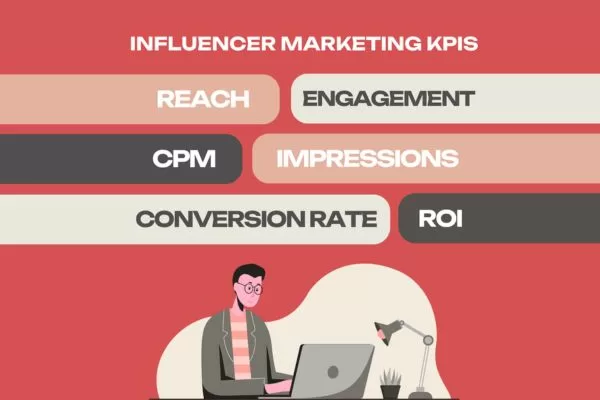
Clear KPIs guide smarter influencer selection and more effective negotiations
Build long-term creator relationships
Long-term partnerships are a powerful negotiation tactic since 71% of influencers provide discounts for multi-post deals, often saving brands 15% to 35% on quarterly or yearly commitments. These extended agreements lower per-post costs, create consistent messaging, and strengthen creator associations with your products, while influencers gain stable income and deeper product familiarity. You can propose tiered payments that rise after strong initial results and discuss category exclusivity, which gives influencers priority access and justifies better pricing than one-time campaigns, making every $ spent more efficient.
Offer more than cash compensation
Smart brands know compensation goes beyond cash, and combining payments with perks can boost appeal while reducing spend. Product gifting is especially effective for nano and micro creators when items match their lifestyle. A $500 product paired with a $500 payment feels more valuable than $1,000 cash, even though the brand’s real cost stays nearly the same.

Perks and incentives make influencer deals more cost-efficient
Experiential perks strengthen influencer relationships by offering exclusive events, early access, and unique content opportunities that competitors cannot match. These experiences build authentic enthusiasm and elevate sponsored content quality. Commission structures with 10% to 20% payout on generated sales reduce upfront costs while rewarding strong performance. Bonus incentives tied to engagement, traffic, or conversion targets create win-win motivation for influencers to deliver exceptional results.
Compare proposals using consistent metrics
Use a consistent evaluation system to compare influencers by true value instead of price or follower count. Calculate cost per engagement by dividing proposed rates by average interactions to see which creator delivers more impact per $. Check audience alignment because 10,000 relevant followers can outperform 100,000 unrelated ones. Score content quality, style fit, and past sponsored results to predict performance. A simple weighted scoring model brings objective clarity and helps allocate budgets for maximum ROI, not just reach.
Consider affiliate or hybrid payment options
Hybrid payment models are becoming a major trend in 2025 as brands refine influencer marketing rates. Over 50% of marketers now use reduced base fees combined with performance incentives, such as offering $300 upfront instead of a $1,000 flat fee plus a 10% commission on revenue beyond $300. This approach lowers financial risk for brands while giving influencers unlimited earning potential tied to results. When framed as a collaborative opportunity with clear conversion data and fair expectations, this model works especially well for DTC brands with trackable sales, though impressions-based bonuses can support awareness campaigns where attribution is less direct.

Hybrid payment models reward results while reducing upfront spend
How to lower costs without sacrificing quality
Budget optimization doesn’t require compromising campaign effectiveness. Strategic approaches allow brands to maximize influencer marketing ROI while respecting fair creator compensation.
Work with nano and micro influencers
The smartest way to cut costs is to shift spend toward nano and micro influencers rates, since these tiers deliver engagement levels often 5x to 10x higher than larger creators. Instead of putting $10,000 into one macro post, brands can split that budget across 20 to 30 smaller influencers, generating broader niche reach and more authentic interactions. This multi-creator approach often matches macro reach while producing far stronger engagement, and nano and micro creators tend to be more flexible and deeply invested in delivering high-quality content that drives results.
Repurpose influencer content across channels
Maximizing value from influencer partnerships means repurposing content across multiple channels after securing usage rights. Brands can reuse creator videos and images on websites, emails, social pages, paid ads, and retail displays, often boosting trust and conversions. A $2,000 video that earns 50,000 views and later drives 500,000 impressions through $1,000 in paid ads delivers far stronger ROI than its initial performance alone. This multi-channel strategy extends content lifespan and turns a single asset into long-term marketing value.
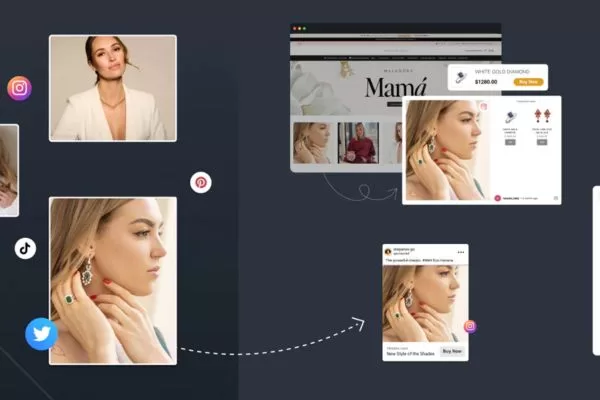
Repurposing influencer content multiplies reach and long-term ROI
Use tools to streamline collaboration
Influencer marketing platforms streamline operations by automating discovery, outreach, contracts, payments, approvals, and analytics, enabling teams to scale without adding extra staff. Tools like Modash, Aspire, and Creator.co reduce errors and save significant time, making subscription fees or percentage cuts worthwhile for brands running year-round programs. Their data insights reveal which creator types and formats drive the strongest results, helping optimize budget allocation with performance-based decisions rather than assumptions.
Offer long-term partnerships for discounts
Long-term partnerships offer powerful savings of 20% to 35% while creating authentic brand alignment. Brands can negotiate commitments with clear timelines and deliverables, then reward loyalty through 10% to 15% rate increases at each renewal. Adding performance benchmarks that unlock bonuses ensures incentives stay aligned. This stable structure reduces prospecting time, streamlines production, and supports seasonal flexibility, resulting in partnerships that feel genuine rather than transactional.

Long-term influencer partnerships cut costs and build deeper brand loyalty
How to set a smart budget for influencer campaigns
Strategic budget planning ensures your influencer marketing investments generate positive returns while supporting scalable growth.
Define your objectives and buyer journey stage
Budget allocation should match each stage of the customer journey. TOFU awareness efforts often direct a larger share toward macro and mid-tier creators to maximize impressions, even when engagement drops below 2%. MOFU consideration content benefits from micro and mid-tier influencers who deliver detailed reviews and tutorials that improve evaluation quality. BOFU conversion campaigns perform best with micro and nano creators whose audiences show strong purchase intent and convert at higher rates, especially when supported by 10% to 20% affiliate incentives and trackable discount codes. Spreading investment across all stages ensures consistent messaging that guides customers from first touch to final purchase.
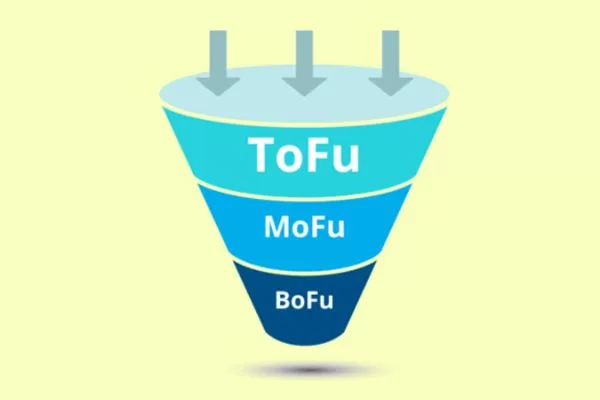
Align budget with your goals and the customer journey stage
Select the right influencer tier for your goals
Budget allocation should match each tier’s strengths and your available resources. Nano creators fit brands working with under $5,000, niche products, and campaigns prioritizing authentic engagement over reach. Micro influencers suit most mid-sized brands with $5,000 to $50,000 budgets and deliver strong engagement-to-cost efficiency plus consistent content. Mid-tier and macro creators work best for budgets above $50,000, major launches, and broad awareness goals in crowded markets. Mega influencers and celebrities require six-figure budgets but help drive cultural visibility and global credibility when paired with micro tiers for conversions. Many brands overspend on high-reach creators and overlook micro influencers who drive higher conversion rates and stronger ROI.
Estimate expected ROI and lifetime value
Project ROI before finalizing budgets by estimating customer acquisition cost through total spend divided by expected new customers, then comparing it with other channels. Include customer lifetime value since a buyer worth $500 acquired for $50 delivers a 10:1 ROI. Industry data shows influencer marketing returns about $5.78 for every $1 spent on average. Expect early campaigns to underperform and plan 6 to 12 months of optimization. Use promo codes, affiliate links, dedicated landing pages, and UTM tracking to attribute sales accurately and guide future budget decisions.

Estimate ROI and customer lifetime value before budgeting
Account for operational and production costs
Your influencer marketing budget must cover more than creator payments. Production work, product shipping, and platform or agency fees often take 10% to 30% of total spend. Legal support for usage rights and disclosures plus team time for management add further costs. Smart brands reserve 20% to 30% of their overall influencer budgets for these operational needs so creator payments do not consume the full investment.
Plan usage rights and amplification budget
Repurposing influencer content requires budgeting for extra value. Usage rights often add 50% to 100% to base rates, while whitelisting fees can increase costs by another 20% to 50%. Brands should set paid amplification budgets equal to 50% to 100% of content creation costs. For example, a $10,000 production investment typically needs an additional $5,000 to $10,000 for paid distribution. This approach converts organic creator content into high performing paid assets that deliver stronger reach and engagement for improved ROI.
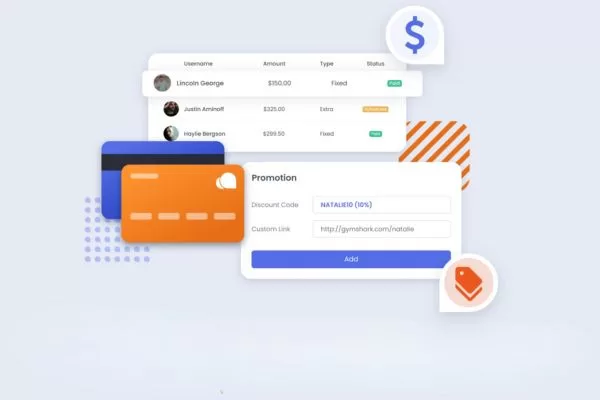
Plan usage rights and amplification to maximize content value
Final thoughts
Understanding influencer marketing rates requires balancing data insights with genuine creator relationships. Even with clear pricing ranges such as $500 to $5,000 per post or engagement benchmarks of 2% to 5%, the real value comes from respecting the creator’s time and reputation. Strong campaigns grow from fair compensation, clear communication, and aligned goals that help both brands and creators benefit.
As you work with influencer rates, focus on maximizing value instead of chasing the lowest cost. A creator with a 3% engagement rate may outperform one priced at $20,000 despite higher reach. Prioritize audience fit, brand alignment, and long term collaboration potential. When executed well, strategic influencer partnerships drive measurable ROI, strengthen community trust, and support the creator economy that powers this $21 billion industry.
Ready to elevate your brand’s digital presence? Partner with On Digitals — your trusted agency for SEO, content marketing, web development, branding, social media management, and performance-driven digital advertising. Whether you’re aiming to boost visibility, drive conversions, or build long-term brand authority, our team delivers tailored solutions that help you grow with confidence. Start your journey to smarter, stronger digital marketing today — choose On Digitals.
Recommended Posts
Read more