
Insights
Brand Identity Design Explained: Strategy And Real Examples
On Digitals
08/01/2026
15
Brand identity design is the foundation that shapes how a brand is perceived, remembered, and trusted by its audience. Through cohesive visuals and clear messaging, it creates emotional connections while reinforcing credibility and long-term value.
Let’s craft a distinctive identity that captures your story and elevates your brand with confidence.
How is a brand identity design described?
Your brand identity design includes every visual element that represents your business to the outside world. It combines how people perceive your brand with the visual assets that shape said perception. From logos to colors and layouts, these elements work together to tell your story. Most importantly, they are a part of the first impression customers have of your business.
At its core, visual brand design expresses your company’s personality and character. It signals whether your business is reliable, professional, bold, or capable of managing large-scale responsibilities. Strong visuals communicate values, quality, and credibility without the need for words. This is why leading firms invest heavily in cohesive logos and corporate graphics that reinforce trust.
In today’s digital-centric environment, visuals play a decisive role in attracting attention. When audiences primarily interact through websites, search engines, and catalogs, branding must be distinctive to stand out. While high-quality content matters, it is visual identity that captures interest instantly. A compelling design ensures your brand is noticed, remembered, and taken in the way you wanted right from the shelf or whichever spot your customers discover you.
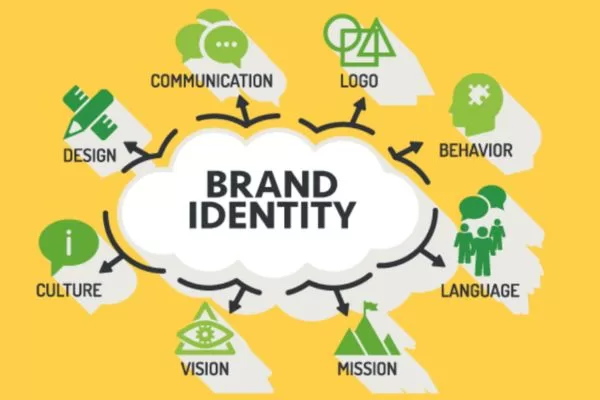
How a brand identity design is defined and perceived
5 key competitive advantages of great brand identity design
A strong suit does more than look good—it creates real business value. Below are five key competitive advantages that help brands stand out, build trust, and grow sustainably:
Value
Strong visual brand identity design delivers clear competitive value by shaping how a company is perceived from the very first interaction. Professional branding signals stability, confidence, and reliability, helping audiences trust your business more quickly. Poor design, on the other hand, can raise doubts about competence and credibility, especially in industries that demand precision and accountability like IT, healthcare, and finance. In many cases, a well-crafted logo and website directly influence whether a customer chooses to engage or walk away.
A powerful example of visual branding driving perceived value is AD, the leading marketing and buying group for construction and industrial suppliers. AD enables its members to consistently communicate professionalism and partnership value thanks to the consistent values offered their brand identity. This cohesive visual identity reinforces trust not only in individual members but also in the AD brand itself.
Unity
A strong brand identity design creates a sense of unity and consistency across every customer touchpoint. When visuals remain consistent on websites, at events, and in email campaigns, audiences can instantly recognize and remember the brand. This cohesive presentation builds familiarity and strengthens trust over time. As a result, customers feel more confident engaging with a brand that looks professional and well-organized.
On the other hand, inconsistent visual execution often leads to confusion and weak brand recognition. When logos, colors, or layouts differ across business cards, vehicles, and signage, it becomes harder for customers to connect the brand elements together. Maintaining consistency requires clear guidelines, including knowing the correct logo sizes for each application. Proper sizing ensures the brand stays clear, recognizable, and effective across both digital and print platforms.
Investment
Brand identity design reflects the pride and care you invest in your business from the very first impression. When customers notice the effort put into your visual presence, they are more likely to trust your commitment to quality and service. Even small details, such as a thoughtfully designed business card, communicate professionalism and passion. This level of attention reassures clients that you value every part of your business and their experience.
Recognition
Brand recognition develops through repeated exposure to a consistent and recognizable visual experience. When visual elements follow a unified system, audiences can quickly identify the brand and remember it over time. Consistency across platforms reinforces familiarity and builds long-term trust, helping companies understand how to build a strong brand identity. Each interaction becomes a reinforcement of the same visual message.
FedEx demonstrates how effective brand identity design works across a complex corporate structure. Even with more than a dozen divisions, each brand is clearly part of the FedEx family through subtle color shifts and icon variations. This balance between consistency and distinction allows individual units to stand out without losing cohesion. As a result, customers associate every division with the same values and service standards.
Differentiation
One of the strongest reasons to invest in high-quality visual branding is to stand apart in a crowded market. In industries where many businesses offer similar services, a thoughtfully designed brand can become a powerful differentiator. Instead of blending in with competitors, a distinctive visual identity helps a company capture attention and stay memorable. Often, standing out simply requires creativity and the confidence to break away from common design patterns.
Gerrard Excavating is a strong example of how strategic branding drives differentiation. By choosing to move away from the typical excavator imagery, the company built a fresh, recognizable look that better represented its values. This rebrand extended beyond a logo to vehicles, uniforms, signage, and internal materials, creating a fully unified presence. As a result, the company achieved greater recognition and credibility through a strong brand identity design.
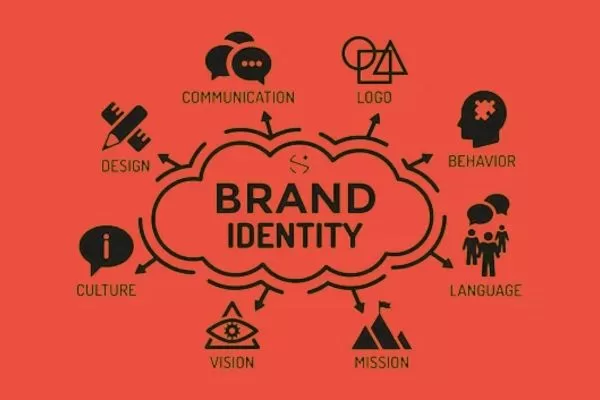
Five competitive benefits of a strong visual identity
A practical approach to designing a high-impact brand identity
Creating a high-impact brand identity design plays a critical role in shaping a brand’s success. For those beginning their design journey and aiming to build lasting, recognizable identities, understanding the fundamentals is essential for learning how to create a brand identity. This content explores what visual branding truly means and why it matters. It also outlines the key components and practical steps needed to develop a strong, effective brand identity that leaves a lasting impression.
Main elements
Brand identity design is made up of several essential components that work together to shape how a brand is seen and remembered. Each element plays a unique role in building recognition, consistency, and emotional connection with the audience.
- Logo: Acts as the primary visual symbol of the brand and is often the most recognizable element. A strong logo is clear, distinctive, and closely aligned with the brand’s values and positioning.
- Typography: Represents the selection and consistent use of fonts across all brand communications, helping convey the brand’s personality, tone, and overall style to its audience.
- Color palette: Includes the core colors associated with the brand. A well-defined color system communicates emotion, reinforces personality, and improves visual consistency across platforms.
- Tagline: Serves as a concise expression of the brand’s key message. An effective tagline is memorable and quickly communicates the brand’s essence or promise.
Imagery: Encompasses photography, illustrations, and graphic styles used by the brand. These visuals should align with brand values and support the overall story and identity.
When applied consistently, these elements form a cohesive system that strengthens brand recognition and builds lasting trust with consumers.
Read more: Fonts for Logos: What Are the Best Picks for 2025?
Step-by-step procedure of building a brand identity design
Brand identity design is not created by chance – it follows a clear, strategic process to ensure consistency and long-term impact. Below is a structured approach that helps transform brand insights into a cohesive and recognizable identity:
Recognize what drives your brand’s purpose
Before any design work begins, it’s essential to fully grasp what the brand represents to guide in creating a brand identity. This involves exploring the brand’s mission, core values, background, and long-term vision. In-depth discussions with stakeholders help uncover the brand’s purpose and direction. These insights form the foundation for every design decision that follows.
Review competitor strategies closely
Studying competitors helps reveal industry patterns, visual trends, and common design choices. By identifying what others are doing well and where they fall short, you can spot opportunities to stand out. This step prevents imitation and encourages originality. A strong identity is often built by differentiating, not following.
Develop a clear brand strategy
A defined brand identity design strategy clarifies how the brand should be positioned and perceived in the market. It establishes personality traits, tone of voice, and core messaging that shape communication. With this direction in place, design decisions become purposeful rather than subjective, supporting long-term brand identity development. The strategy serves as a guiding framework for all visual elements.
Design a clear brand strategy
Visual elements bring the strategy to life through color, typography, and logo design, as well as other elements in between like taglines and additional imagery. Colors should reflect the brand’s character and evoke the right emotions. Fonts must align with the brand’s voice while remaining readable across formats. The logo should be simple, memorable, and representative of the brand’s core identity.
Establish brand guidelines
Brand guidelines document how all visual elements of brand identity design should be used. They ensure consistency across platforms, teams, and future applications. Clear rules help protect the integrity of the brand’s appearance and serve as a practical brand identity template. This step turns design decisions into a practical, scalable system.
Apply, review, and refine
Once implemented, brand guidelines should be actively used and regularly evaluated. Monitoring audience perception helps identify when updates are needed, which is important for developing a brand identity over time. Adjustments may be required as the business evolves or enters new markets. Continuous refinement keeps the brand relevant and aligned with its goals.
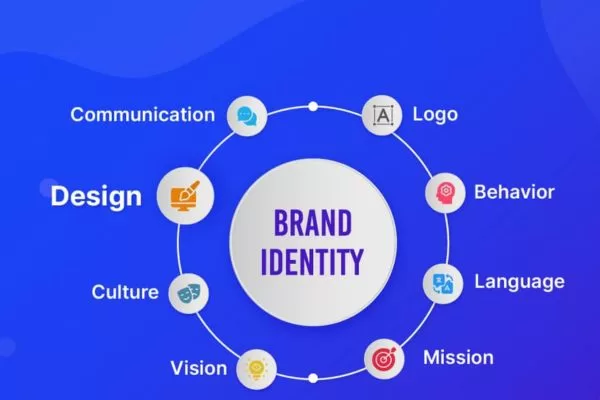
A practical framework for building a powerful brand identity
4 inspiring examples of strong brand identity design
Exploring brand identity examples can be a valuable starting point when shaping your own visual identity. You don’t need to begin with a blank slate—studying well-executed brands offers insight into what works and why. While originality is essential, learning from successful brands can spark ideas and refine your creative direction. Drawing inspiration from proven examples helps you build a distinctive identity with confidence and purpose.
Hootsuite
Many modern tech brands rely on clean, functional visuals that prioritize simplicity over character, which can make them blend together over time. Hootsuite breaks away from this pattern through a refreshed look that brings warmth and personality into the platform. This shift in brand identity design introduces richer color and a more expressive tone, making the brand feel welcoming and relatable. As a result, Hootsuite stands out as more human, approachable, and emotionally engaging in a crowded tech space.
Kodak
Some of the strongest rebrands happen by revisiting a brand’s roots. By bringing back the iconic red “K” and updating it with a clean sans-serif typeface, Kodak created a look that feels both modern and familiar. This refined brand identity design shows how small changes can deliver meaningful impact. The clear guidelines also make it easy to understand the brand’s evolution and proper usage.
Burt’s bees
In an industry dominated by bold, glossy, and high-end visuals, Burt’s Bees takes a refreshingly understated approach. Its use of soft color tones and hand-drawn illustrations featuring the founder reinforces an authentic, human feel. This grounded aesthetic reflects the brand’s commitment to nature and its mission to create products that are environmentally responsible.
Apple
Apple is a standout example of a brand that has built a powerful identity and strong customer loyalty. Steve Jobs was famously meticulous, spending significant time testing products and shaping design decisions. He also had a sharp instinct for Apple’s messaging and marketing touchpoints. This consistency helped the Apple logo remain largely unchanged, making it so recognizable that many people can accurately redraw it.
Although working with Jobs was reportedly challenging, his influence was central to shaping Apple’s image as a premium, forward-thinking technology brand. To compete with Microsoft and IBM, Apple positioned itself as anti-establishment and outside the mainstream. This mindset was famously captured in the 1983 MacIntosh advertisement inspired by George Orwell’s 1984. That bold positioning became a defining part of Apple’s brand identity design and long-term success.
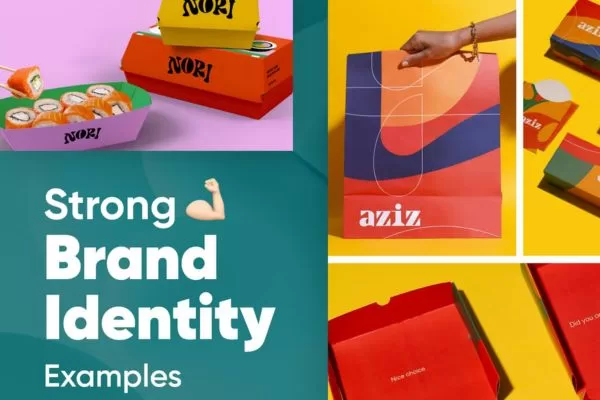
Four inspiring examples of effective visual branding
How to measure your brand identity design effectiveness
You can’t optimize what you don’t evaluate, which is why measuring brand identity design performance is essential. Tracking its effectiveness ensures every visual and messaging element contributes meaningfully to clear, measurable business goals.
Brand awareness
Measure brand visibility by tracking direct and referral traffic, along with meaningful social signals like shares and mentions. Tools such as Google Trends and social listening platforms reveal search interest and share of voice versus competitors. Low results indicate a need to boost exposure and reinforce brand identity design consistency.
Customer perception
To understand how your brand is perceived, gather direct feedback instead of relying on assumptions. Use short brand perception surveys, NPS, and post-purchase CSAT to measure sentiment and loyalty. Social listening tools help analyze the tone of online conversations around your brand. When perception doesn’t align with intent, adjust your brand identity design and messaging accordingly.
Evaluating company growth and finances
Strong branding ultimately reflects in tracking organizational results and revenue. Compare marketing spend with revenue, acquisition costs, and customer lifetime value over 3, 6, and 12 months. If conversations stall, visuals may be adequate but lack persuasive power. When sales grow without increased ad spend, it’s a clear sign your visual brand identity is driving impact behind the scenes.
Share of voice & brand visibility
Tracking conversations across media outlets and industry blogs helps reveal how visible and memorable your brand truly is. Increased discussion often indicates a compelling presence that naturally encourages word of mouth. While no single metric tells the full story, combining these signals provides a clearer performance picture. This holistic view shows whether your brand identity design is effective or needs refinement.

Methods to measure visual identity performance and impact
Conclusion
Brand identity design defines how your brand is seen, remembered, and trusted across every touchpoint. It brings together visuals, messaging, and personality to create a cohesive and recognizable presence in the market. Let On Digitals help you build a strong, impactful brand identity that sets your business apart.
Related posts:
Read more