
Insights
First Party Data – All Things You Need To Know Most!
On Digitals
22/12/2025
35
First party data is emerging as a powerful asset in today’s digital marketing landscape, giving brands deeper and more authentic audience insights. With rising concerns over privacy and data transparency, marketers are seeking information they can truly own and trust.
This article explains what data is, why it matters, and how businesses can use it to drive smarter, more effective marketing strategies.
All information about first party data in detail
First party data refers to information that brands gather straight from their own customers and audiences through owned channels like websites, mobile apps, or email campaigns. For instance, when a customer opens a marketing email and interacts with a link inside it, the activity is logged through the brand’s system.
Some common forms of first party data include:
- Demographic information: such as gender, age, or location when users willingly provide it
- Purchase behavior: including order history and spending patterns
- Digital activity: page viewed, features used, or time spent on a website or app
- Communication habits: subscription settings and engagement with newsletter or messages
Detailed insights on first-party data
Value first party data brings to businesses
After collecting data directly from your audience, it’s important to put it into action. When properly analyzed and applied in your marketing efforts, these insights can unlock a wide range of advantages.
Stronger ROI outcomes
Thanks to its high level of accuracy, first party data generates a more efficient return on investment compared to third party data sources. It enables brands to target ads more strategically, resulting in improved conversions and greater marketing ROI.
Refined user profiles with better audience segmentation
With fresh and reliable first party data collected directly from your audience, you can create more accurate customer profiles and segment them with greater precision. These insights help forecast buying behavior and shape personalized marketing efforts. By analyzing factors such as interests, spending habits, and budget, brands can pinpoint their most valuable customers and recommend the right products to similar prospects who are likely to convert.
Advanced tailored engagement
Tailoring experiences for your audience has become a core marketing expectation. Using data collected directly from users allow you to customize website content, messages, and emails based on real behaviors rather than assumptions. For example, you can reference past purchases to suggest complementary products, design shopper-specific guides or email content, or even present different versions of your site to distinct audience groups depending on what they’re interested in.
High-quality support for more joyful experiences
Leveraging first party data makes customers feel recognized and simplifies their shopping experience through tailored interactions. These insights also strengthen customer support channels, such as chat assistance, by giving teams the context they need to respond more quickly and accurately. Beyond service, brands can use available data to optimize logistics – like placing fulfillment centers closer to key customer locations – resulting in faster deliveries and happier shoppers.
Trustworthy and legally compliant data handling
When brands obtain proprietary data with clear customer permission, it aligns with global privacy standards and legal requirements. Because the information is gathered transparently and directly from users, it helps reduce the consent challenges and ethical worries often linked to relying on outside data sources.
Highly relevant customer-driven messaging
When brands rely on insights gathered directly from real customer actions and interests, their marketing communication becomes far more accurate and meaningful. For example, a streaming platform can personalize recommendations based on what someone has previously watched, while avoiding suggestions the user has already viewed.
Greater depth in customer knowledge
First party data gives businesses a richer, more detailed understanding of their audience because it can be linked directly to individual customers and analyzed across multiple touchpoints. Leveraging this data for segmentation also helps brands reach wider groups of users while still preserving precise and meaningful insight into their behaviors and needs.
Benefits of first party data for brands
How to collect first party data quickly and effectively?
Brands seeking to strengthen their online store should prioritize collecting data directly from their customers through reliable first-party sources. Let’s explore practical strategies to gather data effectively, enhancing insights and driving future sales growth.
Install website tracking and analytics systems
Leverage website tracking tools, such as Google Analytics or Matomo, to systematically capture first party data on how users interact with your site, their preferences, and engagement patterns.
These tools allow you to measure key metrics, including the pages visitors frequent, how long they stay, and the content they enjoy most. Advanced features like event tracking can also monitor specific actions, such as form submissions or product purchases.
By collecting this first party data, you gain detailed insights that not only enhance the user experience but also support data-driven decisions and strategic planning based directly on your audience’s behavior.
Collect customer opinions through online surveys
In today’s digital era, customers hold significant influence, and their opinions truly matter. Negative reviews, in particular, can greatly impact a business, with around 87% of consumers reportedly reconsidering a purchase after encountering unfavorable feedback online. Tap into this valuable resource by conducting targeted surveys among existing customers and potential leads.
Although achieving a 100% response rate can be difficult without incentives, offering rewards encourages participants to share meaningful insights. These authentic, first-hand responses serve as a rich source of first party data, helping brands refine products, improve services, and shape overall business strategies.
Motivate users to share data through rewards
As noted, customers appreciate being rewarded when they provide their information. Offer incentives such as discounts, exclusive access, or loyalty points in exchange for their data. For example, a retail brand could give a special discount on a customer’s next purchase, while a subscription service might grant early access to new features.
This strategy not only encourages greater user participation but also creates a mutually beneficial scenario: customers receive tangible rewards, and businesses collect valuable first party data to inform marketing, product, and service decisions.
Drive user sign-ups with benefits
Boost the collection of proprietary data by encouraging users to create accounts. Highlight the advantages of signing up, such as personalized recommendations, seamless shopping, and easy order tracking. For example, an eCommerce site could showcase that registered users receive exclusive promotions or early access to new products.
By emphasizing these benefits, users are more likely to share valuable information during registration. This approach not only strengthens engagement but also supplies your business with critical first party data for marketing and strategic decisions.
Facilitate online events for direct user interaction
Engage your audience by organizing webinars or virtual events that allow for direct interaction. Include Q&A sessions, collect participant feedback, and provide valuable, real-time content. For example, you could run a live session to introduce new features, answer user questions, and gather insights on their preferences and needs. This interactive approach not only shares information effectively but also generates valuable first party data to inform future strategies.
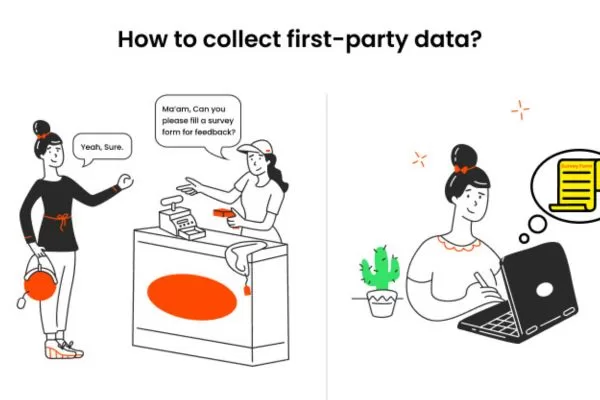
Approaches to efficiently gather first-party data
Why should firms use first-party data to enhance marketing strategy?
Now that we understand what first party data is, it’s important to explore how, when and why it should be used. The primary reason businesses are shifting to this type of data today is that third party cookies, which have traditionally tracked customer behaviour, are increasingly being blocked by browsers to protect user privacy. While not all third-party cookies are blocked yet, relying on first party data marketing is a forward-thinking solution for sustainable digital marketing.
Advertising using first party data has also become popular across commercial platforms. Personalizing emails and SMS based on this data allows brands to offer products tailored to a user’s browsing and purchase history. Websites can also provide dynamic, customized experiences driven by proprietary data, creating a customer-centric environment that enhances engagement and satisfaction.
Finally, customers feel more secure when a first party data consent center is provided, allowing them to manage and update their preferences anytime. By collecting only the information users have explicitly agreed to share, brands comply with GDPR/CCPA regulations, build greater trust, and foster stronger interactions that can lead to higher conversion and long-term loyalty.
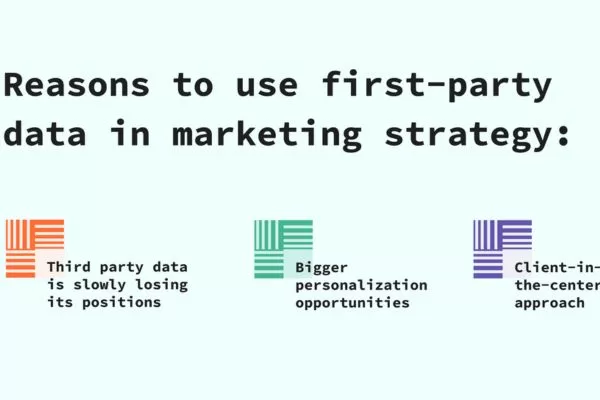
Utilizing first party data to drive marketing success
Steps to craft an effective directly collected data strategy
Creating a first party data strategy involves five key, sequential steps. However, it’s not a one-off task – it should be reviewed and updated regularly to adapt to changes in operational practices and regulatory requirements. The process can be broken down into the following five essential steps:
Examine collected proprietary data
Customers often share valuable first party data naturally during their interactions with your business. The first step in leveraging this data is to identify where it resides, which can be done effectively by mapping the client journey. This helps pinpoint all touchpoints where data is collected.
Set goals for directly collected data use
Next, take a step back to establish the goals for your first-party data strategy. Ask what you aim to achieve with the data. Examples include:
- Reducing customer churn
- Expanding a loyalty program
- Managing surplus inventory
- Maximizing customer happiness across the board
All objectives should be specific, measurable, and aligned with the insights you gather from proprietary data.
Apply digital tools for first-party data collection
After identifying gaps in your data, the next step is to implement ethical web analytics tools to collect and analyze data effectively. To stay compliant with privacy regulations, consider adding a Consent Management Platform (CMP) to manage user preferences and consent choices.
Enhance credibility through transparent proprietary data use
With the right tools in place, engage your customers by clearly communicating how their first party data is used and reminding them of their right to update or withdraw consent. Transparency is key, aligning with GDPR principles.
Regularly refine your first-party data strategy
Business environments constantly change, revealing gaps or flaws in systems and processes. A directly collected data strategy should be regularly reviewed, refined, and updated to stay aligned with evolving trends, markets, and regulations.
Essential stages in building a first-party data strategy
Demonstrations of first-party data in action
Directly collected data can be utilized in numerous ways, including the following examples:
Optimizing the user journey with personalization
Effective personalization goes beyond simply addressing a customer by name in an email or on a website. Understanding first party data in marketing is crucial for creating campaigns that accurately reflect customer needs and behaviors, leading to stronger brand loyalty. By leveraging owned data, such as a customer’s previous purchases, you can deliver tailored offers, highlight relevant products, or showcase content that aligns with their interests.
For instance, if first party data shows that a customer frequently watches videos on your site, you can use this insight to feature more video content on product pages or in your resource section, enhancing engagement and relevance.
Advertising
Leveraging first-party data allows you to serve highly targeted ads across all your marketing channels. By applying marketing first party data, companies can create personalized emails, tailored website experiences, and highly relevant promotional content that aligns with each customer’s preferences. For instance, you could identify customers who previously purchased a specific product and show them ads for complementary accessories.
Similarly, if promoting a product-related event, you can target only those customers who have shown interests or bought that product before. By using insights from first party data on customer preferences and past behaviour, you can deliver hyper-relevant advertisements to an audience that is more likely to engage.
Acquire meaningful understanding of customer behavior
Using proprietary data, predictive analytics helps you understand consumer activity and forecast their likely next actions. For example, analyzing website interactions may reveal that a user often visits certain pages or product details, indicating a high probability of purchasing a specific item. With these insights from first party data, you can tailor content, product suggestions, and promotions to encourage the desired behavior effectively.
Optimizing marketing efforts in a cookieless world
Cookies have traditionally been a key method for tracking consumer activity online, but the landscape is shifting. While Google has postponed its Chrome third party cookie block to 2024, Apple already allows users to opt out of tracking and third party cookies on Safari and iOS apps.
As marketers move away from relying on third-party cookies, this data becomes increasingly essential. Businesses must encourage consumers to voluntarily share more of their information – through lead generation forms, preference selections, or self-segmentation during account registration – to maintain seamless, personalized experiences across all channels.
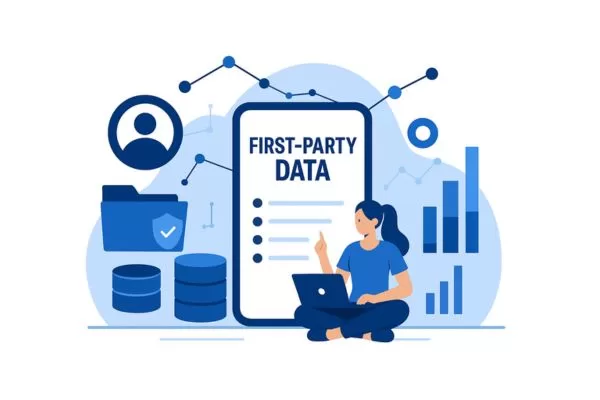
First-party data use cases for marketing
FAQs about the first-party data you need to know
Understanding first party data is essential for modern marketing. Here are some key questions and answers to help you grasp its importance and usage:
How do we define first-party data?
It’s the information a company collects directly from its own customers or website visitors, including emails, purchase history, and interaction preferences.
Why should businesses focus on first party data?
Because it provides accurate insights that help tailor marketing efforts and strengthen customer relationships.
How do companies gather proprietary data?
Through channels like website visits, mobile apps, surveys, newsletter sign-ups, and account registrations.
What benefits can businesses gain from first-party data?
It enables precise audience targeting, enhances personalization, and drives higher engagement and conversion rates.
Is collecting first data data compliant with privacy rules?
Yes, when obtained with clear user consent, it aligns with regulations such as GDPR and CCPA. It also helps build customer trust, as users feel confident their information is handled responsibly.
Key FAQs about first-party data
Conclusion
First party data is essential as privacy expectations rise and third-party data declines. It allows businesses to unify, activate, and trust their insights while staying compliant with evolving regulations. Leverage data today with On Digitals to strengthen customer relationships, enhance personalization, and secure long-term growth.
Similar posts:
Read more