
Insights
Google Trends – What Do Rising Searches Really Mean?
On Digitals
19/01/2026
36
Google Trends is a powerful tool that reveals what people are searching for right now. It helps marketers, SEO specialists, and businesses identify rising topics and seasonal demand patterns. Let’s explore how to turn these insights into actionable strategies for growth!
What Is Google Trends in SEO and Marketing?
Google Trends is a free Google tool that analyzes a sample of search queries to show how interest in a topic changes over time. Instead of displaying exact search volumes, it presents data as relative popularity scores. This helps users identify rising, declining, or seasonal search trends.
The tool is widely used by SEOs, journalists, content marketers, and advertisers. It supports keyword research, topic discovery, content planning, and campaign ideation. By tracking search behavior, users can align content with real user demand.
However, the data must be interpreted correctly to be valuable. Understanding what the information represents, and what it does not, is essential. When used properly, it helps match search intent and capture relevant organic traffic.
Exploring how search interest patterns inform marketing strategy decisions
How Google Trends analyzes search behavior
This trend tracking tool collects anonymized data from Google Search, News, Images, Shopping, and YouTube to track changes in search interest over time. The tool focuses on broader topics, not exact keywords or specific search phrases. This allows users to see when interest rises or declines across Google’s ecosystem.
Unlike traditional keyword research tools, Google Trends does not provide monthly search volume data. Instead, it measures a topic’s popularity relative to total Google searches during a selected time period. Results are displayed on a scale from 0 to 100, showing trend direction rather than actual search counts.
The trend analytics tool also allows users to analyze interest over time, dating back to 2004. You can compare up to five search terms simultaneously and evaluate popularity by geographic location. These features help identify seasonality, regional demand, and emerging trends so that you can tailor your strategy accordingly.
Understanding how user search patterns are tracked over time
Main advantages of Google Trends you need to know
This tool offers valuable insights into how public interest changes over time. Understanding its main advantages helps marketers, SEOs, and advertisers make more data-driven decisions.
Immediate visibility into current search trends
Google Trends provides real-time visibility into what people are actively searching for. By analyzing current search behavior, marketers and journalists can identify what topics are gaining attention right now. This helps anticipate changes in consumer interest and public sentiment as they happen.
Detecting rising topics early
Thanks to the search patterns, it becomes easier to detect topics before they reach mainstream popularity. This is especially valuable for businesses and creators looking for first-mover advantages. Early trend identification supports proactive content and campaign planning.
Competitive trend comparison
Users can compare multiple queries to understand relative popularity, which can be applied to brands, products, or industry topics across different time periods. Such insights support data-driven strategic decisions using Google Trends.
Regional demand analysis
Regional data shows where search interest is strongest geographically. This information helps tailor marketing efforts to high-demand locations. It is especially useful for local SEO and geo-targeted advertising strategies.
Tracking seasonality in search behavior
Google Trends reveals how interest in topics changes throughout the year. Recognizing these seasonal patterns helps optimize content calendars and campaign timing. Historical seasonality data allows for better forecasting and planning.
Connecting insights across Google platforms
Search insights can be combined with advertising and analytics platforms to improve performance. These integrations help align SEO, content, and paid campaigns with actual search demand. The result is a more cohesive and data-backed strategy.
Long-term interest insights
Users can access search data dating back to 2004, providing a historical view that helps identify long-term shifts in behavior and interest. It adds context that supports deeper market and audience analysis through Google Trends.
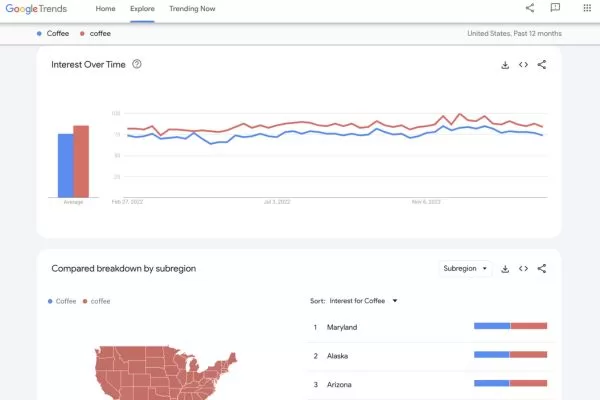
Key benefits of analyzing public interest for better planning
Who should consider using trend data tools?
Trend-based search data is useful for a wide range of professionals. It helps identify audience demand, timing, and regional interest. This insight supports smarter decisions across marketing, content, and advertising strategies.
Paid search team
Google Trends helps paid search teams identify topics that are beginning to gain public attention. This early insight allows advertisers to act before competition intensifies and keyword costs rise. It is especially useful for spotting emerging interests rather than chasing saturated demand.
For e-commerce businesses, this tool can highlight seasonal buying patterns. These signals support inventory forecasting, budgeting, and campaign timing. As a result, PPC and paid media strategies can become more proactive and cost-efficient.
SEO and content marketing team
Trend analysis is particularly valuable for content ideation and editorial planning. Understanding what audiences are searching for, and when interest peaks, helps align content with real demand. This leads to more timely, relevant, and engaging content.
Historical data also reveals seasonality and long-term interest patterns. Marketers can plan evergreen resources or capitalize on recurring trends. Location-based filters further support local optimization opportunities.
Advertisers
Advertisers can use Google Trends to discover trending topics such as viral content, public figures, or cultural moments, providing insights that inspire creative angles and messaging for campaigns. Acting quickly on rising interest can significantly improve campaign relevance.
The tool also shows geographic interest by city, region, or country. This helps advertisers tailor campaigns to specific markets. Better geographic alignment often leads to higher engagement and conversion rates.
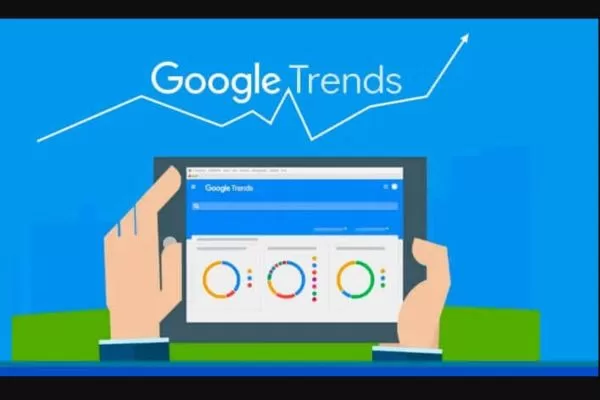
Identifying professionals who can leverage search behavior insights
What are trend analysis tools used for?
Trend analysis tools are designed to measure public interest over time. They help marketers understand demand patterns, timing, and audience behavior. This insight supports better planning across SEO, content, and advertising channels.
Discover new keyword chances
Trend data helps uncover emerging search terms and variations. By reviewing related queries, marketers can identify phrases that are gaining traction. This expands keyword coverage beyond traditional keyword research tools.
These insights are especially useful for finding early-stage opportunities. Emerging terms often have lower competition and higher growth potential. This makes them valuable for long-term SEO strategies.
Plan content around predictable seasonal trends
Google Trends clearly shows when interest in topics rises and falls throughout the year. This allows marketers to identify seasonal spikes and recurring demand patterns. With this information, content and campaigns can be published at the most effective time.
Planning content around predictable peaks improves visibility and engagement. Editorial calendars become more data-driven and strategic. This reduces wasted effort on topics with low demand.
Evaluate interest levels across competitors
Trend comparisons allow brands to measure relative interest against competitors. When multiple brands or topics appear on the same graph, it becomes easier to assess visibility gaps. This helps identify who is capturing more audience attention.
The data can also reflect campaign or event impact. Marketers can evaluate whether their initiatives outperform others in the same space. Insights enable better-informed decisions on market positioning.
Target regions effectively
Google Trends provides geographic breakdowns that show where interest is strongest. Regional maps highlight locations with higher search concentration for a topic. This makes it easier to identify high-demand markets.
These insights are essential for local SEO and location-based advertising. Campaigns can be tailored to regions with proven interest. As a result, targeting becomes more precise and cost-effective.
Understanding how tracking search patterns supports strategic planning
How to analyze search data with Google Trends
This tool is designed to be easy to use, even for users without a data background. The platform allows you to explore, analyze, and compare search interest over time. With the right approach, it can reveal valuable insights for keyword and topic analysis. This section will guide you on how to use Google Trends effectively for analyzing and comparing search interest.
Submitting a keyword in the tool
To begin, open the tool and enter your keyword into the search field. This step shows beginners how to use Google Trends for keyword research, ensuring the right queries are analyzed for insights. You can adjust the country setting if your target audience is located in a different region. Once ready, click Explore to load the results.
The tool will display a results page with detailed information related to your keyword, including trend graphs, regional interest, and related queries. They create the groundwork for additional examination.
Analyzing the trend graph
At the top of the results page, Google Trends shows a graph representing changes in interest over time. This graph helps you quickly spot growth, decline, or seasonal patterns. Looking at thê Google search trends for keywords, you can identify which terms are gaining or losing popularity over time. Hovering over the graph reveals tooltips with more detailed data points.
Google keywords trends help marketers understand relative search demand and plan content accordingly. The numbers on the left side of the graph range from 0 to 100 and represent interest scores. A score of 100 indicates peak popularity for the term, while lower values show reduced interest. A value of zero means there was insufficient data for that time and location, not necessarily zero searches.
Adjusting filters for better insights
Google Trends offers filters that refine how data is displayed. These options appear above the graph and help tailor the analysis to your needs. Using filters ensures more accurate and relevant insights. Marketers can leverage these options to see how to use Google Trends for SEO, tailoring content strategies to actual search demand.
Available filters include:
- Region: Shows where searches originated geographically.
- Timeline: Lets you analyze interest across specific date ranges.
- Category: Narrows data by industry or topic context.
- Search type: Allows you to switch between Web, Image, News, Shopping, and YouTube searches in this tool.
Step-by-step guidance for examining and comparing search interest
Google Trends FAQs: Common questions explained
FAQs address the most common questions users have about how the tool works. These answers help clarify how search interest is measured and applied in practice.
How does Google Trends calculate search volume?
This tool measures search interest by comparing how often a term is searched relative to total Google searches within a selected timeframe. The data is normalized rather than showing absolute search volume. This method highlights relative popularity and trend direction.
Why is this platform valuable for content creators?
The platform helps content creators spot topics that are currently gaining attention. By analyzing trending searches and related subjects, creators can align their content with audience interests. Doing so increases the likelihood of engagement and visibility.
What does keyword variation indicate?
Keyword variation reflects changes in search interest over time. These shifts may be driven by seasonality, news events, or evolving consumer behavior. Analyzing these patterns helps refine marketing and content strategies.
How are related topics suggested by the platform?
The tool displays related topics and breakout queries alongside the main term. Exploring Google Trends topics allows content creators to discover related searches and emerging interests. These breakout terms indicate sudden increases in search interest. They help expand keyword research and uncover new content opportunities.
What is the role of trending topics in Google Trends?
Trending topics highlight searches that are rapidly gaining popularity. These often reflect current events, viral content, or emerging interests. Leveraging this feature allows marketers and creators to act quickly with timely content.
Clarifying typical user questions about interpreting search insights
Conclusion
Google Trends is a powerful tool for understanding what people are searching for and how interests change over time. It provides valuable insights for marketers, content creators, and businesses to make data-driven decisions. By leveraging these insights, brands like On Digitals can stay ahead of trends and create strategies that truly resonate with their audience.
Read more