
Insights
How To Use Google Trends To Find A Niche In 10 Minutes?
On Digitals
28/01/2026
18
How to use Google Trends to find a niche is a practical approach to discovering real search demand and emerging market opportunities. By analyzing keyword trends, seasonality, and regional interest, you can identify niches with long-term growth potential.
Let’s explore how to turn Google Trends data into a profitable niche selection strategy!
What is Google Trends and how is it used for niche research?
Google Trends for niche research is the process of using Google’s trend data to evaluate market demand, audience interest, and growth potential before committing to a specific niche. In practice, using Google Trends to find niches allows you to base decisions on real search behavior rather than assumptions. It helps you see whether a topic is gaining momentum, staying stable, or declining over time, which is critical for choosing a sustainable niche rather than a short-lived trend.
By comparing multiple keywords, analyzing seasonal patterns, and checking regional interest, how to use Google Trends to find a niche becomes clearer for freelancers and remote workers. This data-driven approach reduces guesswork and enables you to focus on niches with real demand and long-term opportunities.
Additionally, Google Trends helps validate niche ideas early by revealing real user search behavior rather than assumptions or hype. You can spot rising queries and related topics that indicate future demand before competition becomes intense. This makes Google Trends especially valuable for building scalable strategies in SEO, content creation, and online business models.
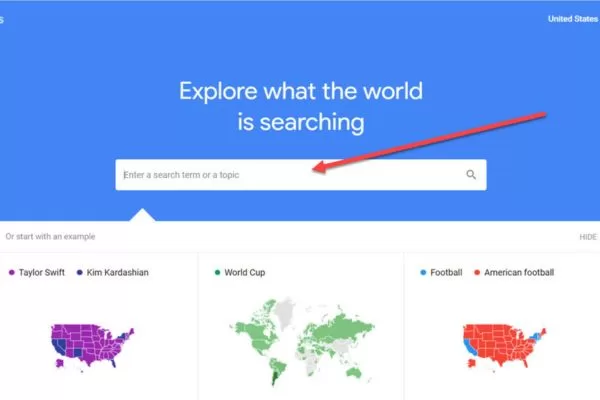
It clarifies how trend data supports smarter niche decisions
How to use Google Trends to find a niche step-by-step
Choosing the right niche requires data, not guesswork. Google Trends helps you validate demand, spot growth patterns, and avoid short-lived ideas before investing time or money.
Start with a broad topic
When learning how to use Google Trends to find a niche, begin with a broad topic related to your skills or interests. Broad niches like fitness, personal finance, technology, or remote work give you enough data to analyze trend behavior accurately. From there, you can narrow down into smaller sub-niches with clearer opportunities.
Analyze long-term search interest trends
The trend graph shows whether interest in a topic is increasing, stable, or declining over a selected period. This step is essential when learning how to find niches using Google Trends based on long-term demand patterns. A steady upward or consistent pattern often signals long-term potential rather than a temporary spike. Avoid niches with sharp peaks followed by rapid drops, as these usually indicate short-term trends.
Identify seasonal versus long-term opportunities
Understanding how to use Google Trends to find a niche also means recognizing seasonal behavior. Some niches peak at specific times of the year, such as travel or holiday-related topics. Seasonal niches work well if you plan content and monetization cycles strategically.
Compare keywords to validate niche demand
Google Trends allows you to compare multiple keywords to see which one has stronger and more consistent interest. This comparison helps confirm whether your niche idea has real demand or is being overshadowed by alternatives. Focus on keywords that show stable growth with manageable competition.
Check regional interest
A key part of how to use Google Trends to find a niche is analyzing interest by country or region. Regional data can reveal underserved markets where competition is lower but demand still exists. Targeting these regions can help you enter a niche faster and scale more efficiently.
Follow a structured workflow to avoid guesswork
Who is Google Trends best suited for when finding a niche?
Understanding how to use Google Trends to find a niche is valuable for anyone building an online income stream. This tool helps different professionals reduce risk by validating demand before investing time and resources.
Freelancers and remote workers
Freelancers and remote workers often need to adapt quickly to changing market demand. Google Trends helps them identify services or skills that are gaining popularity over time. This allows them to position themselves in niches with growing client interest.
By analyzing trends, remote professionals can avoid oversaturated markets. They can also pivot their offerings based on regional or seasonal demand. This makes their work more future-proof and competitive.
Bloggers and content creators
Bloggers and creators benefit greatly from learning how to use Google Trends to find a niche that attracts consistent traffic. Trend data helps them choose topics with long-term interest instead of short-lived hype. This leads to more sustainable content growth.
Google Trends also reveals related topics and rising queries. These insights help creators plan content calendars more strategically. As a result, they can publish content that aligns with audience demand and search behavior.
SEO-focused marketers and digital strategists
SEO professionals and digital marketers rely on data to guide strategy decisions. Google Trends helps them validate keyword opportunities before committing to campaigns. This improves ROI and reduces wasted effort.
Marketers can also use regional and time-based insights to fine-tune targeting. Understanding when and where interest peaks allows for smarter optimization. This makes Google Trends a valuable tool in any data-driven marketing workflow.

Different professionals benefit depending on goals and experience
How to uncover high-potential niches with Google Trends
Google Trends helps you discover rising queries and related topics that indicate growing user interest. These data points reveal what people are actively searching for and which ideas are starting to gain momentum. By focusing on upward trends, you can spot opportunities before they become highly competitive.
Identifying emerging niches requires looking beyond high search volume and paying attention to growth patterns. Topics marked as “Rising” often signal early-stage demand with strong future potential. This approach is essential when learning how to use Google Trends to find a niche.
To maximize profitability, combine Google Trends data with real business insights such as monetization potential and audience intent. Evaluate whether the niche can support products, services, or affiliate offers over time. This balanced strategy ensures your niche choice is both data-driven and commercially viable.
Top mistakes when using Google Trends to research niches
Many people use Google Trends without fully understanding how to interpret the data. As a result, they often misjudge the true potential of a Google Trends niche. This often leads to poor niche choices that lack long-term growth and monetization potential.
Confusing short-term trends with long-term niches
One common mistake in how to use Google Trends to find a niche is chasing sudden spikes in search interest. These spikes often come from viral events, news, or temporary hype that fades quickly. Relying on them can result in a niche that loses traffic just as fast as it gains it.
A sustainable niche usually shows steady or gradually increasing interest over time. Flat but consistent trend lines can be more valuable than sharp peaks. Always zoom out to a longer time range to confirm long-term viability.
Relying on a single keyword
Basing your niche decision on only one keyword can give a distorted view of demand. A single term may decline while related keywords continue to grow. This can cause you to wrongly dismiss a profitable niche.
Instead, analyze multiple keyword variations and related topics. Comparing keywords helps you understand the broader interest around a niche. This approach provides a more accurate picture of real market demand.
Ignoring regional and time-based data
Another major mistake in how to use Google Trends to find a niche is overlooking regional and historical data. Search interest can vary greatly by country, city, or season. Ignoring this can lead you to target the wrong audience or market.
Regional insights often reveal low-competition opportunities with strong demand. Time-based data also helps you plan content and monetization around peak periods. Using both together allows for smarter, more strategic niche selection.

Avoid common errors that weaken niche validation accuracy
Combining Google Trends and SEO tools to find a niche
Google Trends becomes more powerful when combined with keyword research tools such as Ahrefs, SEMrush, or Google Keyword Planner. These tools provide search volume, keyword difficulty, and commercial intent data that Google Trends alone does not show. Using both together helps you balance trend growth with realistic ranking and monetization potential.
Analyzing competitor data alongside Google Trends gives deeper insight into market saturation. You can evaluate how many websites are targeting the same niche and how strong they are. This comparison helps you identify gaps where demand exists but competition remains manageable.
Before moving forward, always validate your niche idea using multiple data sources. Confirm search demand, competitive strength, and monetization options to reduce risk. This final step ensures you fully understand how to use Google Trends to find a niche effectively.

Multiple data sources create stronger, more reliable decisions
FAQs about how to use Google Trends to find a niche
Choosing the right niche often comes with many questions, especially when using data-driven tools. The FAQs below clarify common concerns and help you apply Google Trends more effectively for niche research:
How to use Google Trends to find a niche with long-term potential?
To use Google Trends to find a niche with long-term potential, analyze search interest over an extended time range such as 3–5 years. Look for steady or gradually increasing trends instead of sharp spikes. Consistent interest usually signals a sustainable niche rather than a short-lived trend.
Can Google Trends help identify profitable niches?
Google Trends can indicate demand growth, which is a key factor in profitability when learning how to use Google Trends to find a niche. However, it does not show revenue or competition levels directly. To confirm profitability, combine trend data with keyword tools and monetization research.
How do rising queries help when finding a niche?
Rising queries reveal topics that are gaining attention quickly. These queries often represent early-stage demand before competition becomes intense. Using them wisely allows you to enter a niche ahead of the market.
Is Google Trends enough on its own for niche research?
Google Trends is powerful, but how to use Google Trends to find a niche should not rely on this tool alone. It shows interest patterns rather than exact search volume or keyword difficulty. Pairing it with SEO and competitive analysis tools provides a more complete and accurate picture.
How often should I check Google Trends when researching a niche?
You should check Google Trends at multiple stages of niche research. Initial checks help validate ideas, while follow-up checks confirm stability over time. Regular monitoring also helps you adapt as trends evolve.
These answers resolve common doubts about trend-based research
Conclusion
How to use Google Trends to find a niche is a smart, data-driven approach to identifying markets with real demand and long-term potential. By analyzing trend patterns, keyword comparisons, and regional interest, you can reduce risk and make more informed niche decisions. With the right strategy and expert guidance from On Digitals, Google Trends becomes a powerful foundation for sustainable growth.
NEWEST POSTS
Read more