
Insights
A Complete Guide to Influencer Marketing ROI for Better Performance
On Digitals
15/12/2025
34
Measuring influencer marketing ROI is becoming harder as creator campaigns grow and customer behavior shifts across platforms. Many brands invest heavily but still struggle to see which partnerships truly generate impact.
In this guide, On Digitals highlights the real challenges behind ineffective measurement and shares clear, data-driven solutions to help you track performance, avoid wasted spend, and improve results with confidence.
What is influencer marketing ROI?
Influencer marketing ROI is the value you gain from investing in creator partnerships compared to what you spend. It shows whether your money, time, and resources are generating meaningful impact for your business.
Unlike traditional ads that focus mostly on quick sales, influencer ROI reflects wider benefits such as brand awareness, engagement, content creation, customer trust, and long-term connections with an active audience.

Influencer marketing ROI shows the value you gain compared to what you spend
The versatility of ROI for influencer marketing makes it useful for many campaign goals. Success might appear as increased website traffic, stronger social engagement, more email subscribers, better brand sentiment, or direct sales. When you define clear objectives, you can track the right metrics and make smarter, data-driven decisions for future influencer campaigns.
Why influencer marketing ROI matters
Tracking influencer marketing ROI is essential because it reveals true campaign impact and guides smarter strategic decisions.
- ROI helps brands understand whether influencer activities deliver value: Every marketing dollar counts, and tracking your influencer campaign ROI helps you see which partnerships deliver real value. This clarity reduces wasted spending, strengthens winning strategies, and makes it easier to secure future budgets by proving tangible business results.
- Shows performance across the full customer journey, not just sales: Modern consumers move through several touchpoints before buying, so measuring influencer ROI across the full funnel helps you understand how creator content drives awareness, consideration, and eventual conversions. Even without instant sales, influencers can increase visibility and traffic that lead to results later. Tracking these interactions shows the true impact of your partnerships.
- Supports smarter budget allocation and long-term influencer relationships: By tracking average ROI influencer marketing performance, you can spot which influencers, platforms, and content formats deliver the strongest results. These insights support smarter planning and help you build long-term partnerships with high-performing creators, leading to more authentic and lasting brand impact.

Influencer marketing ROI shows real impact and guides smarter, more effective decisions
How to calculate influencer marketing ROI
Calculating your influencer marketing ROI might seem complex at first, but breaking it down into clear components makes the process straightforward. Let’s walk through the essential elements you need to measure your campaign success accurately.
The core ROI formula
The fundamental formula for calculating ROI influencer marketing performance is surprisingly simple:
ROI = (Revenue – Cost) / Cost × 100
This gives you a percentage that shows how much return you earned for every dollar spent.
For example, if you spent $5,000 on an influencer campaign and generated $15,000 in attributed revenue, your ROI would be ($15,000 – $5,000) / $5,000 × 100 = 200%. This means you earned $2 for every $1 invested.
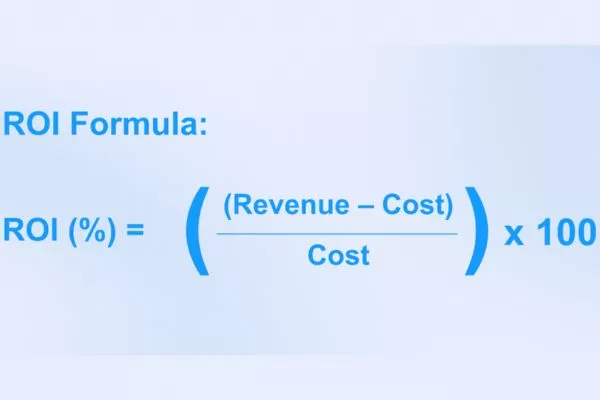
Influencer marketing ROI shows how much return you get from every dollar spent
Calculating influencer ROI becomes more complex when you include non-monetary value. Some brands assign dollar amounts to impressions, engagement, or created content, while others measure ROI separately for sales and awareness goals. The important thing is maintaining a consistent method so you can compare campaigns accurately and optimize decisions.
Components of campaign costs
Accurately tracking influencer campaign ROI means considering all partnership costs. Beyond creator fees or commissions, you should include product gifting expenses, shipping costs, and any agency or platform fees to ensure a complete and reliable calculation.
When measuring influencer ROI, include internal costs such as staff time, content review, and performance tracking, as well as expenses for custom graphics or landing pages. Brands often overlook these hidden costs, which can inflate results. A full cost picture ensures more accurate and reliable insights.
Components of campaign revenue and return
On the revenue side of your influencer marketing ROI calculation, focus on sales driven by discount codes, affiliate links, or tracked traffic that converts within your attribution window. For ecommerce brands, these direct purchases form the core return, and including customer lifetime value helps you capture the long-term impact of new buyers.
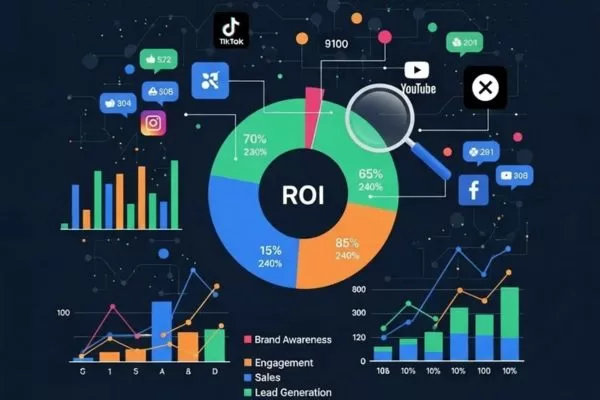
Influencer campaign revenue blends tracked sales, awareness value, and reusable content
For brand awareness campaigns, you’ll need to assign monetary value to metrics like reach, impressions, and engagement. Many marketers use industry benchmarks or their own historical data to determine what these metrics cost through other channels like paid advertising. If an influencer delivers 500,000 impressions that would have cost $5,000 through Facebook ads, that becomes part of your return calculation. Additionally, influencer generated content ROI includes the value of repurposing creator content across your owned channels, saving production costs you would have otherwise incurred. High-quality photos, videos, and testimonials created by influencers become marketing assets that deliver value long after the initial campaign ends.
Key methods for measuring influencer ROI
Effectively tracking your influencer marketing ROI starts with using the right measurement systems. These tools give you accurate data and clear insights to evaluate performance and improve future campaigns.
Affiliate links and trackable URLs with UTMs
Using affiliate links and UTM tagged URLs is a simple way to track influencer ROI accurately. Unique links show how many clicks each creator drives and what actions visitors take, while UTM parameters let you analyze performance by campaign, source, and individual influencer in your analytics tools.
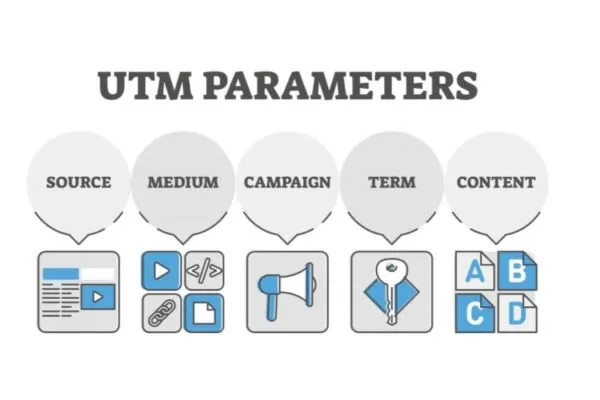
Affiliate links and UTM URLs provide clear, trackable data for influencer ROI
This approach is effective for measuring influencer ROI in ecommerce because you can directly link sales and behavior to each creator. It also reveals metrics like time on site and pages per session that reflect audience quality. The key is ensuring influencers use the links and encourage clicks, which requires clear communication and easy sharing to maintain accurate tracking.
Dedicated landing pages
Creating unique landing pages for each creator helps you track influencer campaign ROI more accurately. Traffic sent to a dedicated URL removes confusion about where visitors come from, and tailored messaging for each audience can boost conversions while giving you clear and reliable performance data.
Landing pages provide deeper intent insights by showing which sections users engage with, how long they stay, and where they exit. These signals help refine both influencer selection and overall messaging. Dedicated pages also support lead generation goals like email signups or downloads. With clear tracking of micro conversions, the ROI for influencer marketing becomes easier to measure.
Unique discount codes
Discount codes are a popular way to track influencer marketing ROI because they both measure performance and encourage conversions. Giving each influencer a unique code creates a clear tracking method while providing an attractive offer for their audience. These codes work across different platforms since customers can easily remember and apply them at checkout.

Unique discount codes drive conversions while offering clear influencer ROI tracking
Discount code data reveals more than conversions, showing order values, product preferences, and repeat purchase patterns tied to each influencer. This helps you assess both the quantity and quality of traffic. Some brands face attribution issues when codes appear on deal sites, but using short expiration dates and rotating codes improves tracking accuracy while adding urgency that lifts conversions.
Influencer generated content ROI
A key part of influencer generated content ROI comes from reusing creator assets across your marketing channels. Videos, photos, and testimonials continue delivering value long after the original post by being repurposed for paid ads, product pages, email campaigns, and social media.
Influencer ROI grows when brands use creator content to reduce production costs and boost performance across channels. A single influencer video can replace far more expensive in house production while feeling more authentic. By tracking how repurposed content performs in ads or on your website, you can uncover gains like higher conversion rates or lower bounce rates that traditional sales attribution often overlooks.
Analytics platforms and ROI software
As influencer programs grow, manual tracking becomes inefficient and error prone. Tools built for measuring influencer ROI automate data collection across campaigns and creators, integrating with your marketing stack to combine social, website, ecommerce, and affiliate data into clear, unified dashboards.

Analytics platforms streamline tracking and deliver deeper insights for influencer ROI
ROI influencer marketing software offers more than time savings by providing fraud detection, competitive benchmarking, and predictive analytics that help forecast results before spending budget. Some platforms use machine learning to suggest the best influencer partners based on past performance. Although these tools require investment, they improve decisions and efficiency for brands managing ongoing influencer programs.
Essential metrics for measuring influencer ROI
Knowing the right metrics turns influencer marketing ROI from guesswork into a clear process. Key performance indicators across different categories help you see the full picture of campaign success.
Social metrics
Social metrics are a core part of influencer ROI because most creator activity happens on social platforms. Follower growth shows whether campaigns help expand your audience when influencers tag or promote your brand. Still, quality matters more than quantity since engaged followers deliver far stronger results than large but passive audiences.
Reach and impressions show how many people saw your content and help measure awareness. Engagement rate reflects how strongly audiences interact with posts and indicates content quality. Share of voice reveals how much your brand is discussed compared to competitors. These social signals help determine whether your influencer campaign ROI includes real visibility and community growth beyond direct conversions.
Web metrics
Traffic metrics help connect social exposure to real business impact for your influencer marketing ROI. Focus on referral traffic from influencers and compare their behavior to other sources, such as time on site, pages viewed, and conversion rate. Quality matters more than volume when assessing influencer driven visitors.
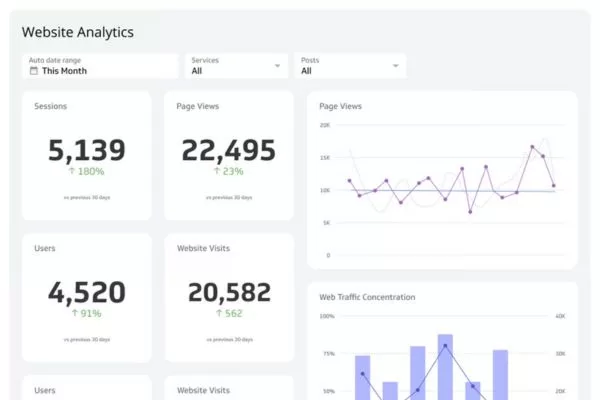
Web metrics reveal how influencer-driven traffic behaves and contributes to overall ROI
Bounce rate shows whether influencer audiences find what they expected after clicking through. A high rate may signal mismatched messaging or landing page issues. Earned media mentions reveal how campaigns spark additional coverage from journalists or other creators. This amplification expands the ROI for influencer marketing by reaching new audiences and extending the impact well beyond the initial posts.
Ecommerce metrics
For product or service brands, ecommerce metrics offer the clearest path to measuring influencer ROI. Conversion rates from influencer traffic show how many visitors take action, from purchases to signups. Comparing these rates across influencers helps you see which partners attract audiences that are ready to buy rather than simply browse.
Repeat purchase rate shows the long term value of customers brought in by each influencer. Influencers who attract loyal buyers contribute more than those who drive only one time shoppers. Tracking results over 30 to 90 days reveals lasting impact. Cart abandonment from influencer traffic helps you see whether checkout friction or low intent is the issue. Lower abandonment often aligns with stronger audience fit and higher influencer campaign ROI. When paired with average order value, these metrics clarify real acquisition costs and customer lifetime value.
Content metrics
Content performance metrics help round out your influencer marketing ROI by evaluating how well creator assets work. Tracking user generated content shows how many people are inspired to post about your brand after seeing influencer content. This organic boost expands reach at no extra cost and adds social proof that supports buying decisions.

Content metrics reveal the true value of influencer-created assets
Content quality scores based on engagement, sentiment, or review show which creative styles resonate most. Strong influencer content can be reused across channels, so tracking its performance and the production costs it saves helps reveal true value. Measuring repurpose potential shows how long and where assets can be used. Many brands combine these factors to calculate total influencer generated content ROI, ensuring they capture benefits that go beyond direct conversions.
Tips to maximize influencer marketing ROI
Measuring your influencer marketing ROI matters, but optimizing it drives real business growth. Here are proven strategies to squeeze more value from every influencer dollar you invest.
Set clear goals and KPIs
Before launching any campaign, define exactly what success looks like for your influencer ROI efforts. Vague objectives like “increase brand awareness” leave you unable to measure results effectively. Instead, set specific targets: “Generate 50,000 qualified impressions among our target demographic” or “Drive 500 website visits with a minimum 3% conversion rate.” Aligning brand objectives with measurable outcomes ensures everyone works toward the same definition of success.

Set clear goals and KPIs to guide and measure your influencer ROI effectively
Different goals call for different metrics and influencer types. Product launches may focus on reach, making macro influencers useful, while retention efforts benefit from micro influencers who build stronger engagement and community. With clear goals and KPIs from the start, you can allocate budget wisely and see whether your measuring influencer ROI efforts justify the investment.
Choose the right influencers
Not all influencers deliver the same influencer campaign ROI, even with similar follower counts. The goal is to choose creators whose audiences genuinely align with your target customers. Go beyond demographics and look at interests, values, and purchasing behavior to ensure a strong match. An influencer with 50,000 engaged followers who perfectly match your customer profile will outperform one with 500,000 loosely connected followers every single time.
Evaluate authenticity by looking at an influencer’s content history, engagement trends, and past brand collaborations. Check whether their followers interact with sponsored posts at normal levels and whether the creator is selective with partnerships. Those who protect audience trust drive stronger ROI influencer marketing because their recommendations feel genuine. Use tools such as HypeAuditor, Modash, and UpGrow, to detect fake followers or engagement pods and focus on quality connections instead of vanity metrics.
Read more: The most popular Vietnamese influencers for brands
Repurpose influencer content
Maximizing influencer generated content ROI comes from fully reusing creator assets. Securing usage rights lets you use their content in paid ads, which often outperforms traditional creative due to its authenticity. Adding influencer lifestyle images to product pages also reduces bounce rates and boosts conversions.

Repurpose influencer content to extend its value and boost overall ROI
Email campaigns perform better with fresh influencer content, and even internal or sales materials gain credibility when they feature real users. Tracking how reused assets perform across channels can reveal that one influencer video drives value in many touchpoints, multiplying your influencer marketing ROI well beyond initial results. With proper licensing, a single asset can keep delivering returns long after the original post.
Build long-term collaborations
One off campaigns rarely achieve the same ROI for influencer marketing as long term partnerships. When an influencer promotes your brand consistently, their audience builds trust and familiarity, while the creator gains deeper product knowledge that makes their recommendations more authentic and persuasive.
Long term partnerships also boost efficiency since less time is spent on onboarding and creative alignment. Familiar creators understand your brand and consistently deliver strong content. Many brands use tiered partnerships that reward top performers and encourage loyalty. By tracking how average ROI influencer marketing improves across repeated campaigns with the same creator, you can clearly see the value of long term collaboration.
Optimize timing, platforms, and formats
Strategic decisions about when and where influencers post have a major effect on influencer ROI. Each platform serves a different purpose, from Instagram’s visuals to YouTube reviews, TikTok awareness, and LinkedIn’s professional reach. Choose platforms based on audience habits and campaign goals rather than follower count alone.

Optimize timing, platforms, and formats to significantly improve influencer campaign ROI
Timing plays a big role in results. Posting when your audience is most active boosts engagement and reach. Factor in seasonality, current events, and weekly patterns, and match formats to platform norms such as carousels, Stories, or Reels. Testing different styles and using data to refine your approach can lift influencer campaign ROI by more than 50% compared to poorly timed or mismatched content.
Manage campaign costs wisely
Effective budget management strongly influences your influencer marketing ROI. Bigger creators are not always the best choice since micro and nano influencers often deliver higher ROI with lower fees and more engaged niche audiences. Mixing influencer tiers helps you balance reach and efficiency while testing multiple partnerships within the same budget.
Negotiate compensation that matches the influencer’s value and your expected returns. Performance based incentives like commissions or bonuses can boost commitment. Avoid underpaying creators whose audiences truly fit your brand, since strong partnerships are worth premium rates when measuring influencer ROI supports it. Track cost per acquisition and cost per engagement to build benchmarks that guide smarter future spending.
Establishing a successful ROI tracking workflow
Consistent measurement separates influencer marketing ROI success from speculation. Building a systematic workflow ensures you capture accurate data and continuously improve performance.
- Clear data setup: Ensure tracking codes, dedicated landing pages, analytics integrations, and defined attribution rules are in place before launching campaigns so influencer campaign ROI can be measured consistently.
- Consistent attribution model: Decide whether to credit first touch, last touch, or shared touchpoints to enable accurate comparisons across campaigns and support better ROI influencer marketing evaluation.
- Ongoing performance reviews: Use weekly check ins during campaigns to identify low engagement, missed deadlines, or weak content early so you can optimize and protect influencer campaign ROI.
- Post campaign analysis: Review all metrics in detail to understand what worked, what did not, and what insights should guide future strategies.
- Continuous optimization: Build playbooks from tracking data to identify winning influencer traits, top performing content formats, and effective calls to action while staying flexible to test new ideas and improve ROI influencer marketing over time.
- Quarterly program reviews: Regularly assess workflows, tools, and strategy alignment to keep your influencer program effective and evolving with business goals.

Consistent measurement and optimization are key to stronger influencer marketing ROI
Conclusion
Understanding and optimizing your influencer marketing ROI is about creating a scalable growth channel that delivers real business impact. Brands that achieve strong influencer ROI set clear goals, select creators thoughtfully, build solid tracking systems, and view partnerships as long term investments. They know that measuring influencer ROI includes more than immediate sales by accounting for awareness, content value, and customer lifetime impact. By applying ROI-focused methods, you can make smarter decisions, reduce wasted spend, and confidently scale what works for sustainable growth through authentic creator collaborations.
Discover our full range of services, from SEO and PPC to Social Media Marketing and Website Development, and let On Digitals support you in building your next winning campaign.
Suggested Reading
Read more