
Insights
Local SEO vs Global SEO: Key Differences and How to Choose
On Digitals
23/01/2026
43
When it comes to SEO, businesses do not all play by the same rules. A small local bakery and a global SaaS company may both rely on search engines to attract customers, but the way they approach SEO is fundamentally different. This is why the comparison between local SEO vs global SEO matters so much.
Although both strategies aim to increase visibility in search results, they target different audiences and require different execution. Choosing the wrong approach often leads to wasted budget, slower growth, and missed opportunities. In this article, we will explore how local SEO and global SEO work, what sets them apart, and how to decide which strategy aligns best with your business goals.
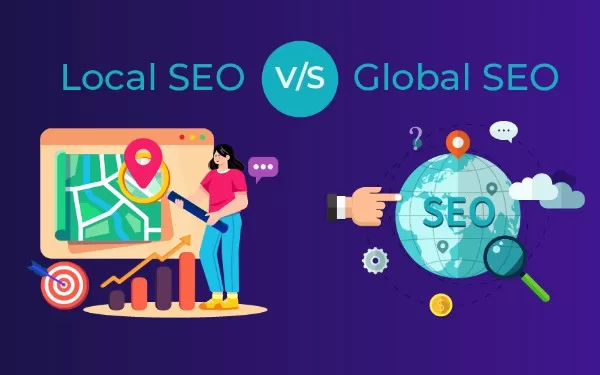
Key differences between local seo and global seo
Local SEO vs Global SEO: What’s the Difference?
At its core, the difference between local SEO vs global SEO lies in search intent and geographic scope. In simple terms, it comes down to who you want to reach and where those users are searching from.
Local SEO focuses on helping businesses appear in search results for users within a specific location. These searches usually include geographic signals such as city names, neighborhoods, or phrases like “near me.” The primary objective is to connect nearby customers with physical stores or local service providers at the exact moment they are ready to take action.
Global SEO, in contrast, is designed to reach users across multiple countries or worldwide. Instead of optimizing for one location, it targets broader keywords and emphasizes international visibility. Global SEO strategies often involve multilingual content, cultural adaptation, and technical configurations that help search engines understand which content belongs to which market.
Understanding this distinction early on helps businesses avoid investing in the wrong strategy and expecting results that do not match their market reality.
Key Differences Between Local SEO and Global SEO
To better understand local SEO vs global SEO, it helps to compare how they function in real-world business scenarios.
| Criteria | Local SEO | Global SEO |
| Target audience | Users in a specific city, region, or local area | Users across multiple countries or worldwide |
| Business scope | Best for businesses serving local customers | Ideal for international or online-only businesses |
| Keyword strategy | Location-based keywords and local intent | Broad, non-location-specific keywords |
| Geo-targeting | Highly precise geographic signals | Broad or multi-country targeting |
| Main objective | Drive nearby customers and local trust | Scale visibility and brand presence globally |
Comparison between Local SEO and Global SEO
Local SEO vs Global SEO: How Each Strategy Works
While both local SEO and global SEO aim to improve search visibility, the way each strategy operates is very different. Understanding how they work in practice helps businesses choose the right approach, apply resources effectively, and align SEO efforts with user intent at the right scale.
How Local SEO Works
Local SEO is based on the idea that relevance and proximity often matter more than brand size when users perform location-based searches. Search engines prioritize businesses that can best satisfy immediate local intent, especially on mobile devices.
A strong local SEO strategy usually starts with optimizing a Google Business Profile using accurate and consistent business information. This helps search engines verify that a business is legitimate and relevant to local users. Reviews, local citations, and mentions across trusted directories further strengthen this signal.
Beyond technical setup, content plays an important role in local SEO. Businesses that create location-specific service pages, publish content relevant to their community, and actively engage with local audiences tend to perform better in local search results.
One of the most valuable benefits of local SEO is its ability to level the playing field. By emphasizing physical presence and real customer feedback, local SEO allows smaller businesses to compete with larger brands that may have stronger name recognition but weaker local relevance.

Local SEO Works
How Global SEO Works
Global SEO operates on a much larger scale and focuses on reaching audiences across different countries, languages, and cultural contexts.
This strategy typically begins with international keyword research to understand how users in different regions search for similar products or services. Instead of relying on direct translation, successful global SEO requires localization so that content feels natural and meaningful to each audience.
From a technical standpoint, global SEO often includes implementing hreflang tags, choosing the right site structure for international targeting, and building a diverse backlink profile across multiple markets. These elements help search engines serve the correct version of a page to the right users.
Although global SEO requires more resources and long-term planning, it offers significant growth potential for businesses with scalable products or international ambitions.

Global SEO Works
Key SEO Elements Used in Both Strategies
Although local SEO vs global SEO differ in scale and execution, both rely on the same core SEO foundations. The difference lies not in what elements are used, but in how they are applied to match user intent and business goals.
Keyword research is fundamental to both strategies. In local SEO, it focuses on location-based terms that signal immediate intent, while global SEO expands keyword research across regions, languages, and cultural search behaviors to capture broader demand.
High-quality content remains the backbone of SEO regardless of market size. Search engines prioritize content that is relevant, valuable, and easy to understand. Whether targeting a local audience or international users, content must clearly answer search queries, demonstrate expertise, and provide a positive user experience.
On-page optimization supports visibility in both approaches by helping search engines understand page context. Well-structured headings, optimized title tags and meta descriptions, descriptive URLs, and strong internal linking improve both rankings and usability.
Technical SEO ensures that websites perform well across devices and regions. Fast loading speeds, mobile-friendly design, clean site architecture, and proper crawlability are essential for both local and global SEO success, especially as users increasingly search on mobile.
Link building strengthens authority in both strategies, though the sources differ. Local SEO relies on citations, local partnerships, and community links, while global SEO focuses on earning backlinks from international publications and authoritative industry sites.
By mastering these shared SEO elements, businesses can build a strong foundation that supports both local visibility and global expansion as their strategy evolves.

Key SEO elements used
Local SEO vs Global SEO: Pros and Cons
Understanding the strengths and limitations of both local SEO and global SEO helps businesses choose the approach that best aligns with their audience, budget, and long-term growth strategy.
Pros and Cons of Local SEO
Local SEO offers strong advantages for businesses that rely on nearby customers. One of its biggest benefits is attracting high-intent traffic from users searching with local intent, such as “coffee shop near me” or “plumber in Ho Chi Minh City.” These users are often ready to take action, making local SEO highly effective at driving calls, store visits, and service bookings.
Another major strength of local SEO is its cost efficiency. By focusing on a defined geographic area, businesses can achieve results without the large budgets required for national or global campaigns. This makes local SEO especially effective for small and medium-sized businesses, allowing them to stay visible by optimizing location signals, accurate business information, and customer reviews.
Local SEO also helps build trust and credibility within a community. Appearing consistently in local search results and map listings reassures users that a business is legitimate, reliable, and easy to reach. For mobile users in particular, local SEO improves the experience by making it simple to find directions, view opening hours, and contact the business instantly.
However, local SEO comes with certain limitations. Its reach is restricted to a specific geographic area, which naturally limits scalability. In competitive local markets, businesses must invest ongoing effort to stay visible by updating their Google Business Profile, managing reviews, and adapting to algorithm changes. Without consistent optimization, local rankings can decline quickly.

Advantages and disadvantages of local SEO
Pros and Cons of Global SEO
Global SEO offers powerful opportunities for businesses aiming to expand beyond domestic markets. Its greatest advantage lies in reaching a vast international audience across multiple countries and regions. By targeting global search demand, businesses can unlock significantly larger pools of organic traffic and enter new markets at scale.
Another key benefit of global SEO is building brand authority. Ranking in multiple regions helps establish credibility and long-term trust with international audiences. For e-commerce brands and digital services, this enables sustainable growth through organic visibility rather than short-term paid ads.
Despite its advantages, global SEO presents significant challenges. It is more complex and resource-intensive than local SEO, requiring investment in multilingual content, localization, and technical infrastructure. Managing different languages, cultures, and regional search behaviors also demands careful planning and specialized expertise.
Global SEO requires ongoing maintenance to stay effective. Algorithms vary by market and competition is intense worldwide. Without continuous optimization, even established sites can lose visibility. This approach suits businesses with long-term goals and strong resources.

Advantages and disadvantages of global SEO
Local SEO vs Global SEO: Mistakes Businesses Should Avoid
Even the most well-planned SEO strategies can fail if common mistakes are overlooked. When comparing local SEO vs global SEO, these errors often come from misunderstanding search intent, user behavior, and technical requirements at different scales. Recognizing and avoiding these pitfalls early can help businesses protect visibility, improve performance, and maximize long-term results.
Mistakes in Local SEO
Many local SEO problems stem from overlooked details that directly impact trust, visibility, and conversions.
- Inconsistent NAP information across platforms: Different business names, addresses, or phone numbers across your website, Google Business Profile, and directories make it harder for search engines to verify your business, reducing local rankings and map visibility.
- Under-optimized or ignored Google Business Profile: Not fully updating photos, business hours, posts, or Q&A means missing one of the most important local ranking factors, allowing more active competitors to gain an advantage.
- Lack of location-specific keywords and content: Using generic keywords without city or neighborhood references weakens geographic signals, making it difficult for search engines to match your business with local search intent.
- Ignoring customer reviews and feedback: Failing to respond to reviews, especially negative ones, signals low engagement and can reduce trust, click-through rates, and conversions.
- Poor mobile experience for local users: Since most local searches happen on mobile, slow loading pages or hard-to-use layouts can drive users away even if your site ranks well.
- Missing local citations and schema markup: Without consistent directory listings and local business schema, search engines receive fewer signals about your location and relevance, limiting local visibility.

Local SEO missteps
Mistakes in Global SEO
Global SEO mistakes tend to be more complex because they affect multiple markets, languages, and user behaviors at the same time.
- Relying on direct translations instead of localization: Simply translating content word-for-word often ignores cultural context, local expressions, and regional search intent. Content that feels unnatural or irrelevant to local audiences usually fails to attract engagement, even if it is technically optimized.
- Weak regional targeting structure: Using a single domain without clear country or language signals can confuse search engines about which audience each page is meant for. Without ccTLDs, subdomains, or properly structured subfolders, global pages may struggle to rank in specific regions.
- Incorrect or missing hreflang implementation: Hreflang tags help search engines serve the right language or regional version of a page. When they are missing or implemented incorrectly, users may land on the wrong version of a website, leading to higher bounce rates and lower trust.
- Using non-localized keyword strategies: Global SEO often fails when businesses rely only on English or overly broad keywords. Search behavior varies by country, and ignoring local keyword research makes it difficult to compete with established regional websites.
- Overlooking technical performance for international users: Slow site speed, broken links, or lack of content delivery networks can significantly harm user experience across borders. Technical SEO issues become more damaging at scale when users access the site from different regions.
- Ignoring regional competitors and market dynamics: Assuming that global brand authority will automatically translate into rankings abroad is a common mistake. Without analyzing local competitors and search trends, businesses often underestimate the effort required to succeed in each market.
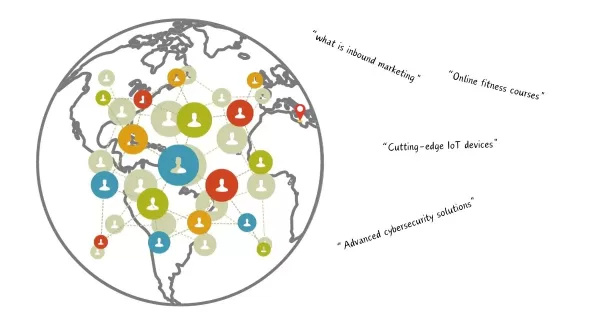
Common global SEO mistakes
FAQs
What is the main difference between local SEO and global SEO?
Local SEO focuses on attracting customers within a specific geographic area, while global SEO targets a broader audience across multiple regions or countries.
Is local SEO cheaper than global SEO?
Yes, local SEO usually requires a lower budget because it targets a smaller market and involves fewer technical and content resources than global SEO.
Can small businesses use global SEO?
Small businesses can use global SEO, but it is often more effective to build a strong local presence first before expanding to international markets.
Can one website target both local and global search strategies?
Yes, a single website can combine both by creating location-specific pages for local SEO and broader content for global audiences.
Conclusion
Choosing between local SEO vs global SEO is more than a tactical choice; it is a strategic decision that shapes how your business grows online. Local SEO helps brands connect with high-intent customers in specific locations, while global SEO creates opportunities for scalable visibility and long-term expansion across multiple markets.
To get the best results, businesses should invest in an SEO approach that truly aligns with their goals, resources, and target audience. If you need expert support, contact On Digitals to work with experienced SEO and digital marketing professionals who can help you build a solid SEO foundation, scale with confidence, and achieve sustainable growth.
Read more