
Insights
Nano Vs micro influencers: Key differences And Best Uses
On Digitals
10/12/2025
40
Nano vs micro influencers may have smaller audiences, but their marketing power is getting strongers than ever.
Their authentic connection and trusted relationship set them apart from traditional, big-name personalities. Let’s explore how these two tiers differ and which one is the right fit for your brand.
A closer look at nano vs micro influencers
Influencer categories go beyond simple follower numbers – they reveal how creators, including nano vs micro influencers, build community, their style of communication, and the level of impact they deliver in a brand campaign.
Nano influencer
A nano creator typically has between 1,000 and 10,000 followers, with an audience that actively responds to their content. They often interact on a personal level, making conversations feel genuine and engaging. With posts that come across as casual, honest, and easy to relate to, they’re frequently chosen by brands seeking authentic insights or aiming to grow awareness from the ground up.
Micro influencer
A micro creator typically attracts between 10,000 and 100,000 followers, giving them a broader yet still highly focused audience. They can reach more people than nano creators while keeping a close, loyal community. Most specialize in areas such as beauty, travel, health, technology, or fashion, making them an excellent choice for brands seeking strong relevance and trusted expertise within a specific niche.
Examining the key traits of nano versus micro influencers
Nano vs micro influencers: Understanding the core differences
Nano and micro creators bring unique advantages depending on campaign objectives. The breakdown below highlights what to consider when choosing the ideal partner.
Size of audience vs engagement performance
Nano creators attract fewer followers but maintain a close-knit community that responds frequently. Although their reach is modest, engagement can hit 8 – 10%, making them incredibly effective for sparking genuine interaction.
Micro influencers typically range from 10K to 50K followers, giving them wider visibility than nano profiles. Average interaction sits around 2 – 4%, yet they still offer a strong mix of reach and meaningful activity, especially for campaigns targeting specific categories or interests.
The real difference between nano vs micro influencers lies not in the number of people they reach but in how actively those viewers respond. prioritizing comments, saves, and shares, nano creators often outperform. For companies focused on expanding exposure while keeping engagement steady, micro creators provide scalable results without the steep decline seen at higher tiers.
Budget allocation and ROI benefits
When evaluating nano vs micro influencers, costs play a major role in choosing the right direction. Nano creators are usually more budget-friendly and often collaborate in exchange for product incentives, making them ideal for brands testing multiple partnerships or running campaigns with tighter spending limits.
Micro influencers typically require higher fees, especially when their content quality stands out or their audience is clearly defined. However, investing in this tier often brings added value, such as stronger professionalism, detailed performance tracking, and polished media kits – offering a more structured return on investment.
Trust and credibility in focused niches
Nano influencers usually share everyday moments in a casual, unpolished style that feels honest and effortless. Their audience views them as genuine peers rather than promotional voices, making this tier particularly effective for UGC, collecting opinions, and demonstrating how a product naturally fits into daily habits.
Micro creators, in the context of nano vs micro influencers, often produce more refined formats such as tutorials, reviews, or opinions tailored to a specific field. Whether they focus on skincare, wellness, technology, or travel, their followers look for advice, expertise, and inspiration rooted in real experience. This gives micro creators a clear advantage when a brand needs explanation, education, or added context to drive understanding.
Scaling marketing efforts
One of the clearest distinctions when comparing nano vs micro influencers lies in how easily a campaign can expand. Because nano creators typically collaborate at a lower cost and operate independently, brands can work with dozens at once, spreading visibility across multiple small communities. This generates more touchpoints and encourages organic discovery.
Micro influencers, although used in smaller numbers per campaign, offer tighter content control and a stronger presence with each post. Their ability to follow creative guidelines and maintain consistent messaging makes them a great match for structured initiatives that demand brand alignment.
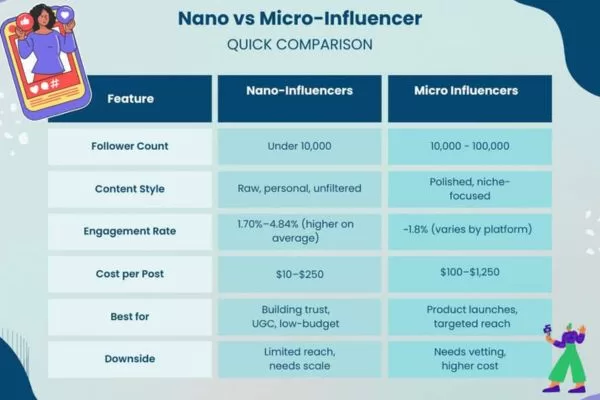
Key differences between nano and micro influencers explained
Why nano vs micro influencers are valuable for brand growth?
Nano vs micro influencers share several advantages when partnering with brands, especially when compared to creators with larger followings.
Authenticity
Smaller creators tend to build closer, more genuine bonds with their communities, making their recommendations feel honest rather than promotional. Because their posts come across as personal and relatable, sponsored content often blends seamlessly into their feed, driving stronger engagement and more meaningful audience reactions.
Engagement
Although nano vs micro influencers have smaller followings compared to other influencer types, their audiences tend to be highly engaged and loyal. Followers often view them as experts in their niche, which makes their recommendations more trustworthy and impactful. This trust gives these creators significant influence over opinions and behavior – one of the main goals brands aim for when collaborating with influencers: leveraging their authentic voices to introduce products and boost brand awareness.
As a result, these influencers often see higher engagement rates. Data from 2024 shows that micro accounts on Instagram can generate interaction levels up to seven times greater than those of mega accounts or celebrities. Nano creators, in particular, average an engagement rate of 4.39%, demonstrating their effectiveness for brand collaborations even with a smaller following.
Credible influence through real followers
An influencer’s trustworthiness largely depends on the quality of their audience, particularly the proportion of genuine followers compared to fake accounts or bots. When looking at nano vs micro influencers, these creators generally have fewer inauthentic followers, resulting in a smaller yet highly engaged community.
By contrast, macro or mega accounts often include a larger share of inactive or fake followers, which can inflate numbers without generating meaningful interaction. This also tends to lower engagement rates, as a portion of their audience rarely engages with their content.
Narrowed audience strategy (Including local reach)
A smaller following often means the audience is highly concentrated within a particular niche, defined by demographics or shared interests. In contrast, macro creators tend to attract followers from a wide range of categories, age groups, and locations.
For instance, a retail clothing brand with a store in a small town could benefit from collaborating with nano vs micro influencers in that area to effectively engage a local community and reach the right customers.
Lower expenses
Nano vs micro influencers are far more budget-friendly compared to macro or mega creators. Generally, the larger the account – meaning the more followers they have – the higher the cost to collaborate.
Because they haven’t yet built massive communities, these creators are often willing to work with brands in exchange for product gifting or affiliate partnerships rather than charging a fixed fee. This makes them an ideal choice for brands with limited influencer marketing budgets.
How much can nano vs micro influencers charge per cost? It varies depending on several factors, including follower count (for example, rates can differ significantly between two micro-influencers with 20K versus 90K followers), engagement levels, niche or industry, and the platform they are most active on, as costs differ across social channels.
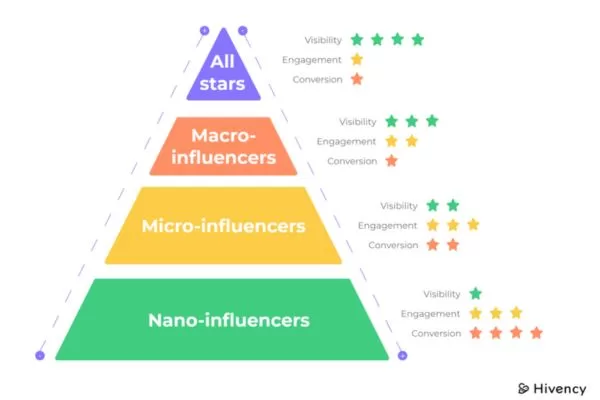
How nano and micro influencers drive meaningful brand growth (Source: Hivency)
Picking the best fit: Nano vs micro influencers
Not every campaign requires wide reach or highly polished creators. The most effective outcomes happen when your goals align with the right tier in the nano vs micro influencers landscape. Understanding when to choose each option helps maximize impact and budget efficiency.
Situations where nano influencers work best
Nano influencers are a strong fit when you want to build credibility, encourage feedback, or generate genuine content. With smaller audiences that respond actively, they shine in grassroots efforts where personal connection is more valuable than large exposure.
Use nano influencers especially when:
- You need to target a local market or tight community.
- You want user-generated content (UGC) to repurpose.
- Your product is new and needs authentic validation.
- Budgets are limited, but you want multiple partnerships.
- You’re running gifting or seeding initiatives.
Their followers view them as everyday peers, making nano creators especially powerful for campaigns centered on relatability and real-life product experience.
Ideal scenarios for working with micro influencers
Within the nano vs micro influencers landscape, micro creators offer a balanced mix of relevance and wider visibility. They’re especially effective when a campaign targets a specific niche but still requires scalable reach across categories like wellness, fashion, parenting, or SaaS.
Collaborate with micro influencers in cases where:
- You need stronger brand awareness within a defined niche.
- You’re promoting a product that benefits from visual storytelling.
- You want polished, campaign-ready content.
- You require creators who can follow structured briefs and deadlines.
- You’re measuring ROI using affiliate programs or promo codes.
Using both nano vs micro influencers together
In a strategy that blends nano vs micro influencers, many brands achieve stronger results by using both tiers together. A hybrid plan might rely on multiple nano creators to spark organic interaction and UGC, while a smaller group of micro creators helps expand niche visibility and deliver polished content.
Leveraging both nano and micro creators lets you:
- Reach more touchpoints across varied audience sizes.
- Merge authenticity with a professional look and feel.
- Compare which tier drives better ROI for your product or industry.
- Build a scalable framework without depending on a single influencer type.
Explore more: The most popular Vietnamese influencers for brands

Selecting the right influencer tier for campaign objectives
Tips for finding high-potential nano vs micro influencers
Finding the right creators matters just as much as choosing the ideal tier, especially when evaluating nano vs micro influencers. Although locating the best-fit partners can take considerable effort, a smart process allows you to build a strong, results-driven creator network. Whether you want a handful of reliable advocates or dozens of content collaborators, having a clear plan supported by the right tools will empower your brand to form impactful, scalable influencer relationships.
Manually exploring potential influencers
You can discover influencers on platforms like Instagram or TikTok by browsing targeted hashtags, niche keywords, or location tags. This approach is ideal when you want to carefully select individuals and personally assess their style, especially while comparing nano vs micro influencers. The drawback is that it demands substantial time and doesn’t scale well, particularly when you need to handle many profiles across multiple areas or run several campaigns at once.
Access Hypefy’s influencer platform
To streamline your search, platforms like Hypefy provide an AI-driven discovery system built for modern brand campaigns. Instead of relying on static databases that quickly become outdated, Hypefy pulls real, active creators directly from Instagram and TikTok and matches them to your campaign requirements. It then matches them to your campaign requirements – whether you’re working with nano vs micro influencers, targeting a specific region, or focusing on a niche audience segment.
Your followers
A great starting point is the audience that already follows your brand on social media. These people already enjoy your products, so it makes sense to turn genuine fans into potential brand advocates. You can reshare their UGC and even reward them with perks like free shipping or discount codes when they feature your brand in their content.
The only challenge is that you’ll need to evaluate these creators yourself. Since you’re managing the vetting process without a filtered database, you must ensure they align with your brand image, whether you’re looking to collaborate with nano vs micro influencers.
Using Afluencer
After comparing nano vs micro influencers, the next step is finding creators who genuinely match your brand. Afluencer simplifies this with a large pool of vetted influencers across different niches and audience sizes. You can filter by follower count, interests, platform, location, and budget while checking metrics like engagement and past collaborations. With Afluencer, influencer marketing becomes a clear, data-driven process that helps you partner with the right creators more efficiently and confidently.
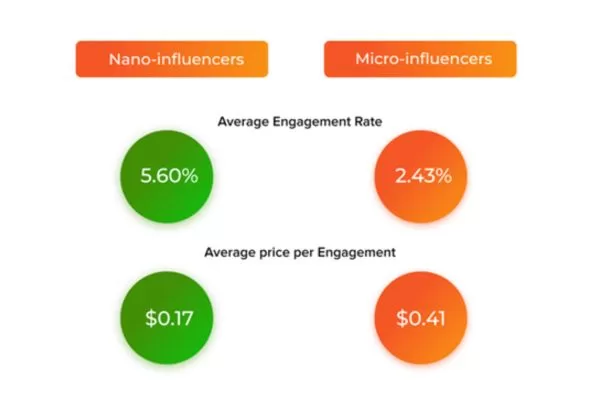
How to identify the best nano and micro creators
Conclusion
Nano vs micro influencers consistently prove that real impact comes from authenticity rather than massive follower counts, especially in product review campaigns. With tight-knit audiences and honest, relatable content, they build trust that big-name creators don’t always deliver. If you want influencer reviews that actually convert, let On Digitals help you tap into the right creators with precision.
More articles:
NEWEST POSTS
- Core Web Vitals Tools: How to Test, Monitor, and Improve Page Performance
- Crawl Budget – 4 Ways To Optimize It For Seo In 2026
- Interaction To Next Paint – How To Optimize UX Effectively
- Crawl Budget Monitoring Tools: How to Track Improve SEO Performance
- Largest Contentful Paint – All Things Every SEO Should Know
Read more