
Insights
Video Campaign Google Ads: A Practical Guide to Strategy, Formats, and Optimization
On Digitals
07/01/2026
47
Video advertising is no longer just for big brands. With billions of users consuming video daily, video campaign Google Ads has become a core digital marketing tool for building awareness, driving consideration, and generating conversions at scale.
By combining visuals, sound, and motion, video campaigns connect with audiences in more emotional and engaging ways than text-based ads, helping businesses of all sizes tell stronger brand stories, reach users where they already spend time, and achieve measurable ROI when executed with the right strategy.
What Are Video Campaigns in the Google Ads Ecosystem?
Before diving into tactics and execution, it’s essential to understand what video campaigns are, why they work, and how they fit into the broader Google Ads landscape. This foundation will help you make smarter strategic decisions and set realistic expectations for your Google video ad campaign efforts.
What Is a Video Campaign?
A video campaign Google ads is a campaign type within Google Ads specifically designed to display video advertisements across YouTube and Google video partner networks. Unlike search campaigns that trigger ads based on keyword queries or display campaigns that show static banners, video campaigns use video content as the creative medium to engage audiences.
Google ads video campaigns operate differently from search ads in several fundamental ways:
- Targeting Intent: Search ads target active intent from people already looking for solutions. In contrast, video campaigns build intent by introducing your brand to audiences during their content consumption journey.
- Creative Medium: Search ads are text-based and keyword-triggered, whereas video campaigns rely on visual storytelling and audience targeting based on demographics, interests, behaviors, and viewing patterns.
- Structure and Metrics: The campaign structure also differs significantly. Every Google video campaign requires video assets hosted on YouTube, utilizes video-specific bidding strategies like cost-per-view (CPV) or cost-per-thousand-impressions (CPM), and measures success through metrics like view rate and watch time rather than just clicks.
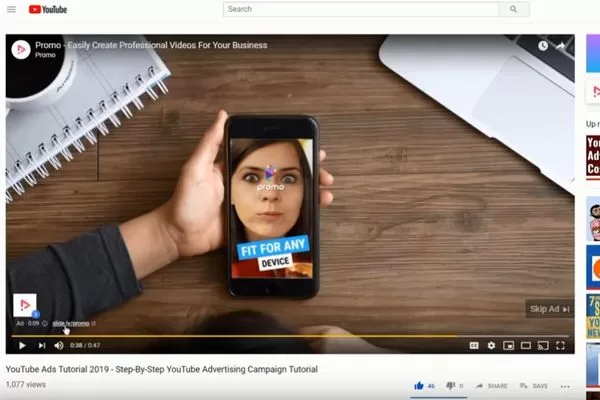
Google video campaigns build intent through video, not keywords
The Power of Video Marketing
Video has emerged as the single most effective format for building emotional connections, establishing trust, and creating lasting brand recall. Research consistently shows that viewers retain 95% of a message when watching video compared to just 10% when reading text. This retention advantage makes a YouTube campaign Google ads particularly valuable for brands looking to make memorable impressions.
The emotional resonance of video comes from its multisensory nature. When you combine visual storytelling with music, voiceover, and motion, you activate multiple areas of the brain simultaneously. This creates stronger neural pathways and deeper memory encoding than static formats. A well-crafted Google ads video campaign type can evoke emotions such as excitement, nostalgia, or inspiration that forge genuine connections between brands and audiences.

Video drives stronger emotion, trust, and brand recall than any other format
Beyond emotion, video builds trust through transparency. Seeing real people or products in action humanizes brands in ways that text cannot replicate. This transparency explains why product demos increase purchase confidence and why customer testimonial videos outperform written reviews. Furthermore, studies indicate that video ads can increase brand awareness by up to 54% and purchase intent by 34% when executed strategically.
Integration with YouTube
YouTube serves as the core distribution and intent platform for your Google video ad campaign efforts. As the world’s second-largest search engine, YouTube provides unprecedented reach and sophisticated targeting capabilities that make video advertising accessible for businesses of all sizes.
The platform’s intent signals are particularly valuable for your strategy:
- High-Intent Moments: When someone searches for a tutorial, they demonstrate clear receptivity to solutions. Google ad campaign YouTube placements can target these moments, positioning your brand as the answer they seek.
- Cross-Platform Synergy: The audience data and remarketing lists you build through a YouTube campaign Google ads can inform and enhance your search, display, and shopping campaigns.
- Algorithm Benefits: When users engage positively with your video ads, YouTube’s system may surface your organic content more frequently. This creates a compounding effect where paid advertising efforts amplify organic reach and build a self-sustaining audience over time.

YouTube powers reach, intent targeting, and cross-channel impact for video campaigns
Choosing the Right Video Format for Your Marketing Goals
Not all Google ads video campaign types are created equal, and selecting the right format for your specific marketing objectives is one of the most important strategic decisions you’ll make. Each format serves different stages of the customer journey and requires distinct approaches to creative, bidding, and optimization.
Awareness Formats: Skippable & Non-Skippable In-Stream
When your primary goal is maximizing reach and building brand visibility at scale, skippable and non-skippable in-stream ads are your go-to Google video campaign formats. These ads appear before, during, or after other YouTube videos, placing your message directly in the content consumption flow when attention is already engaged.
- Skippable in-stream ads: These give viewers the option to skip after 5 seconds. You only pay when someone watches 30 seconds or more (or the full ad if shorter) or engages with your ad. This makes the format cost-efficient for awareness building as you are not charged for uninterested viewers who skip immediately.
- Non-skippable in-stream ads: Typically 15 to 20 seconds in length (depending on regional availability), these ads guarantee complete message delivery. You pay on a Target CPM basis, meaning you are charged for impressions rather than views. This format works best when you have a concise, powerful message that benefits from guaranteed visibility.
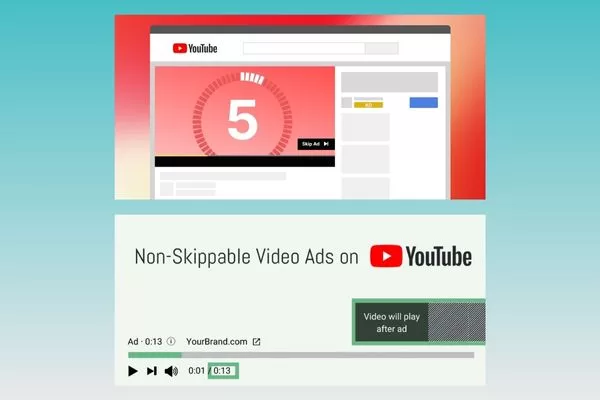
In-stream ads drive large-scale brand awareness
The key to maximizing effectiveness for any Google video campaign in this category is creating video content that grabs attention immediately and leaves viewers with a memorable impression even if they tune out partway through.
Consideration Formats: In-Feed Video Ads
As prospects move from awareness to active consideration, in-feed video ads (formerly known as discovery ads) become increasingly valuable for Google ads video campaigns. These ads appear in YouTube search results, alongside related videos, or on the YouTube mobile homepage, positioning your content exactly where people are actively browsing.
Unlike in-stream ads that interrupt content, in-feed ads invite voluntary engagement. They consist of a thumbnail image and text, and users must click to watch. This opt-in nature means viewers who engage are genuinely interested, resulting in higher-quality interactions.

In-feed video ads capture high-intent viewers during research and consideration
The placement strategy for these Google ads video campaigns makes them particularly effective during the research and evaluation phase. When someone searches for product comparisons or guides, your in-feed ad can position your brand as the helpful resource they are seeking. This format is especially powerful for longer-form content like demonstrations or testimonials that help prospects make informed decisions.
Conversion Formats: Video Action Campaigns (VAC)
When your objective shifts to driving specific actions like purchases or sign-ups, Video Action Campaigns represent the most powerful Google video ad campaign format for performance marketers. Note that Google has recently transitioned Video Action Campaigns into Demand Gen campaigns to provide expanded reach across YouTube, Shorts, Discover, and Gmail. These formats are purpose-built for conversion optimization, combining compelling video creative with prominent calls-to-action (CTAs) and automated bidding strategies.
The defining characteristics of these conversion-focused campaigns make them uniquely suited for lower-funnel objectives:
- Action-Oriented Elements: They feature prominent headline text, clear CTAs that appear throughout the video, and end screens that encourage immediate action.
- Machine Learning: VACs leverage Google’s machine learning capabilities more aggressively than other YouTube campaign Google ads formats. By using Target CPA or Maximize Conversions bidding, the system automatically finds audiences most likely to take your desired action.
- Performance: This Google video ad campaign type works exceptionally well for e-commerce brands or service businesses with clear conversion tracking.
Read more: How to Master YouTube Growth Hacks in 2025?
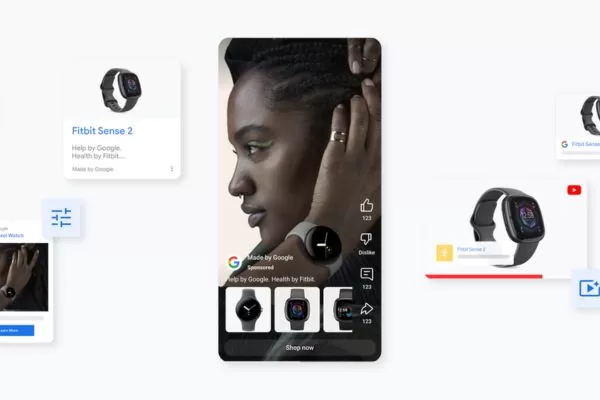
Video action campaigns focus on driving conversions
When executed properly, a YouTube campaign Google ads focused on action can deliver cost-per-acquisition metrics that rival or exceed traditional search campaigns while simultaneously building brand equity.
Key Strategies to Structure a High-Performing Campaign
Creating effective video campaign Google ads requires more than just uploading good creative. The strategic foundation—how you structure campaigns, target audiences, and manage bidding—determines whether your efforts generate impressive metrics or actual business results.
Mastering Audience Targeting
Audience targeting represents the most significant advantage of Google ads video campaigns over traditional broadcast advertising. Instead of buying demographic blocks and hoping for relevance, you can precisely target people based on who they are and how they interact with your brand.
- Demographics: This foundational layer allows you to target based on age, gender, and household income. Getting this right prevents wasted impressions.
- Affinity Audiences: This groups users based on their long-term passions and habits. It works beautifully for Google video campaign awareness objectives because it identifies audiences predisposed to care about your category.
- In-Market Audiences: This is a high-intent option. When someone is actively researching specific products, your Google ads YouTube campaign can reach them during this critical decision-making window.
- Custom Intent and Remarketing: Formerly known as Custom Intent, Custom Segments allow you to build audiences based on specific keywords and search terms used on Google. Remarketing completes the toolkit by re-engaging people who have previously interacted with your website or ads.
Detail more: When to Use Google Ads in 2025 For Beginners?
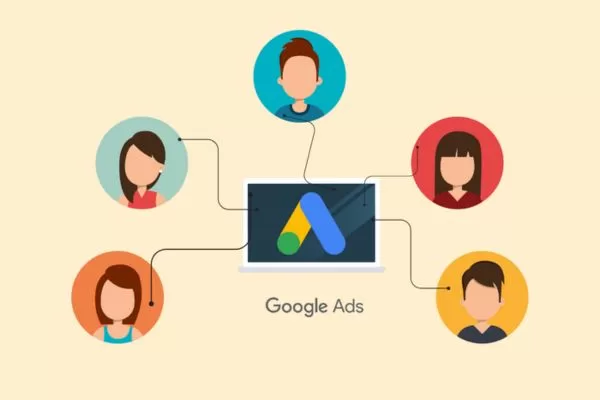
Precise audience targeting is the key strength of Google video campaigns
Bidding Strategies for Success
Choosing the right bidding strategy for your YouTube campaign Google ads directly impacts both performance and budget efficiency. Each model aligns with specific campaign goals:
- Cost-per-view (CPV): You pay when someone watches 30 seconds of your video or engages with it. This gives you control over view costs for awareness and consideration.
- Cost-per-thousand-impressions (CPM): You are charged based on how many times your ad is shown. In video campaigns, this is typically executed as Target CPM (tCPM) or Maximum CPM when the goal is maximum reach.
- Target CPA and Maximize Conversions: These represent the most sophisticated options for a conversion-focused Google video ad campaign. Google uses machine learning to automatically adjust bids to deliver actions at or below your target cost.
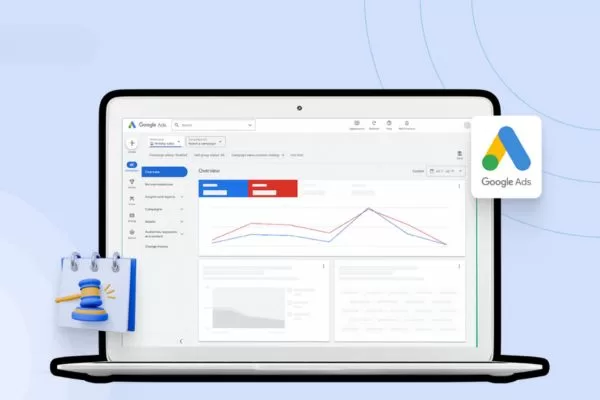
Choosing the right bidding strategy drives video campaign performance
Campaign Hierarchy and Structure
How you organize your Google ads video campaign types dramatically affects both management efficiency and optimization potential. A well-structured hierarchy enables granular analysis and scalable growth.
- Organize by Objective: Start by organizing campaigns around strategic objectives rather than just products. Create separate campaigns for awareness, consideration, and conversion because these goals require different formats and bidding strategies. Mixing these within a single campaign creates optimization conflicts.
- Granular Ad Groups: Within each campaign, structure ad groups around audience segments or targeting themes. For example, a conversion campaign might segment in-market audiences by buyer intent level. This allows you to allocate budget toward top-performing segments and tailor messaging to specific interests.
- Systematic Testing: Creative testing deserves its own structural consideration. Instead of dumping multiple variations into one group, create dedicated frameworks to isolate variables. This disciplined approach transforms your Google ad campaign YouTube efforts from guesswork into a systematic optimization engine.
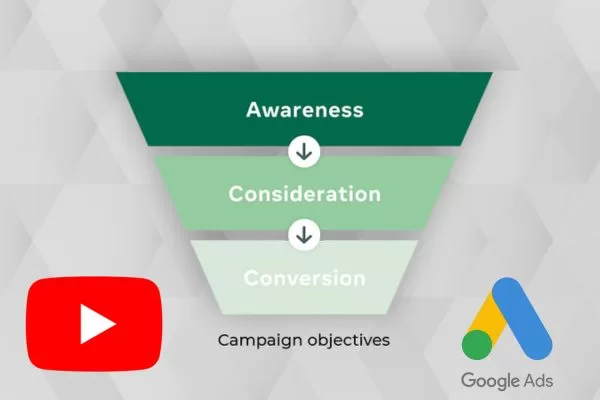
A clear campaign structure enables efficient optimization and growth
Creative Excellence: The “Hook, Body, and Call-to-Action” Framework
Even perfectly structured campaigns with sophisticated targeting fail without compelling creative. Video advertising success ultimately depends on your ability to capture attention, maintain interest, and inspire action within seconds. The Hook, Body, and Call-to-Action framework provides a proven structure for creating video campaign Google ads that actually perform.
The First 5 Seconds: Creating a Strong Hook
The first five seconds of your Google ads video campaigns are make-or-break moments. YouTube viewers can skip after five seconds or scroll past in-feed placements instantly if you do not immediately capture their attention.
Instead of starting with logos or slow fades, begin with something unexpected to jolt viewers out of autopilot. This might be a provocative question or a startling visual. Viewers care about their own problems first. A hook that signals “this is relevant to you” creates instant engagement. You can introduce branding once you have earned their attention.
Static shots allow viewers to tune out easily. Use dynamic camera movement and bold graphics to make your Google video campaign look different from the organic content surrounding it. Testing multiple hook variations should be standard practice. The same body content can perform radically differently when paired with different opening hooks such as problem-focused versus benefit-focused approaches.

The first five seconds determine video ad success
Storytelling for Mobile-First Viewing
Over 70% of YouTube watch time occurs on mobile devices. Mobile-first storytelling requires different approaches to ensure your YouTube campaign Google ads remain effective regardless of the viewing context.
- Format Versatility: Vertical 9:16 and square 1:1 formats are essential, as they occupy more screen real estate on mobile devices compared to horizontal video. This is especially true for YouTube Shorts, which is now a critical placement.
- Legibility: Text and graphic sizing must be dramatically larger. If text is not readable on a smartphone screen, it is too small for a successful Google video ad campaign.
- Sound-On but Accessible: While many social platforms are sound-off, the majority of YouTube viewers watch with sound on. However, you should still use captions and visual demonstrations so your video communicates its core message effectively even for the minority who watch without audio.
- Pacing: Accelerate your pacing and cut unnecessary elements. Every second in a Google video campaign should serve a purpose by either building interest or communicating information.

Mobile-first design is essential for effective YouTube video ads
Designing an Effective Call-to-Action (CTA)
The call-to-action represents the crucial bridge between viewer engagement and business results. A compelling CTA is woven throughout your Google ads YouTube campaign to make the desired action feel natural and urgent. To ensure effectiveness of the CTA, businesses need to ensure their ad copy satisfies the following:
- Clarity and Specificity: Viewers should instantly understand what to do. Specific phrases like “Shop now and save 25%” perform better than vague ones because they are action-oriented.
- Value-Driven CTAs: Frame your CTA around the benefit the viewer receives. People take action when they believe it will solve a problem or provide access to exclusive content.
- Timing and Repetition: Do not wait until the final seconds. Preview the CTA early and reinforce it mid-video. For specific Google ads YouTube campaign types like Video Action or Demand Gen, the CTA overlay appears throughout the duration.
- Urgency: Time-limited offers create legitimate urgency that motivates immediate action. Setting clear expectations, such as “Start your 14-day free trial,” reduces friction and improves performance.

Strong CTAs turn video engagement into action
Optimization and Measuring Campaign Success
Launching your video campaign Google ads is just the beginning. Systematic optimization based on meaningful metrics separates campaigns that consume budget from those that generate profitable returns. Understanding what to measure, how to interpret data, and which optimization levers to pull determines long-term success.
Decoding Key Performance Metrics
Google ads video campaigns generate dozens of metrics, but only a handful truly matter for evaluating performance. Focus your attention on the metrics that directly connect to business outcomes rather than vanity numbers.
- View Rate: This measures the percentage of impressions that result in views. It serves as a proxy for creative quality and audience relevance. High view rates indicate compelling hooks that resonate with targeted audiences.
- Cost-per-view (CPV): This reveals the efficiency of earning viewer attention. Always evaluate CPV in conjunction with downstream metrics like conversion rate, as a low CPV delivering irrelevant traffic is counterproductive.
- Video Watched Metrics: Percentages such as 25%, 50%, 75%, and 100% (also known as video retention) illuminate how well your content maintains interest. Significant drop-offs at specific timestamps reveal exactly where creative improvements are needed.
- Conversions and Earned Actions: Conversions represent the ultimate success metric for a performance-focused YouTube campaign Google ads. Earned actions, such as organic subscriptions, shares, or likes, represent bonus value beyond what you directly pay for.
Identifying Common Video Campaign Mistakes
Many Google video ad campaign efforts generate impressive view counts and engagement metrics yet fail to deliver meaningful business results. Understanding common pitfalls helps you avoid costly mistakes and focus efforts on what actually drives performance:
- Prioritizing Polish Over Clarity: Beautiful cinematography and professional production mean nothing if viewers do not understand your offering or what to do next. A simple video with a clear value proposition often outperforms expensive productions that sacrifice clarity for aesthetic appeal.
- Misaligned Targeting: Even brilliant video content fails when shown to people who do not need or want your product. Systematic audience testing and refinement based on performance data is essential to validate your assumptions.
- Ignoring the Mobile Experience: Videos that require sound to be understood (without captions) or use small text that is unreadable on phones create a performance ceiling. Review every asset for your Google ads video campaign types on an actual smartphone before launching.
- Stagnant Creative Testing: Running the same video creative for months without testing alternatives creates performance stagnation as audience fatigue sets in. Commit to creative testing as a perpetual discipline rather than a one-time exercise.
- Optimizing for the Wrong Metrics: Optimizing exclusively for view rate without considering conversion data can lead your Google video campaign astray, potentially maximizing views from irrelevant audiences while failing to drive commercial results.

Avoid common video ad mistakes that block real business results
Data-Driven Optimization Practices
Sustainable Google video campaign success requires embedding continuous improvement into your operational rhythm. Data-driven optimization transforms static launches into dynamic systems.
- Structured Creative Testing: Test one variable at a time, such as different hooks with identical body content. This allows you to draw clear conclusions about what drives performance differences.
- Multi-Interval Performance Analysis: Weekly reviews identify tactical opportunities while monthly and quarterly reviews inform bigger structural decisions for your YouTube campaign Google ads.
- Audience Segmentation: Compare performance across demographic segments and in-market audiences to identify your highest-value prospects.
- Budget and Competitive Intelligence: Budget optimization should follow performance rather than arbitrary allocations. Furthermore, regular reviews of competitor strategies reveal opportunities to differentiate your Google ads video campaigns and counter competitive threats.
Data-driven optimization fuels long-term video campaign success
Frequently Asked Questions (FAQs) About Video Campaign Google Ads
Here are answers to the most common questions about budgets, creative requirements, and performance measurement in video advertising.
What is the minimum budget needed to run an effective video campaign?
A video campaign Google ads can start with $10–20 per day for basic learning, while higher budgets improve optimization and testing. Awareness campaigns work well with smaller spend, but conversion-focused Google ads YouTube campaign setups need more budget to generate enough data for Google’s machine learning to optimize effectively.
Do I need a high-production video to get started with Google video ads?
High production quality is not a requirement for success in a Google video ad campaign. Clear messaging, relevance, and authenticity consistently matter more than expensive visuals, and simple smartphone videos or screen recordings often outperform polished brand films. What counts is communicating real value, addressing customer needs, and guiding viewers to take action. Start with affordable, fast-to-produce content that delivers genuine value, then invest in higher production only after proven performance.
How can I measure whether viewers actually convert after watching a video?
Google Ads supports multiple conversion tracking methods for YouTube campaign Google ads, including direct, view-through, and engaged-view conversions that capture both immediate and delayed impact. When combined with Google Analytics 4 (GA4), these tools show how video influences user behavior across the full customer journey, not just at the final click.
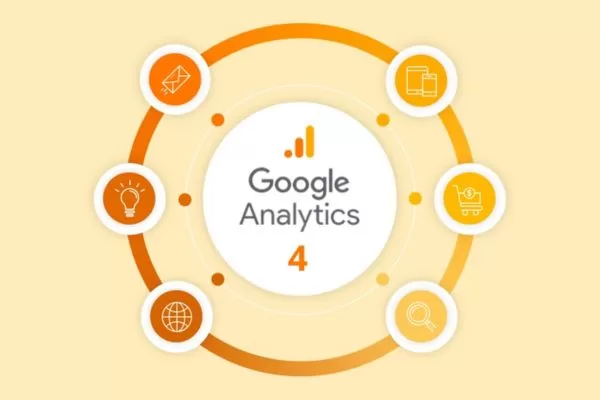
Track conversions beyond clicks to measure true video impact
Conclusion
Video campaign Google Ads is a versatile and high-impact channel that helps businesses build awareness, drive consideration, and generate conversions at scale. However, success with Google ads video campaigns depends on strategy, not luck. Effective advertisers align formats with objectives, structure each Google video campaign for efficient optimization, and use precise targeting with mobile-first creative that captures attention quickly and drives action.
Growth in video advertising is an iterative process. Start your Google ads YouTube campaign with clear goals, controlled budgets, and simple creative, then test, measure, and optimize based on performance data. The strongest Google video ad campaign results come from combining compelling storytelling with disciplined analysis, allowing brands to scale proven strategies while continuously improving results.
Contact On Digitals today for a tailored consultation about our Google Ads services!
You may also like:
Read more